BTC - Bitcoin
 USDTERC20 - USDT ERC20
 ETH - Ethereum
 BNB - Binance
 BCH - Bitcoin Cash
 DOGE - Dogecoin
 TRX - TRON
 USDTTRC20 - USD TRC20
 LTC - LiteCoin

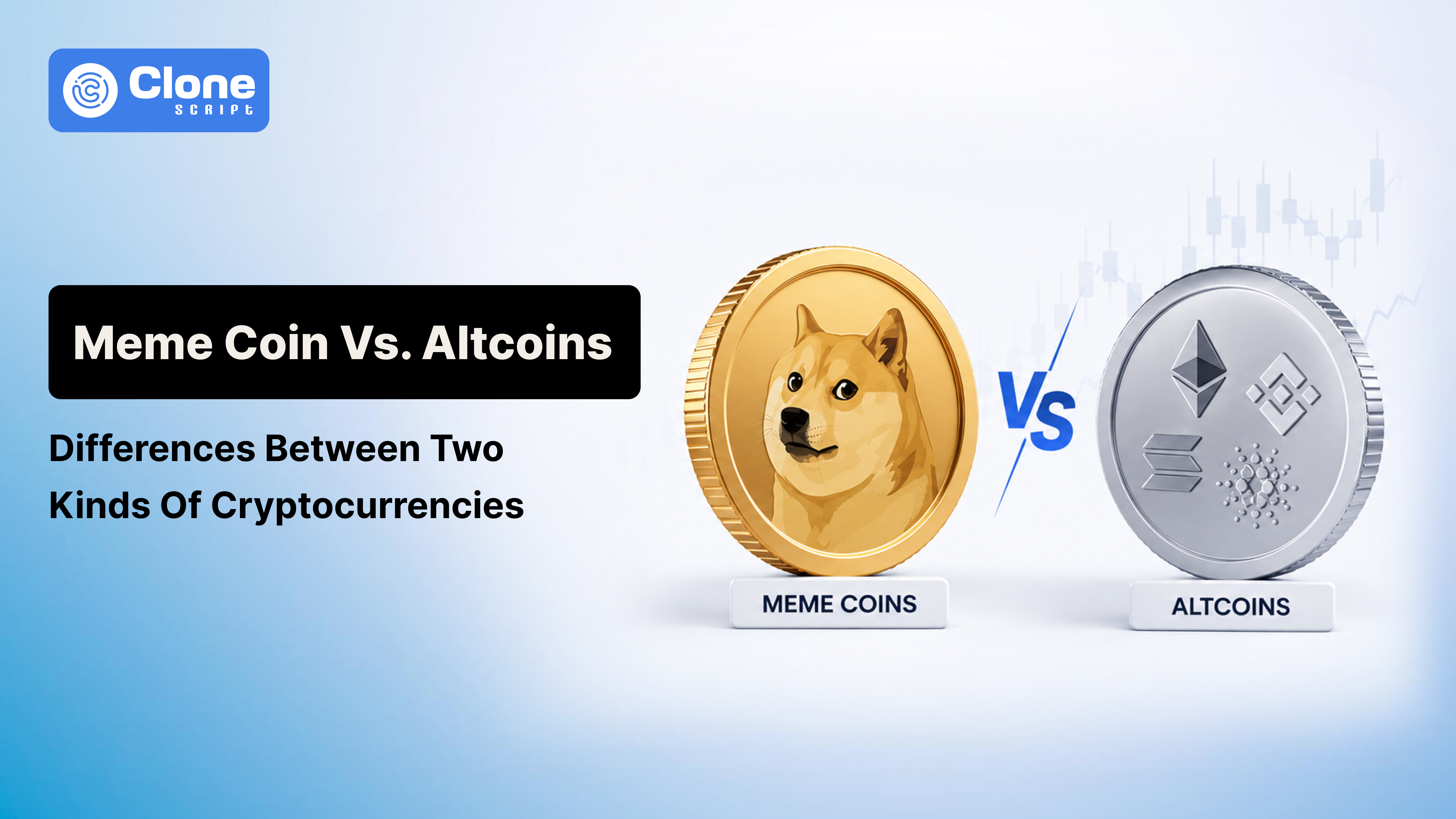
Meme Coins vs. Altcoins: Key Differences in the Cryptocurrency Market
The cryptocurrency market has evolved far beyond Bitcoin. Today, thousands of digital assets compete for investor attention, developer communities, and trading volume. Among them, two categories dominate online discussion and speculative investment: meme coins and altcoins.
At first glance, they may appear similar: both are cryptocurrencies traded on exchanges, capable of generating massive returns, and built on blockchain technology. Yet their foundations, long-term goals, risk structures, and market behavior are fundamentally different.
This distinction matters more than ever.
-
According to a 2025 report from CoinGecko, the meme coin sector alone reached a peak market capitalization of $150.6 billion, driven by tokens such as Dogecoin, Shiba Inu, PEPE, and politically themed assets.
Meanwhile, the broader altcoin market continues to power decentralized finance (DeFi), smart contracts, gaming ecosystems, AI applications, and Web3 infrastructure.
Many new investors confuse meme coins with traditional altcoins because both exist outside Bitcoin. However, buying a meme token is often very different from investing in a utility-driven blockchain ecosystem.
This article examines the fundamental differences between meme coins and altcoins, how they work, why people buy them, and what risks investors should understand before entering either market.
What Is a Meme Coin?
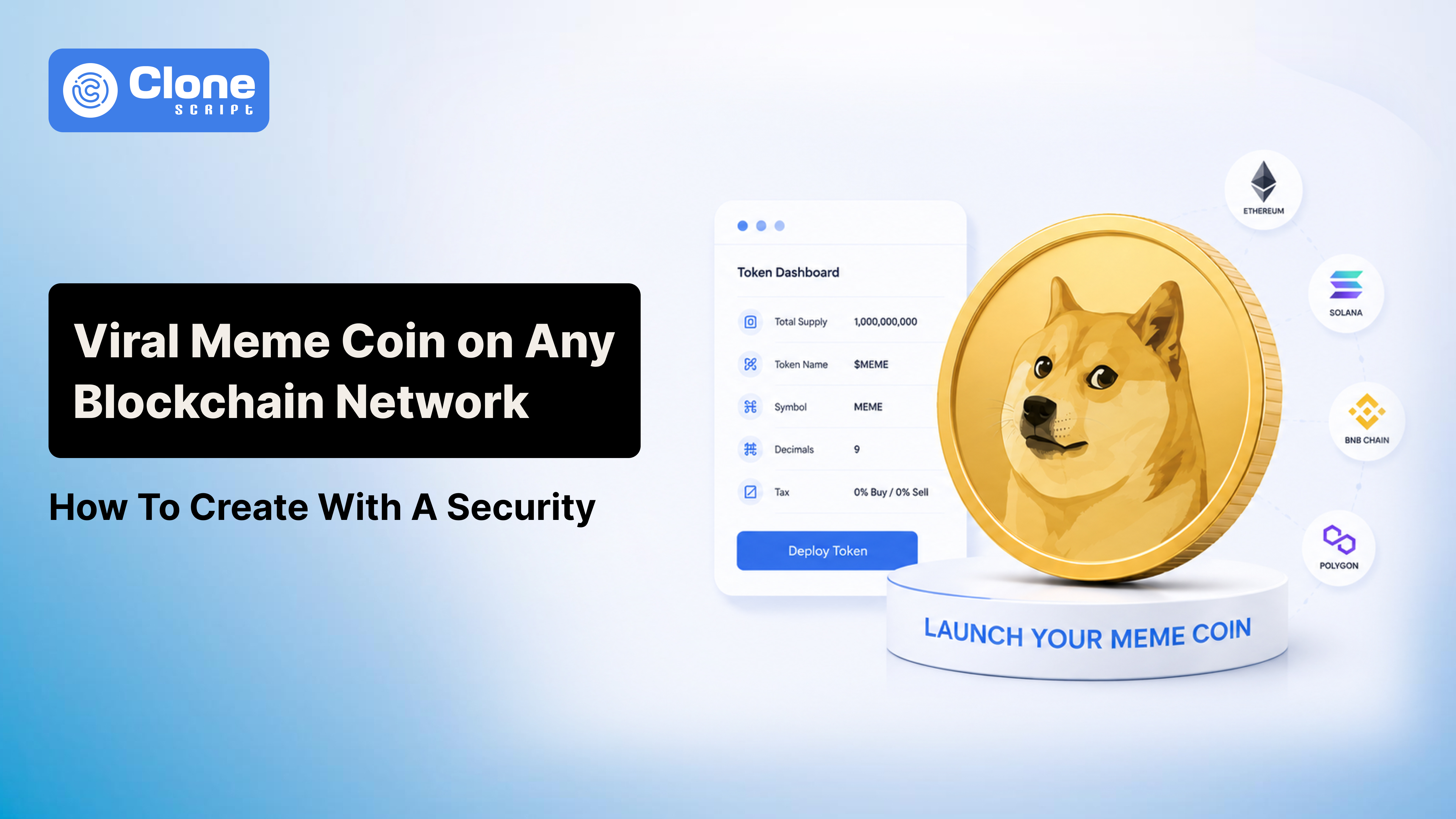
A meme coin is a cryptocurrency primarily driven by internet culture, online communities, humor, viral trends, and social media hype rather than strong technological innovation.
The most famous example is Dogecoin, launched in 2013 as a parody of Bitcoin. Its branding came from the viral Shiba Inu “Doge” meme circulating online at the time. The project was never intended to be a serious financial asset.
Yet meme coins evolved into a major crypto category.
Today, projects like Shiba Inu, Pepe, and BONK collectively generate billions in trading volume. CoinMarketCap data show that Dogecoin alone has maintained a multi-billion-dollar market cap years after launch.
Unlike infrastructure-focused cryptocurrencies, meme coins often depend on:
-
Community enthusiasm
-
Viral social media campaigns
-
Celebrity influence
-
Online speculation
-
FOMO-driven trading
-
Meme culture relevance
Their value is heavily sentiment-based rather than utility-based.
For example, several meme coins experienced explosive price increases after mentions from Elon Musk on social platforms. One 2025 report highlighted meme tokens surging thousands of percentage points after celebrity attention and online hype cycles.
That level of volatility rarely exists in mature financial assets.
What Is an Altcoin?
The term 'altcoin' is short for 'alternative coin,' referring to any cryptocurrency other than Bitcoin. In modern crypto markets, however, the term generally describes blockchain projects with a specific technological purpose, ecosystem utility, or infrastructure goal.
Examples include:
-
Ethereum for smart contracts
-
Solana for high-speed decentralized applications
-
Cardano for scalable proof-of-stake systems
-
Chainlink for decentralized oracle infrastructure
-
Avalanche for enterprise-grade decentralized applications
Unlike meme coins, most altcoins are built around solving technical or financial problems.
Their ecosystems may include:
-
Smart contracts
-
Decentralized finance
-
NFT infrastructure
-
AI integrations
-
Blockchain interoperability
-
Gaming systems
-
Payment rails
-
Data storage
-
Decentralized governance
Academic research analyzing cryptocurrency pricing models found that altcoin valuation often correlates with network activity, ecosystem utility, adoption metrics, and broader market conditions.
That makes altcoins closer to technology investments, while meme coins behave more like social speculation assets.
The Core Difference Between Meme Coin and Altcoin: Utility Vs. Virality
The biggest distinction between meme coins and altcoins is the source of their value.
-
Meme Coins Derive Value From Attention
Meme coin communities increase success to stay active, and hype remains strong.
Their growth often depends on:
-
Twitter/X trends
-
Reddit communities
-
TikTok virality
-
Telegram hype groups
-
Celebrity mentions
-
Exchange listings
-
Speculative momentum
Most meme coins do not solve a major infrastructure problem.
Their strength is cultural momentum.
In many cases, investors buy meme coins not because of utility, but because they believe more traders will enter later and drive prices higher.
This creates highly emotional market cycles.
Research published in 2025 analyzing nearly 35,000 meme tokens across multiple blockchains found that 82.8% of high-return meme coins showed signs of artificial growth manipulation, including wash trading and coordinated liquidity activity.
That statistic highlights how speculative and risky meme coin ecosystems can become.
-
Altcoins Derive Value From Ecosystem Usage
Altcoins typically attempt to build long-term blockchain utility.
For example:
-
Ethereum powers decentralized applications
-
Solana focuses on transaction scalability
-
Chainlink provides oracle services
-
Avalanche supports enterprise blockchain deployment
Their value usually depends on:
-
Developer adoption
-
Transaction volume
-
Ecosystem growth
-
Protocol revenue
-
Real-world integration
-
Institutional participation
While altcoins are still volatile, their long-term viability is often connected to measurable technological progress rather than internet memes.
This distinction significantly affects investor behavior.
Community Culture Is Completely Different in Meme Coins and Altcoins
Meme coin communities behave differently from altcoin communities.
-
Meme Coin Communities
Meme coin holders often operate like internet fandoms.
The culture emphasizes:
-
Humor
-
Memes
-
Viral content
-
Aggressive social promotion
-
“Diamond hands” mentality
-
Community identity
Projects frequently use mascots, inside jokes, meme templates, and internet slang to drive engagement.
For example, Dogecoin built one of the strongest crypto communities through humor and online culture long before institutional investors entered crypto markets.
Many meme coin traders are also short-term participants seeking fast profits rather than long-term blockchain adoption.
-
Altcoin Communities
Altcoin communities are generally more technology-focused.
Discussion often revolves around:
-
Protocol upgrades
-
Governance proposals
-
Developer ecosystems
-
Scalability
-
Tokenomics
-
Enterprise adoption
-
Partnerships
Developers, validators, researchers, and institutional investors are usually more active within established altcoin ecosystems.
That does not mean altcoin communities avoid speculation. They absolutely experience hype cycles. However, discussion typically centers on technical roadmaps alongside price movement.
Meme Coins and Altcoin Token Supply Structures Are Often Opposite
Another major difference involves tokenomics.
-
Meme Coins Usually Have Massive Supply
Many meme coins intentionally create enormous token supplies.
Examples:
-
Shiba Inu launched with quadrillions of tokens
-
Dogecoin has an inflationary model
-
Many new meme tokens generate trillions of units instantly
This creates the psychological illusion of affordability.
Retail investors often prefer buying millions of tokens priced at fractions of a cent instead of owning small portions of expensive cryptocurrencies like Bitcoin or Ethereum.
However, low per-token prices do not necessarily mean better value.
Market capitalization matters far more than unit price.
-
Altcoins Often Use Structured Supply Models
Altcoins usually design token supply around economic incentives.
These systems may include:
-
Staking rewards
-
Governance voting
-
Burn mechanisms
-
Validator incentives
-
Scarcity models
-
Treasury allocation
Ethereum, for example, introduced token-burning mechanisms through EIP-1559 to reduce circulating supply under certain network conditions.
Altcoins generally spend more time engineering sustainable tokenomics because their ecosystems rely on long-term participation.
Development Quality Varies Dramatically in These Two Cryptocurrencies.
The technical difference between meme coins and altcoins is often different.
-
Meme Coins Can Launch Extremely Fast
Modern token launch platforms allow meme coins to be created within minutes.
CoinGecko reported that launchpads such as Pump. fun accelerated meme coin creation across ecosystems like Solana during the 2024–2025 cycle.
This lowered the barrier to entry dramatically.
As a result:
-
Thousands of meme tokens launch daily
-
Many projects disappear within days
-
Rug pulls remain common
-
Anonymous developers dominate the market
A 2026 forensic research dataset analyzing meme coins found that approximately 5.15% stopped trading entirely within 24 hours of launch.
That level of turnover is extremely rare among established altcoins.
-
Altcoins Require More Technical Infrastructure
Serious altcoin ecosystems typically involve:
-
Smart contract auditing
-
Blockchain architecture
-
Consensus mechanisms
-
Validator networks
-
Security engineering
-
Ecosystem development grants
Projects often maintain:
-
Developer documentation
-
GitHub repositories
-
Governance frameworks
-
Long-term upgrade roadmaps
This does not eliminate failure risk. Many altcoins still collapse. However, the development process is generally more sophisticated and resource-intensive than meme token creation.
Volatility and Risk Comparison: Separating Investment and Development.
Both meme coins and altcoins are volatile compared to traditional financial assets.
But meme coins usually operate at an entirely different risk level.
-
Meme Coin Risks
Meme coin prices can:
-
Rise 500% in days
-
Collapse 90% within hours
-
Depend on influencer attention
-
Lose liquidity instantly
-
Experience coordinated pump-and-dump activity
Market manipulation research found widespread artificial trading behavior in meme coin ecosystems, especially among newer tokens.
Because many meme projects lack real infrastructure, there is often no fundamental support when hype disappears.
-
Altcoin Risks
Altcoins face different challenges:
-
Regulatory uncertainty
-
Security vulnerabilities
-
Scaling failures
-
Competition from newer chains
-
Token inflation
-
Ecosystem stagnation
However, projects with active developers and ecosystem usage may survive multiple market cycles even after major crashes.
Ethereum is one of the clearest examples. Despite several severe crypto bear markets, it remained relevant because decentralized applications continued building on its network.
Institutional Interest Is Uneven Between Meme Tokens and Altcoins
Institutional investors generally treat meme coins and altcoins differently.
-
Meme Coins Are Mostly Retail-Driven
Most meme coin trading activity comes from:
-
Retail investors
-
Online communities
-
Social traders
-
Speculators
Institutional exposure remains limited because meme coins are viewed as highly speculative and difficult to value fundamentally.
That said, some established meme assets like Dogecoin have entered mainstream financial discussion due to their size and liquidity.
-
Altcoins Attract Infrastructure Investment
Altcoins with strong ecosystems often receive:
-
Venture capital funding
-
Developer grants
-
Institutional trading activity
-
ETF-related discussion
-
Enterprise partnerships
Institutional investors usually prefer projects with:
-
Clear utility
-
Regulatory clarity
-
Sustainable ecosystems
-
Developer activity
-
Network adoption
This gives mature altcoins more long-term strategic relevance in blockchain infrastructure.
Why Meme Coins Keep Growing Anyway
Despite criticism, meme coins continue attracting billions of dollars.
Why?
Because they simplify crypto participation.
New investors often find technical blockchain projects difficult to understand. Meme coins remove complexity and replace it with entertainment, community identity, and fast-moving speculation.
Meme culture also spreads faster than technical whitepapers.
That creates viral network effects.
CoinGecko data showed meme coin trading volumes jumping more than 767% between 2023 and 2024.
Even after major crashes, meme coins repeatedly return because internet culture constantly generates new narratives.
In many ways, meme coins behave like social media assets attached to financial speculation.
Can a Meme Coin Become an Altcoin?
The line between meme coins and altcoins sometimes becomes blurry.
Some meme projects attempt to evolve into utility ecosystems.
For example:
-
Shiba Inu expanded into DeFi and blockchain infrastructure
-
Dogecoin explored payment-related adoption
-
Some meme ecosystems launch staking, NFTs, or Layer-2 integrations
However, perception matters.
Many investors still classify these assets as meme-driven because their original growth came from internet culture rather than technological innovation.
This hybrid model is becoming more common in crypto markets.
Which Is Better for Investors: Meme Coins or Altcoins?
There is no universal answer.
It depends entirely on:
-
Risk tolerance
-
Investment timeline
-
Research ability
-
Trading strategy
-
Emotional discipline
Meme Coins May Appeal to:
-
High-risk traders
-
Short-term speculators
-
Community-driven investors
-
Momentum traders
Altcoins May Appeal to:
-
Long-term investors
-
Technology-focused participants
-
Web3 believers
-
Infrastructure-oriented portfolios
The critical mistake is treating both categories as identical investments.
They are not.
Buying a meme coin because it is trending on social media is fundamentally different from investing in a blockchain ecosystem with active developers and real infrastructure adoption.
Conclusion
Meme coins and altcoins represent two completely different sides of cryptocurrency culture.
Meme coins thrive on virality, online communities, internet humor, and speculative momentum. Their value often depends on attention rather than utility. This creates massive upside potential alongside extreme risk.
Altcoins, on the other hand, usually focus on blockchain infrastructure, decentralized applications, financial systems, and technological innovation. Their long-term survival depends more on ecosystem adoption and developer activity.
Both categories will likely remain important parts of crypto markets.
Meme coins continue proving that culture can move billions of dollars. Altcoins continue building the infrastructure powering decentralized finance and Web3 ecosystems.
For investors, the key is understanding what kind of asset they are buying before capital enters the market.
Because in crypto, hype and utility are not the same thing.