BTC - Bitcoin
 USDTERC20 - USDT ERC20
 ETH - Ethereum
 BNB - Binance
 BCH - Bitcoin Cash
 DOGE - Dogecoin
 TRX - TRON
 USDTTRC20 - USD TRC20
 LTC - LiteCoin

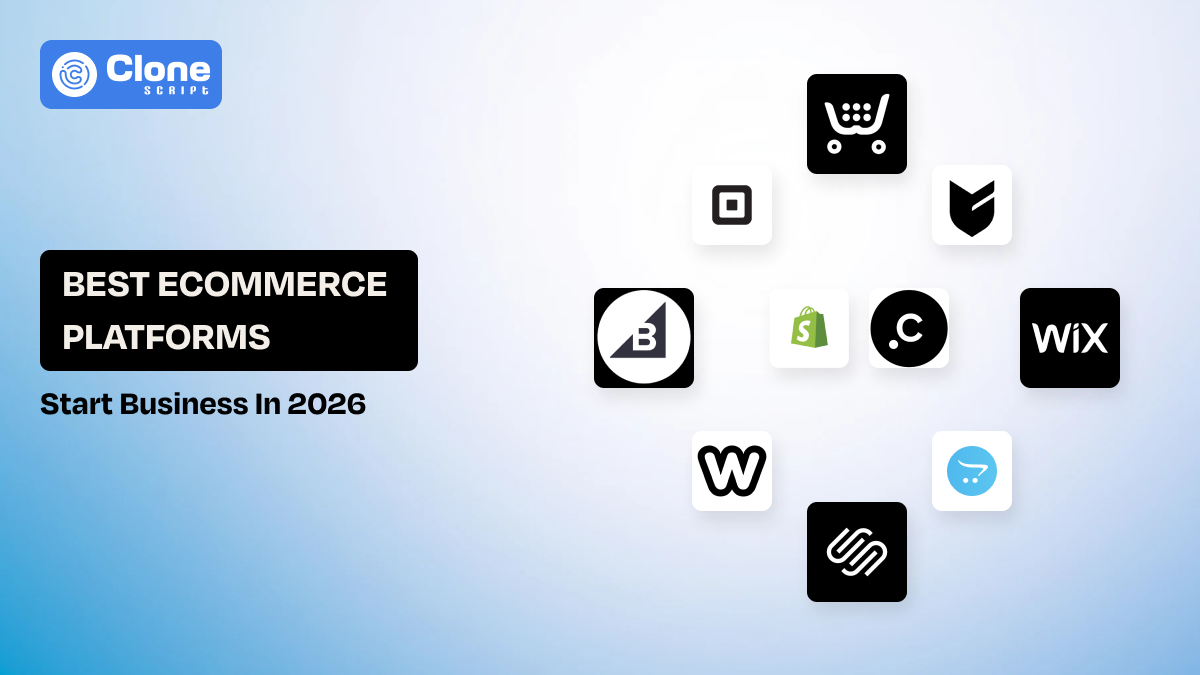
Top 10 Ecommerce Platforms to Start Your Business in 2026
Starting an online business in 2026 feels both exciting and overwhelming. The opportunity is massive: millions of new customers are shopping online every day. But so is the competition. The first and most critical decision every entrepreneur faces is choosing the right e-commerce platform.
The platform you select will influence everything: your store’s speed, customer experience, SEO visibility, payment flexibility, marketing automation, and even how easily you can scale your brand globally.
According to Statista, global e-commerce retail sales are projected to exceed $6.8 trillion in 2026, showing how fast the digital marketplace is expanding.
Whether you are launching your first dropshipping store, building a DTC brand, or expanding an offline business online, selecting the right platform can save months of effort and thousands of dollars.
In this guide, we’ll explore the top 10 e-commerce platforms in 2026, explain why platforms are often better than custom development, and help you choose the perfect solution for your business goals.
Why Are E-commerce Platforms More Reliable Than Custom Development
Many founders initially believe that building a custom e-commerce store gives them more control. While that may be true for large enterprises with huge budgets of around $500k to $1 billion. Most startups and growing businesses benefit more from established platforms.
-
Faster Launch and Market Entry
Time is one of the most valuable resources in business.
Custom e-commerce development can take anywhere from 4 to 12 months, depending on complexity. Platforms like Shopify or Wix allow entrepreneurs to launch fully functional stores in just a few days. This speed matters because early traction helps validate product demand and generate revenue faster.
-
Lower Costs and Predictable Pricing
Custom development requires designers, front-end and back-end developers, hosting infrastructure, QA and testing, security audits, and ongoing maintenance.
E-commerce platforms operate on subscription models, which makes budgeting predictable and significantly reduces upfront investment.
-
Built-in Security and Compliance
Security breaches can destroy customer trust. Established platforms provide:
-
SSL encryption
-
PCI compliance
-
Fraud prevention tools
-
Automatic updates
This removes technical stress and allows entrepreneurs to focus on marketing and growth.
-
Scalability Without Technical Stress
The global e-commerce market is expected to grow at a CAGR of over 10% through 2030, highlighting the need for scalable infrastructure. Platforms handle server scaling, traffic spikes, CDN optimization, and performance tuning, something that is complex and costly in custom solutions.
-
Massive Integration Ecosystem
From email marketing tools and AI chatbots integration to warehouse management systems, digital commerce platforms provide thousands of integrations that accelerate business operations.
Let’s see the e-commerce platforms list.
Top 10 Digital Commerce Platforms to Start Your Online Store
Here is an explanation of the useful platforms for digital commerce.
1. Ecwid

Image Source: Ecwid
Ecwid is a flexible e-commerce platform that helps entrepreneurs quickly add online selling functionality to existing websites, social media channels, or marketplaces. There is no need to rebuild their digital presence or invest heavily in development.
Key Features of Ecwid
-
Easy Website Integration: You can seamlessly connect Ecwid with platforms like WordPress, Wix, or custom websites without complex technical setup.
-
Multi-Channel Selling: The platform allows you to sell products simultaneously on Facebook, Instagram, marketplaces, and your own website from one dashboard.
-
Mobile Store Management: Ecwid’s mobile application enables you to manage inventory, track orders, and respond to customers on the go.
-
Automatic Tax & Shipping Setup: Built-in tax calculation and real-time shipping rates simplify checkout for global customers.
-
Multilingual Storefront: You can translate your store into multiple languages to reach international buyers more effectively.
-
SEO Optimization Tools: The platform provides essential website SEO settings like meta tags, clean URLs, and sitemap generation.
-
Secure Checkout Experience: Multiple payment gateway integrations ensure safe and reliable transactions for customers.
-
Real-Time Inventory Sync: Stock levels are automatically updated across all sales channels to prevent overselling.
-
App Marketplace Access: You can extend functionality using integrations for marketing, analytics, and automation.
-
Order Notifications: Automated email notifications keep customers updated about order confirmations and shipping progress.
Pricing of Ecwid
-
Free plan available
-
Venture – $19/month
-
Business – $39/month
-
Unlimited – $99/month
Ecwid is Best For
-
Small businesses want to test online selling quickly.
-
Social media sellers are monetizing existing audiences.
-
Website owners need simple store functionality.
Cons of Ecwid
-
Design customization is limited compared to full website builders.
-
Advanced automation features are available only in higher plans.
-
The app ecosystem is smaller than that of its larger competitors.
2. Squarespace

Image Source: Squarespace
Squarespace is an all-in-one website and e-commerce platform known for premium design templates and built-in marketing tools. Startups can create visually appealing online stores and strong brand identities.
Key Features of Squarespace
-
Premium Design Templates: You can choose professionally crafted themes that enhance product presentation and improve user experience.
-
Integrated Blogging System: Built-in blogging helps attract organic traffic and build long-term brand authority.
-
Digital & Subscription Selling: The platform supports selling memberships, digital downloads, and recurring subscription products.
-
Advanced Analytics: You can monitor store performance, visitor behavior, and conversion trends from a centralized dashboard.
-
Reliable Hosting & Security: Automatic updates and secure hosting reduce technical maintenance responsibilities.
-
Inventory Management: Squarespace helps track product stock levels and manage catalogs efficiently.
-
Email Marketing Tools: Built-in campaigns allow direct communication with customers for promotions and updates.
-
SEO Settings Control: You can customize page titles, descriptions, and URLs to improve search visibility.
-
Mobile-Responsive Design: All templates automatically adjust for smooth shopping experiences across devices.
-
Product Variant Options: You can manage different sizes, colors, or pricing options within one product listing.
Pricing of Squarespace
-
Basic – $9/month
-
Core – $12/month
-
Advanced – $17/month
Squarespace is Best for
-
Creative brands focusing on visual storytelling.
-
Personal brands sell digital or service-based products.
-
Businesses want an all-in-one website and store solution.
Squarespace Cons
-
Payment gateway options are limited in some regions.
-
Third-party integrations are fewer compared to Shopify.
-
Enterprise-level scalability is somewhat restricted.
3. Shopify

Image Source: Shopify
Shopify is one of the world’s most popular e-commerce ecosystems. This is the best platform for startups to launch scalable online stores, manage operations efficiently, and sell products across websites, marketplaces, social channels, and physical locations. No design or coding experience required.
Key Features of Shopify
-
Extensive App Ecosystem: You can add new functionalities like marketing automation, reviews, subscriptions, and shipping integrations through thousands of available apps.
-
AI Commerce Tools: Shopify provides AI assistance for writing product descriptions, generating marketing content, and improving store performance.
-
Global Selling Capabilities: Multi-currency checkout and localized experiences help you expand into international markets easily.
-
Integrated POS System: You can sync offline and online inventory using Shopify’s retail point-of-sale solution.
-
Abandoned Cart Recovery: Automated reminders encourage customers to complete pending purchases and increase revenue.
-
Dropshipping Integrations: Apps like DSers simplify product sourcing and order fulfillment workflows.
-
Advanced Analytics Dashboard: Detailed reports help analyze sales trends, customer lifetime value, and campaign effectiveness.
-
Fast & Secure Checkout: Optimized checkout experiences reduce bounce rates and improve conversion performance.
-
Shipping Automation: Built-in logistics integrations simplify label printing and order tracking.
-
Marketing Automation: Email campaigns and discount tools help nurture customers and drive repeat purchases.
Pricing of Shopify
-
Basic – $23/month
-
Grow – $80/month
-
Advanced – $325/month
-
Shopify Plus – Custom pricing
All of these prices may be changed accordingly.
Shopify is Best For
-
Startups launching direct-to-consumer brands.
-
Growing businesses planning global expansion.
-
Dropshipping entrepreneurs seeking automation.
Cons of Shopify
-
App subscriptions can significantly increase operational costs.
-
Transaction fees apply when not using Shopify Payments.
-
Back-end customization flexibility is limited compared to open-source platforms.
4. BigCommerce
 Image Source: BigCommerce
BigCommerce is a scalable SaaS e-commerce platform designed for ambitious brands that require advanced SEO capabilities, multi-storefront management, and flexible integrations. The best part of BigCommerce is that it easily handles hosting infrastructure and technical performance optimization.
Key Features of BigCommerce
-
Headless Commerce Flexibility: Developers can create custom front-end experiences while using BigCommerce as an excellent back-end engine.
-
Multi-Storefront Management: You can operate multiple brands or regional stores from one centralized platform.
-
Advanced Built-in SEO Tools: Features like customizable URLs and rich snippets help can help to improve organic rankings.
-
No Transaction Fees: Standard plans do not charge additional platform transaction fees.
-
Robust API Integrations: Seamless connections with ERP, CRM, and third-party front-end API system integration improve operational efficiency.
-
Product Filtering & Search: Enhanced navigation on the store helps customers discover products faster.
-
International Selling Features: Multi-currency checkout and localized catalogs support global expansion.
-
B2B Commerce Support: Wholesale pricing and customer segmentation simplify bulk selling.
-
Detailed Analytics Reporting: Insights into performance help optimize marketing and merchandising strategies.
-
Secure Cloud Hosting: Enterprise-grade infrastructure ensures stability during traffic spikes.
Pricing for BigCommerce
-
Standard – $348/year
-
Plus – $948/year
-
Pro – $3588/year
-
Enterprise – Custom pricing
Best for BigCommerce
-
Mid-size brands scaling operations.
-
Enterprise retailers manage large catalogs.
-
Businesses are expanding internationally.
Cons for BigCommerce
-
The interface may feel complex for beginners initially.
-
Premium themes can increase design investment.
-
Pricing tiers may increase as revenue grows.
5. Square Online

Image Source: Square
Selling products online and offline is never easy to manage. But Square Online does it successfully. This easy-to-use e-commerce platform syncs inventory, payments, and customer data without interruption. Thus, digital commerce adoption is simple for retailers and service providers.
Key Features of Square Online
-
Unified POS Integration: You can automatically sync offline store inventory and online sales using Square’s built-in point-of-sale system.
-
Built-in Payment Processing: The platform includes native payment solutions, eliminating the need for third-party payment gateway setup.
-
Flexible Fulfillment Options: You can offer in-store pickup, local delivery, and shipping from a single order management dashboard.
-
Mobile Store Management: Square’s mobile tools help you manage orders, update inventory, and track performance on the go.
-
Service & Appointment Selling: Businesses can sell services or schedule bookings directly through the online store.
-
Inventory Tracking Tools: Real-time stock monitoring reduces the risk of overselling products.
-
Marketing Campaign Features: Integrated promotions and email marketing tools help improve customer retention.
-
Analytics Dashboard: Performance reports provide insights into sales trends and customer behavior.
-
Social Media Selling: You can promote and sell products through social channels easily.
-
Custom Domain Support: Businesses can build brand credibility using personalized domain names.
Square Online Pricing
-
Free plan available
-
Plus – $49/month
-
Premium – $149/month
Square Online is Best For
-
Local retail stores are moving online.
-
Restaurants and service-based businesses.
-
Businesses need omnichannel selling solutions.
Cons of Square Online
-
Limited design customization compared to website builders.
-
Advanced e-commerce features are fewer than those of enterprise platforms.
-
Transaction fees may impact margins.
6. Wix

Image Source: Wix
Wix is a beginner-friendly website builder with growing e-commerce capabilities that allows entrepreneurs to design customizable online stores quickly using AI tools, drag-and-drop editing, and integrated marketing features.
Key Features of Wix
-
AI Website Builder: Wix can automatically generate store layouts and content suggestions based on business needs.
-
Drag-and-Drop Customization: Entrepreneurs can visually design store pages without coding knowledge.
-
SEO Setup Wizard: Guided SEO tools help optimize product pages and improve search engine visibility.
-
Integrated App Marketplace: Additional features like reviews, subscriptions, and analytics can be added easily.
-
Secure Checkout Experience: Multiple payment integrations ensure safe customer transactions.
-
Inventory Management: Stock tracking tools simplify catalog updates and order fulfillment.
-
Email Marketing Automation: Businesses can run campaigns and newsletters directly from the platform.
-
Social Media Integration: You can connect stores with Instagram and Facebook for better product promotion.
-
Performance Analytics: Data insights help track customer journeys and optimize conversions.
-
Mobile Optimization: Stores are automatically responsive across smartphones and tablets.
Pricing of Wix
-
Light – $17/month
-
Core – $39/month
-
Business – $59/month
-
Business Elite - $139/month
Wix is Best For
-
Beginners launching their first online store.
-
Freelancers and creative entrepreneurs.
-
Small brands need design flexibility.
Cons of Wix
-
Scalability is limited for very large catalogs.
-
Performance may slow with heavy design elements.
-
Platform migration can be challenging later.
7. OpenCart

Image Source: OpenCart
OpenCart is an open-source e-commerce platform that offers full control over customization, hosting, and feature development. This is usually suitable for businesses with technical expertise seeking flexible and cost-effective digital commerce solutions.
Key Features of OpenCart
-
Open-Source Architecture: Businesses can customize every aspect of the store’s functionality and design.
-
Multi-Store Capability: One admin panel allows management of multiple storefronts and brands.
-
Extension Marketplace: Thousands of modules are available for marketing, payments, and shipping integrations.
-
Developer Flexibility: Custom coding enables advanced feature implementation and performance optimization.
-
Multiple Payment Gateways: Support for global payment providers improves checkout convenience.
-
Product Review System: Customer feedback tools help build trust and improve conversion rates.
-
SEO-Friendly URLs: Clean URL structures support better search engine indexing.
-
Admin Dashboard Controls: Order management and reporting tools simplify operational workflows.
-
Theme Customization Options: Businesses can design unique storefront experiences.
-
Self-Hosted Infrastructure: You can choose preferred hosting providers based on performance needs.
Pricing of OpenCart
-
Free platform (self-hosted)
-
Costs apply for hosting, themes, and extensions
OpenCart is Best For
-
Tech-driven startups with developer support.
-
Agencies building custom commerce solutions.
-
Businesses need full customization control.
Cons of OpenCart
-
Requires technical knowledge for setup and maintenance.
-
Security depends on hosting and configuration quality.
-
Updates and bug fixes must be managed manually.
8. Big Cartel

Image Source: Big Cartel
Big Cartel is a simple e-commerce platform built specifically for independent creators and artists who want to sell limited product catalogs through minimalistic storefronts without dealing with complex features or technical setup.
Key Features of Big Cartel
-
Simple Store Dashboard: Entrepreneurs can manage products, orders, and payments from an easy interface.
-
Customizable Themes: Clean website templates help showcase artwork and niche products effectively.
-
Inventory Tracking: Real-time stock updates prevent overselling. This is the prime feature of this platform.
-
Discount & Promotion Tools: Businesses can create limited offers to boost conversions.
-
Sales Statistics: Basic analytics help monitor store performance.
-
Mobile Store Management: Creators can update product listings using smartphones.
-
Product Option Management: Size, color, or pricing variations can be added easily.
-
Custom Domain Integration: This feature improves credibility and customer trust.
-
Basic SEO Settings: Product pages can be optimized for search visibility.
-
Order Tracking Features: Customers receive updates about order progress.
Pricing of Big Cartel
-
Free (up to 5 products)
-
Platinum – $15/month
-
Diamond – $30/month
Big Cartel is Best For
-
Independent artists.
-
Handmade product sellers.
-
Niche small catalog stores.
Cons of Big Cartel
-
Limited scalability for growing brands.
-
Few integrations compared to larger platforms.
-
Basic marketing automation capabilities.
9. Weebly

Image Source: Weebly
Weebly is an intuitive website builder with integrated e-commerce features that help beginners quickly launch online stores. The functionalities include drag-and-drop tools, built-in payments, and responsive themes for simple digital commerce growth, making store launch easier.
Key Features of Weebly
-
Drag-and-Drop Builder: Entrepreneurs can design store layouts without technical knowledge.
-
Integrated Payment Options: Built-in payment tools simplify checkout setup.
-
Inventory Management: Product stock levels can be monitored and updated easily.
-
Mobile-Responsive Themes: Stores automatically adjust for different screen sizes.
-
SEO Configuration Tools: Page optimization settings help improve search rankings.
-
Marketing Features: Email campaigns and coupons support customer engagement.
-
Product Management Tools: Catalog updates and product categorization are straightforward.
-
Analytics Dashboard: Performance reports guide marketing decisions.
-
Shipping Calculator: Automated shipping cost estimation improves transparency.
-
Custom Domain Support: Businesses can build a professional brand identity.
Weebly Pricing
-
Free plan available
-
Personal – $10/month
-
Professional – $12/month
-
Performance – $26/month
Weebly is Best for
-
First-time entrepreneurs.
-
Local small businesses.
-
Side-hustle online sellers.
Weebly Cons
-
Limited advanced customization features.
-
Smaller app ecosystem.
-
Not ideal for large-scale expansion.
10. Centra

Image Source: Centra
Centra is a modern headless commerce platform designed for fast-growing fashion and lifestyle brands that require omnichannel selling, advanced pricing logic, and scalable infrastructure to support international digital commerce expansion.
Centra Key Features
-
Headless Commerce Architecture: Developers can build unique storefront experiences while using Centra as a powerful backend engine.
-
Omnichannel Selling Support: Products can be sold across websites, marketplaces, and retail channels seamlessly.
-
B2B & DTC Functionality: The platform supports both wholesale and direct-to-consumer business models.
-
Advanced Pricing Engine: Businesses can manage region-specific pricing, discounts, and promotions effectively.
-
API-First Integrations: Flexible APIs allow connections with ERP, CRM, and logistics systems.
-
Multi-Market Management: Localization tools support global selling strategies.
-
Inventory Synchronization: Real-time stock updates improve fulfillment efficiency.
-
Checkout Optimization: Fast checkout improves customer experience and conversion rates.
-
Performance Analytics: Data insights help optimize merchandising strategies.
-
Custom Workflow Automation: Businesses can streamline operational processes.
Centra Pricing
-
Custom enterprise pricing (based on business requirements)
Centra Best for
-
Fashion and lifestyle brands.
-
Enterprise retailers are scaling globally.
-
DTC brands with omnichannel strategies.
Cons of Centra
-
No transparent public pricing.
-
Requires technical implementation support.
-
Not suitable for beginners or small catalogs.
Conclusion
With so many useful solutions available, you now have the flexibility to start small, experiment, and scale confidently as demand increases. The key is to focus on platforms that offer strong usability, scalability, SEO capabilities, and reliable integrations for payments, shipping, and marketing. Never ignore the e-commerce website builder disadvantages, as they will affect your business operations.