BTC - Bitcoin
 USDTERC20 - USDT ERC20
 ETH - Ethereum
 BNB - Binance
 BCH - Bitcoin Cash
 DOGE - Dogecoin
 TRX - TRON
 USDTTRC20 - USD TRC20
 LTC - LiteCoin

Why is Modular Web Design Used in Modern Website Development
Web design today is very different from how it was a few years ago. Earlier, designers created one page at a time. Each page was treated as a separate design. If a website had ten pages, it meant ten different layouts. That approach worked when websites were small and rarely changed.
Now, websites are updated constantly. New sections are added, content is moved, layouts are adjusted, and design changes happen more often. Designing every page again and again becomes slow, messy, and difficult to manage.
This is where modular web design becomes important.
In this article, we will understand what it is about, how developers use it, along the potential drawbacks to consider. Also, we discuss how modular web design differs from front-end development and do Figma UI kits are modular.
What Is Modular Web Design?
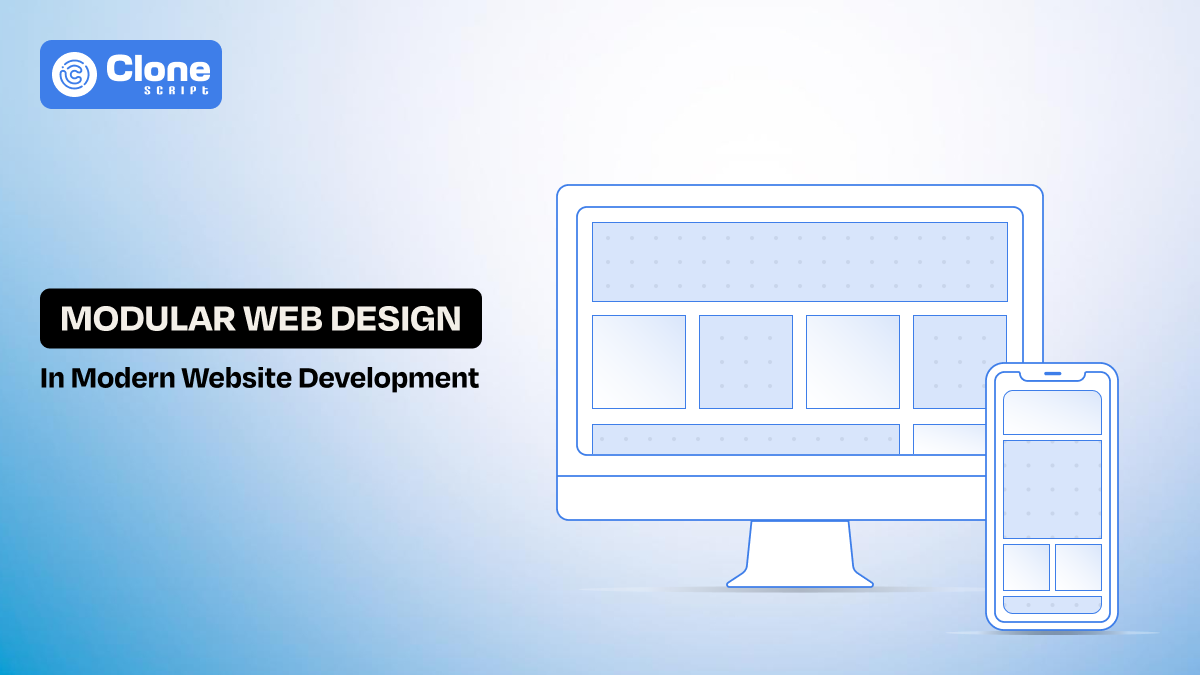
Modular web design is a way of building websites using reusable sections instead of designing full pages every time. Each section, also called a module, is a complete piece of design that can stand on its own.

For example:
-
A hero section
-
A feature list
-
A testimonial block
Once a module is designed, it can be reused on different pages without redesigning it.
Why is it useful?
This saves time and keeps the website consistent.
Designers stop thinking in terms of “one page, one layout” and start thinking in systems.
Modular web design makes websites easier to update, scale, and maintain over time, especially as content and pages grow.
What Does Modular Web Design Contain?
There are multiple theories about what a modular design in a website can contain.
So, basically, a design system contains reusable sections, consistent layout rules, and shared UI elements.
Each module follows the same spacing, typography, and color guidelines, so everything fits together naturally. In addition, buttons, cards, headings, and images behave the same way across the site.
Still, does it support the responsive web design practices?
Yes.
Modules are also designed to work across screen sizes, which means responsiveness is built into the system from the start. Instead of fixing layouts later, designers plan modules to adapt automatically.
When these elements are combined, they form a structured and organized design system, even for small to large complex products. This structure helps designers work faster and prevents visual inconsistencies as the website grows or changes.
Why Are Development Teams Using Modular Web Design?
To reduce repeated work in the traditional approach, improving efficiency and productivity, teams are choosing to go with the modular web design. Developers can turn each module into a reusable code component. This means they don’t need to write the same code again for every page.
This is very useful for an entire development team to maintain consistency across the project.
If a design update is needed, developers only update the module once, and the change appears everywhere it is used. This makes maintenance much easier.
We know in web development, the collaboration between the designer and developer how important. Because they both usually work with the same set of components. Modular web design helps with it.
Overall, it leads to cleaner code, faster delivery, and fewer errors during development.
What Are the Use Cases for Modular Web Design?
There are multiple use cases to implement a modular web design in real-world UI design and UX projects. Here are some of the examples we’re showcasing.
-
Marketing websites have a primary goal to improve conversions. So, they use the design system to create landing pages quickly by reusing existing sections.
-
Business websites rely on modular layouts to keep services, case studies, and company pages consistent; even more pages have to come on.
-
SaaS websites use modular design for feature pages, pricing sections, and dashboards for more interaction with clients.
-
Content-heavy websites like blogs and documentation platforms benefit from reusable content layouts to handle texts, images, or other assets.
Any website that changes often or grows over time benefits from modular web design. It allows teams to add new pages or sections without redesigning everything from scratch, best suited for evolving websites.
How Does Modular Web Design Play a Key Role in Web Development?
Modular web design works closely with modern web development practices. Most front-end frameworks (React) are built around components, which match perfectly with modular design thinking. Each design module becomes a component in code.
With this approach, the development process becomes faster and organized, and even handling the complex design work becomes flexible.
How?
Developers can test components individually, reuse them across pages, and keep the codebase clean. This results in web product performance improvement.
What Are the Potential Drawbacks of Modular Website Design?
Don’t think that implementing the modular design is free from limitations. In reality, it does as follows.
-
If designers rely too much on the same modules, pages may start to look repetitive. This seems to be a website made from static HTML templates.
-
Redesigning the product without planning causes problems later, as the layout seems to be non-branded, or collaboration between teams takes time to complete the web development project.
-
For very small projects, a full modular system may be unnecessary and slow things down.
-
Designers need to find the right balance between reuse and flexibility.
When used thoughtfully, these drawbacks can be minimized, but they are important to consider before starting a modular system.
How Is Modular Web Design Different From Front-End Development?
Modular web design is a branch of UI design, and UX optimization comes under the front-end. So, there’s no difference between them, but they are both related to use in web development.

There’s a debate: does front-end website development differ from modular web design or not? Some of the experts say it’s yes, as the opposing side community neglects the fact.
The reality is that these two aspects are related but not the same.
Modular web design focuses on how the website is structured visually. Designers decide what modules exist, how they look, and how they are reused. It’s all about user interface and user experience management.
Front-end development focuses on turning those designs into working code. Developers handle interactions, performance, accessibility, and browser behavior.
Are Figma UI Kits Modular in Design?
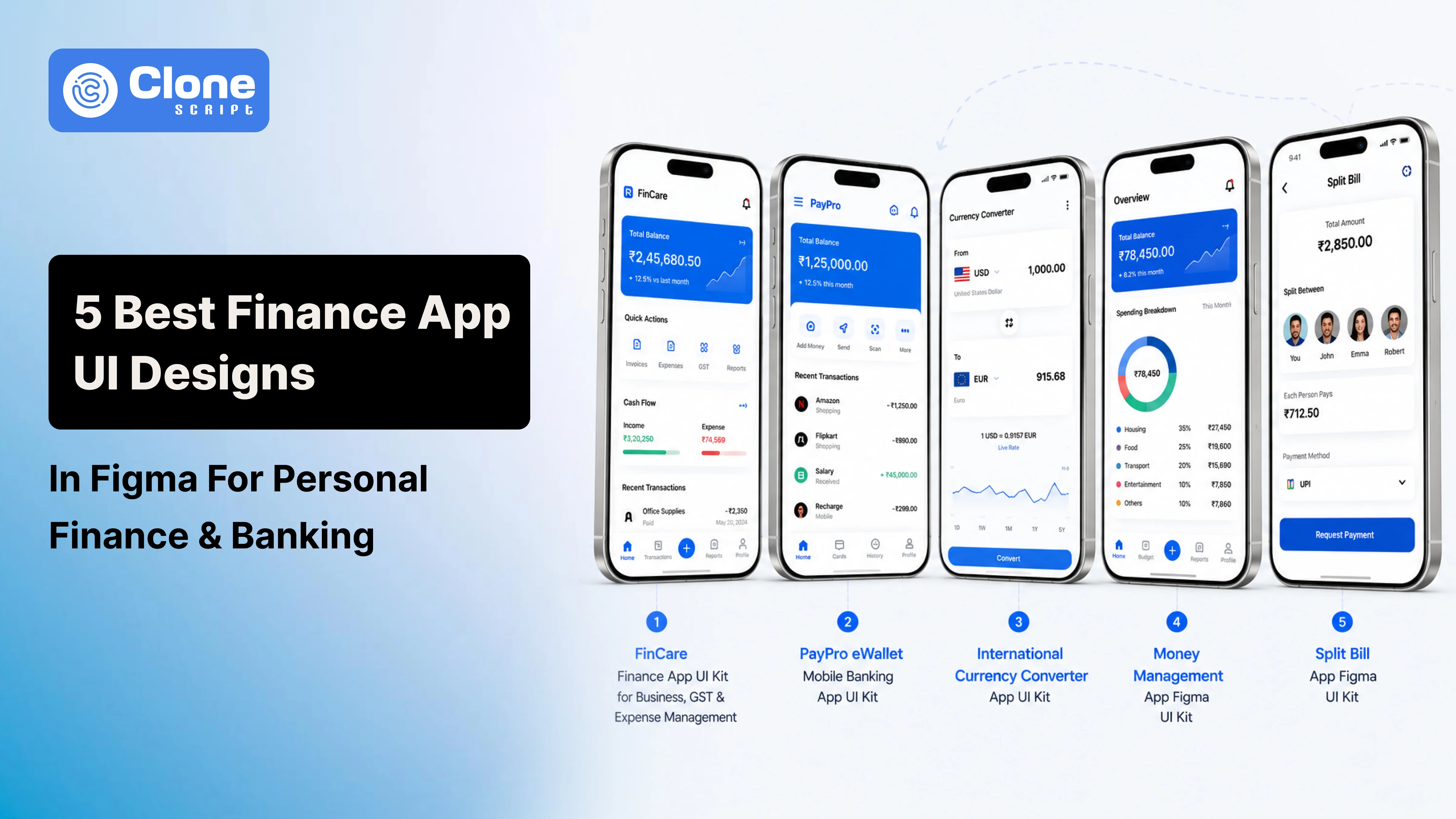
Most modern Figma UI kits are built using modular design principles. Figma encourages designers to use components, variants, and shared styles, which naturally support modular workflows. Buttons, cards, and sections are designed once and reused across files.
A well-made Figma design UI kit allows designers to update components easily and keep designs consistent. However, not every UI kit is truly modular. Some kits look modular but lack proper structure.
True modular design in Figma requires discipline, consistent spacing, and clear rules for using components. When done right, it makes both design and development much easier.
Conclusion
Modular web design is widely used because it helps teams build better websites with less effort. It brings structure, consistency, and flexibility to modern website development. Designers can work faster, developers can reuse code, and websites become easier to maintain. This is why it has become a standard approach in modern web projects.
FAQs
-
Does modular web design only work for large websites?
No. You can use it for small and medium projects like e-commerce stores and a learning management system (local). Usually, modular web design becomes the top choice for larger websites.
-
What is the difference between modular web design and template-based design?
Their priorities set them apart. For reusable sections, modular web design has been introduced, and fixed static page layouts are available in the template-based design. Modules can be rearranged and reused in different combinations without redesigning entire pages.
-
Can modular web design be used with modern frameworks like React or Vue?
Yes, it can. React and Vue frameworks are built around reusable components. From there, even complex front-end development becomes organized and productive.
-
Are design systems and modular web design the same?
Not actually. Modular web design is used to save time, especially with reusable modules. A design system includes broader rules such as branding, typography, and documentation. We can say a modular design is a string of a larger design system umbrella.
-
How do designers create modular web design in Figma?
Web designers create a modular design in Figma by using components, variants, auto layout, and shared styles. Each section is designed as a reusable component that can be updated and reused across multiple pages.