BTC - Bitcoin
 USDTERC20 - USDT ERC20
 ETH - Ethereum
 BNB - Binance
 BCH - Bitcoin Cash
 DOGE - Dogecoin
 TRX - TRON
 USDTTRC20 - USD TRC20
 LTC - LiteCoin

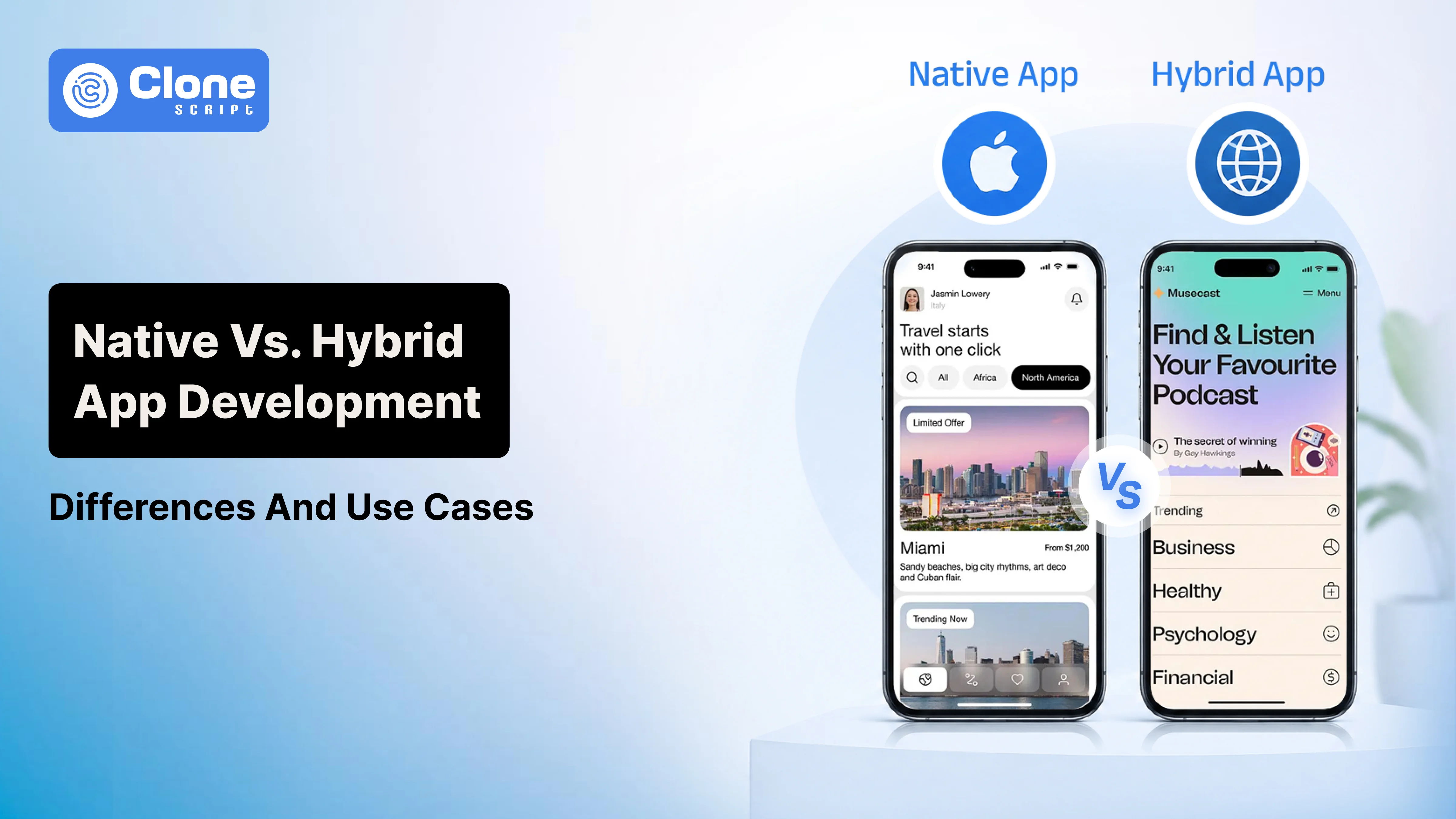
Native Vs. Hybrid App Development: Understand Their Differences and Use Cases
Choosing the right technology for your mobile app is a decision that can shape its success long after launch. One of the biggest questions businesses face is whether to choose native or hybrid app development. The answer isn't always straightforward, as each approach comes with its own advantages, trade-offs, and long-term impact on your product.
Native apps are built specifically for a single platform, delivering excellent performance, seamless device integration, and a polished user experience. Hybrid apps, in contrast, use a shared codebase across platforms, making development faster and more cost-effective.
So, which approach makes the most sense for your project?
This guide breaks down the differences between native and hybrid app development in simple terms. We'll cover their strengths, limitations, ideal use cases, and the factors you should consider before making a decision, helping you choose a solution that aligns with your business goals and future growth.
Why Does Choosing Between Native and Hybrid App Development Matter?
Selecting the right technology for your mobile app impacts more than the development process. It affects performance, scalability, maintenance costs, and the overall user experience. The decision between native and hybrid app development should be based on your business goals, audience expectations, budget, and future growth plans.
-
Balancing Cost and Development Speed.
Budget is a major factor in mobile app projects. Native app development requires separate development for Android and iOS, which can increase costs and timelines. In contrast, hybrid app development uses a shared codebase that can help businesses reduce development efforts and launch faster.
-
Creating the Right User Experience.
Native apps deliver platform-specific performance and smooth interactions. Hybrid apps provide consistent experiences across multiple devices. Both approaches can succeed when chosen for the right use case.
Understanding the difference between native and hybrid apps helps businesses make smarter technology decisions that support long-term growth.
What Is Native App Development?
Native app development refers to creating mobile applications specifically for a single operating system, such as Android or iOS. Developers use platform-specific programming languages and tools to build apps that work seamlessly with the device’s hardware and software environment.
For Android applications, developers typically use Kotlin or Java, while iOS applications are commonly built using Swift or Objective-C. This platform-focused approach allows developers to create highly optimized apps with better speed, reliability, and performance.
Native apps have direct access to device features, including cameras, GPS, sensors, Bluetooth, and advanced security functions. This makes them an ideal choice for businesses that require powerful functionality and a premium user experience.
Although native app development may require more time and investment compared to hybrid solutions, it provides greater control, flexibility, and scalability for complex mobile applications.
How Native Apps Work Behind the Scenes
Native apps are built to work directly with the operating system they support. Unlike hybrid applications that use shared code across platforms, native app development uses platform-specific technologies to deliver better performance, reliability, and control.
-
Platform-Specific Development Approach
Native apps are created using programming languages designed for specific platforms. Android applications commonly use Kotlin or Java, while iOS apps use Swift or Objective-C. This helps developers follow platform guidelines and create optimized experiences.
-
Direct Access to Device Features
Native applications can directly connect with device hardware, including cameras, GPS, sensors, Bluetooth, biometrics, and push notifications. This allows businesses to build feature-rich mobile experiences.
-
Optimized Performance and Scalability
Since native apps communicate directly with the operating system, they deliver faster performance, smoother interactions, and improved responsiveness. They also provide better control over security, architecture, and future updates for complex and scalable application development.
Advantages of Native App Development
Native app development offers businesses a reliable way to build high-performance mobile applications with excellent user experiences. Since native apps are designed specifically for Android or iOS, they provide better optimization, speed, and flexibility compared to many cross-platform solutions.
-
Superior Performance and Speed
Native apps communicate directly with the operating system, resulting in faster loading, smoother animations, and improved responsiveness. This makes them suitable for performance-focused applications like gaming, fintech, healthcare, and enterprise platforms.
-
Better User Experience
Native applications follow platform-specific design guidelines that can help users enjoy familiar navigation, interactions, and consistent performance.
-
Advanced Device Integration
Native apps provide direct access to device features such as cameras, GPS, biometrics, and sensors, enabling businesses to create advanced functionality.
-
Long-Term Scalability
With better control over security, updates, and architecture, native apps support future growth and evolving business requirements effectively.
Limitations of Native App Development
While native app development offers excellent performance and flexibility, it also comes with certain challenges that businesses should consider before choosing this approach. Understanding these limitations helps companies make a more informed technology decision.
-
Higher Development Costs
Native apps require separate development for Android and iOS platforms. This means additional resources, specialized developers, and longer development cycles, which can increase the overall project budget.
-
Longer Development Timeline
Since each platform requires its own codebase, building and testing native applications may take more time compared to hybrid solutions. Businesses looking for rapid market launches may need to consider this factor.
-
More Maintenance Efforts
Maintaining separate Android and iOS applications requires continuous updates, testing, and platform-specific improvements. This can increase long-term management efforts.
Despite these challenges, native mobile applications remain a strong choice for businesses that prioritize performance, security, and advanced functionality over faster and lower-cost development.
What Is Hybrid App Development?
Hybrid app development is an approach that allows businesses to build mobile applications for multiple platforms using a shared codebase. By creating separate apps for Android and iOS, developers can use a single app development process to deliver applications across different operating systems.
-
Cross-Platform Development Approach
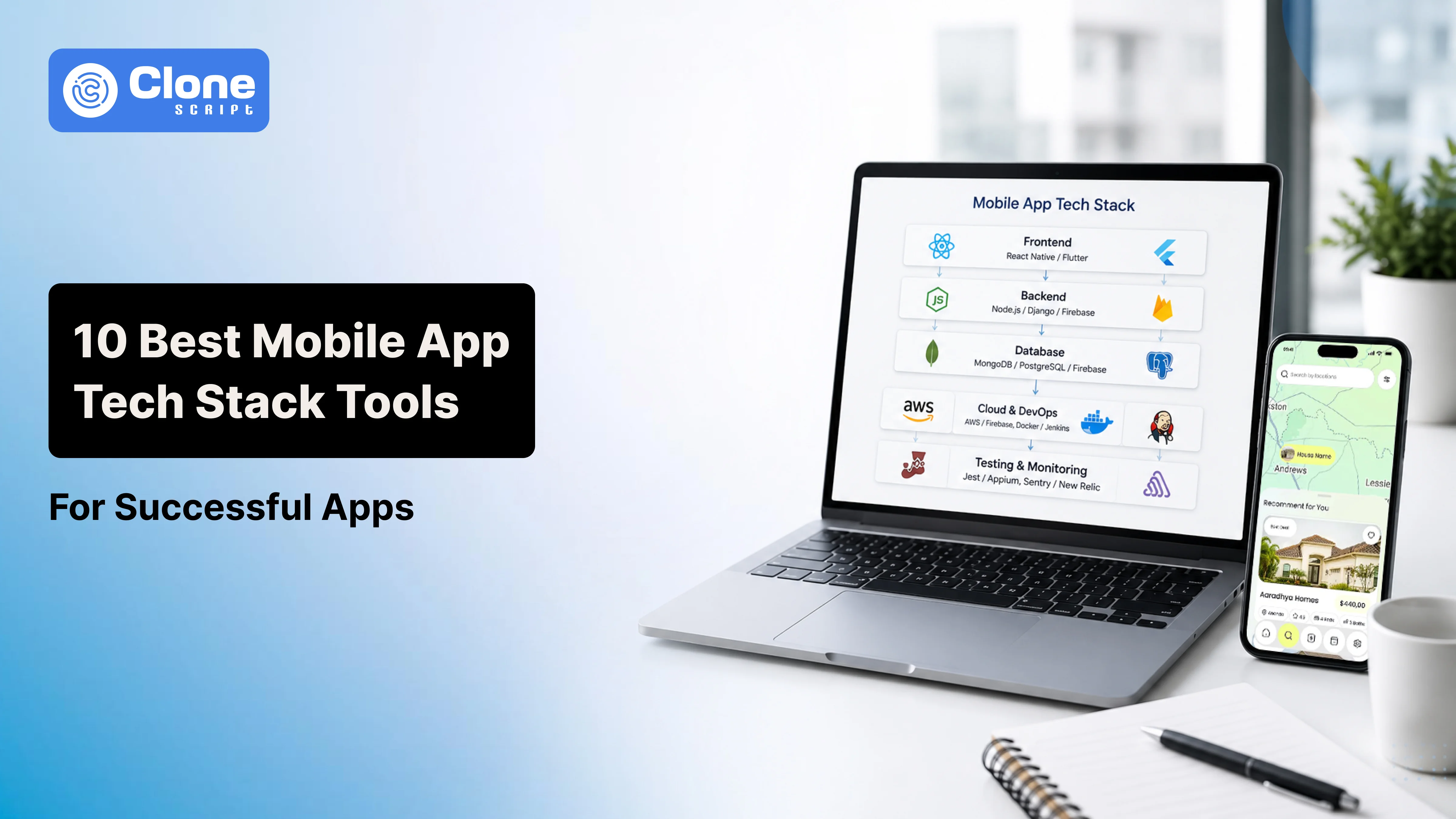
Hybrid apps are created using frameworks such as React Native, Flutter, and Ionic. These technologies allow developers to write reusable code while still providing access to native device features.
-
Faster and Cost-Effective Development
One of the biggest advantages of hybrid app development is reduced development time and cost. Since teams manage a shared codebase, businesses can launch apps faster and simplify future updates.
-
Suitable for Multiple Business Needs
Hybrid applications are a practical choice for startups, enterprises, and businesses that need a strong mobile presence without building separate applications for each platform.
Understanding what hybrid app development is helps businesses choose a flexible solution that balances performance, budget, and speed-to-market.
How Do Hybrid Apps Work Behind the Scenes?
Hybrid apps combine web technologies with native mobile capabilities to create applications that run across multiple platforms. Instead of developing separate Android and iOS apps, developers use a shared codebase that can be adapted for different operating systems.
-
Shared Codebase Development
The core advantage of hybrid app development is code reusability. Developers write a large portion of the application once and deploy it across platforms. This reduces development effort and makes updates easier to manage.
-
Connection Between Web and Native Features
Hybrid frameworks act as a bridge between the application code and device features. They allow developers to access functions like cameras, GPS, notifications, and storage while maintaining cross-platform compatibility.
-
Faster Updates and Maintenance
Because hybrid apps use a unified development approach, businesses can implement changes faster and maintain the application more efficiently. This makes hybrid solutions suitable for companies that need flexibility, quicker launches, and cost-effective mobile development without compromising essential functionality.
Advantages of Hybrid App Development
Hybrid app development has become a popular choice for businesses that want to reach Android and iOS users quickly and manage development resources efficiently. By using a shared codebase, hybrid apps provide a practical balance between speed, cost, and functionality.
-
Faster Development and Launch
Hybrid apps require less development effort because developers can reuse code across multiple platforms. This helps businesses reduce development timelines and launch their applications faster.
-
Cost-Effective Solution
Since businesses do not need separate development teams for Android and iOS, hybrid applications can significantly reduce development and maintenance costs. This makes them a suitable option for startups and growing businesses.
-
Easier Maintenance and Updates
Managing a single codebase makes it easier to fix issues, add features, and release updates across platforms simultaneously.
-
Wider Platform Reach
Hybrid apps allow businesses to target Android and iOS users with a consistent experience. That means businesses can expand their audience while maintaining development efficiency.
Limitations of Hybrid App Development
While hybrid app development offers speed, flexibility, and cost advantages, it may not be the perfect solution for every business. Understanding its limitations helps companies choose the right approach based on their application requirements.
-
Performance Challenges for Complex Apps
Hybrid apps rely on an additional layer between the code and the device operating system. For applications with heavy graphics, advanced animations, or complex processing requirements, this can sometimes affect performance compared to native apps.
-
Limited Access to Advanced Features
Although hybrid frameworks support many device features, some advanced functionalities may require additional native development. This can increase complexity when building highly specialized applications.
-
Dependency on Development Frameworks
Hybrid apps depend on frameworks like React Native, Flutter, or Ionic. Updates, compatibility issues, or framework limitations can impact long-term maintenance.
Despite these challenges, hybrid app development remains an effective choice for businesses that prioritize faster delivery, lower costs, and multi-platform accessibility for their mobile applications.
Common Mistakes Businesses Make When Selecting App Technology
Choosing the right app development approach requires careful planning. Many businesses make technology decisions based only on immediate needs, which can create challenges as the application grows. Understanding common mistakes can help you avoid costly decisions.
-
Choosing Only Based on Cost
Reducing development expenses is important, but selecting a solution only because it is cheaper can affect performance, scalability, and future improvements. Businesses should consider long-term value instead of only initial investment.
-
Ignoring Future Growth
An app should be built with future expansion in mind. Limited scalability, difficult integrations, or outdated technology can slow down business growth.
-
Focusing Only on Launch Speed
A quick launch is valuable, but speed should not compromise quality, security, or user experience. The chosen technology should support both immediate goals and future requirements.
-
Not Consulting Experienced Developers
Without expert guidance, businesses may select the wrong approach for their needs. Partnering with an experienced mobile app development company helps identify the right strategy and build a solution designed for success.
How Our App Development Agency Helps You Choose the Right Approach
Selecting between native and hybrid app development requires more than understanding technical differences. Businesses need a development partner who can evaluate their goals, user expectations, and long-term requirements before recommending the right solution.
-
Business-Focused Technology Strategy
Our team starts by understanding your product vision, target audience, and business objectives. We analyze your requirements and suggest whether native app development or hybrid app development will deliver the best results.
-
End-to-End App Development Support
From planning and UI/UX design to development, testing, deployment, and maintenance, we provide complete mobile app development services. Our developers create secure, scalable, and high-performing applications tailored to your business needs.
-
Building Apps Ready for Future Growth
We focus on creating solutions that can adapt as your business evolves. Whether you need a feature-rich native application or a cost-effective hybrid solution, our expertise helps you build an app that delivers long-term value.
Partner with our experienced team to transform your mobile app idea into a reliable digital product built for success.