BTC - Bitcoin
 USDTERC20 - USDT ERC20
 ETH - Ethereum
 BNB - Binance
 BCH - Bitcoin Cash
 DOGE - Dogecoin
 TRX - TRON
 USDTTRC20 - USD TRC20
 LTC - LiteCoin

Shopify vs Webflow Templates: Which Is Best for Your Business Website in 2026?
Most businesses regret the platform that they locked themselves to; they rarely regret the template they chose.
In 2026, that mistake is expensive. A template selected from Shopify, but designed to limit, will keep your site from achieving SEO for years. A template selected from Webflow based on beauty will limit your ability to sell products through e-commerce when the volume of products begins to rise.
The problem is not whether Shopify or Webflow is “good”; the two platforms are designed to optimize very different types of future success by providing templates that define limitations on what your business will be capable of achieving.
By considering Shopify templates versus Webflow templates, you have reached a point of consideration in 2026.
What to Expect from Shopify Template Design in 2026
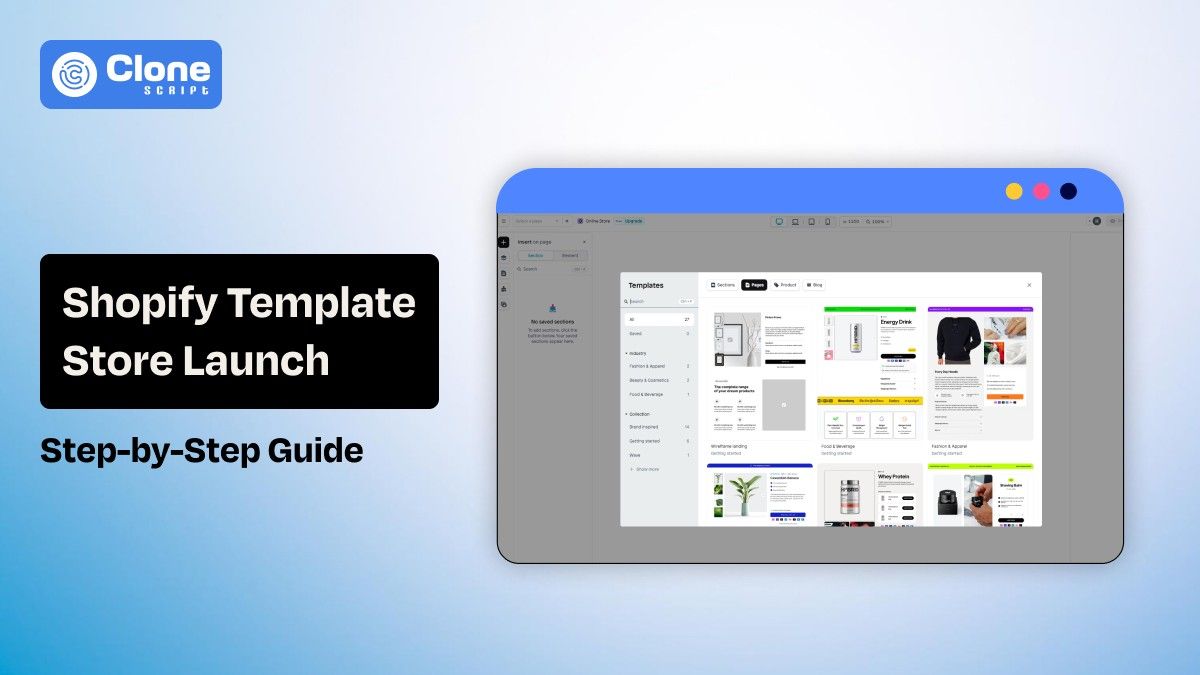
What Shopify templates are built for? Make an online store.
Shopify themes (known as templates) are turnkey solutions specifically designed to create an e-commerce store website. It comes with a visually appealing environment to display products in an efficient and scalable manner for completing the transaction.
Starting in 2026, Shopify themes will continue to contain only visually appealing elements but will include an optimized checkout process, a mobile-first design, adherence to accessibility standards, and seamless integration with the Shopify app ecosystem.
Each Shopify theme assumes that the primary function of your Shopify store is to reliably process transactions and convert visitors to customers.
Core strengths of Shopify Templates: Every need fulfilled.
Shopify themes come with built-in e-commerce infrastructure: products, inventory, payment, taxes, and security, ready to go. In addition to the e-commerce infrastructure, Shopify themes also provide some other key features.
For example, the e-commerce website design layouts are optimized for conversions, offering best-in-class checkout experiences to support the large volume of products. This also supports the updates provided by the platform owner.
Where are Shopify templates limited?
-
Design freedom and creating complex content workflows are both limited if you do not have access to custom Liquid programming.
-
While Shopify themes offer the opportunity to sell, they do not provide the opportunity to build an extensive story or create a complex content ecosystem.
Webflow Templates are designed for content-based sites.
What Webflow templates are built for?
Webflow templates are specific frameworks in a visual editing interface, helpful in front-end website development. It is combined with an advanced Content Management System (CMS).
Unlike Shopify, Webflow doesn't base its design around E-Commerce as a Default goal. These templates have been specifically designed to help brands tell their story, structure their content, and drive marketing-led (business) growth.
By 2026, Webflow will have become a desired platform for SaaS companies, agencies, and brands that are content-driven and that need complete control over the design layout, interactions, and SEO structures of web pages.
Core strengths of Webflow templates
Some of the features of Webflow Templst are:
-
Pixel-perfect design control at the pixel level
-
Large collections in the CMS for scalable content
-
Semantically clean HTML for better SEO and accessibility
-
No need for additional animation plugins
Therefore, Webflow templates are perfect for any inbound or brand-specific strategies.
Webflow E-commerce: limited but functional
Webflow e-commerce is capable of supporting small catalogs of products where there is an ample amount of content to support each product, unlike larger catalogs that require a large amount of revenue-focused commerce.
Shopify vs Webflow Templates: Core Philosophical Difference
The main difference between Shopify and Webflow templates is about the intent of each platform, not about features (which also contribute to creating an overall experience for the user).
We can summarize both templates as follows: With respect to Shopify, the template assumes "transactions are the business," while with respect to Webflow, the template assumes "content or brand is the business".
This fundamental difference will influence how the technical and design decisions are made by each platform. Therefore, understanding this philosophical difference is much more important than focusing on individual features.
Feature-by-Feature Comparison for Shopify and Webflow Templates
-
Ease of Setup and Time to Launch
Shopify templates are optimized to be quick. A person can have a whole online store set up in about 2-3 days. Everything from uploading products, setting up payments, and establishing shipping rules is guided through an easy-to-follow structure.
Webflow templates take more effort to set up initially. The visual editor is easy to use, but a user must understand how to build HTML layouts, CMS relationships, and responsive design. The effort pays off in the end, but there is a real learning curve.
-
Winner for speed: Shopify
-
Winner for control: Webflow
-
Design Flexibility and Customization
Webflow templates have nearly limitless design flexibility. You can visually modify every section, such as the hero section of the website, the breakpoint, and interaction, without affecting the underlying structure of your site. Therefore, Webflow is perfect for businesses that require a unique digital presence.
Shopify templates emphasize solidity and uniformity. There are some options to customize, but most customization requirements are found using premade sections or writing Liquid code.
-
Winner for creative control: Webflow
-
Winner for stability: Shopify
-
E-commerce Capabilities and Scalability
Shopify templates are designed to accommodate a large number of products, numerous payment methods, shipping to other countries, and compliance with International tax laws. Thus, Shopify will be compliant for a long time after they finally put in some "custom engineering" work on the platform. Also, in 2026, it is expected that Shopify will remain one of the most sophisticated networks supporting both basic and high-tech "e-commerce" solutions on the planet.
On the other hand, the range of e-commerce options in Webflow's e-commerce website templates is rather limited, which means you may need to use another source of support (e.g., third-party tools) to accomplish your goal, or you're going to have to change platforms.
Shopify is the clear winner here.
-
CMS and Content Management
One of Webflow's biggest differentiators is its best-in-class CMS. Webflow's CMS allows teams to create and design what they call "Structured Content Items” so they can develop and maintain their "Design Consistency" as they expand.
Shopify's CMS works, but it also has limitations, meaning its design elements will be easier to manage.
Webflow is the clear winner here.
-
SEO Capabilities in 2026
Both of these platforms have SEO capabilities, but each platform has taken a different approach to provide those capabilities.
Shopify has developed a robust platform as part of its products, which has automated key features to create a solid foundation for SEO. This includes:
-
Automated URL handling
-
Sitemap generation
-
Structured data
But they have not provided a great deal of flexibility regarding how you are able to create a template’s markup or how you will create and organize the content hierarchy.
Ultimately, the Webflow templates will provide you with more website on-page SEO control. It helps in HTML, heading structures, and schema custom implementation, which makes the loading speed fast.
-
Performance and Core Web Vitals
In 2026, website speed performance is needed. It will not only affect SEO and rank but also impact conversion rates.
Shopify's performance largely depends on the theme itself and the number of applications used. An excessive number of apps can reduce speed, even when using optimal themes.
Webflow's templates typically offer a leaner codebase. However, poor optimization of heavy animations will negatively impact performance.
Webflow has a performance advantage over Shopify when designs are disciplined.
Pricing and Total Cost of Ownership for Shopify and Webflow
-
Template Costs
Shopify offers both free and paid themes through its official theme store. Free themes such as Dawn are available, while premium themes typically cost $180 to $380 as a one-time purchase. Third-party Shopify themes from marketplaces like ThemeForest may range from $60 to $200.
Webflow templates are sold as a one-time purchase, usually priced between $49 and $129 in the official template marketplace. Some complex e-commerce templates may cost up to $149.
-
Platform Costs
Shopify platform pricing is based on a subscription model. The most common plans include:
| Plan | Monthly Cost |
|---|---|
| Basic Shopify | $39/month |
| Shopify | $105/month |
| Advanced Shopify | $399/month |
Many Shopify apps charge $5–$50 per month, while advanced tools like subscriptions, upselling, or analytics can cost $100+ per month.
Webflow platform pricing separates site hosting, CMS, and e-commerce features into different plans.
| Plan | Monthly Cost |
|---|---|
| Basic site hosting | $14/month |
| CMS plan | $23/month |
| Business plan | $39/month |
For e-commerce websites:
| Plan | Monthly Cost |
|---|---|
| Standard E-commerce | $29/month |
| Plus E-commerce | $74/month |
| Advanced E-commerce | $212/month |
These plans include hosting and CMS features, making the overall pricing structure more predictable for content-heavy or design-focused websites.
-
Long-Term Cost Consideration
The true cost of choosing a template is not only the purchase price but also the potential cost of migrating platforms later. Moving an e-commerce store from one platform to another can cost $2,000 to $10,000 or more, depending on the complexity of product data, integrations, and design migration.
Shopify and Webflow: Best Platform to Choose by Business Type
-
Shopify is Best for:
-
E-commerce-focused businesses
-
Direct-to-Consumer (DTC) brands have increased the number of products they sell.
-
Businesses that want to focus primarily on optimising their checkout process.
-
Design teams that do not have the budget for design resources, but still want their store.
-
Webflow is Best for:
-
SaaS companies.
-
Agencies and Consultants.
-
Businesses use content as the main driver for their sales and position within the market.
-
Companies that use storytelling and brand differentiation to generate sales.
Common Mistakes Businesses Make When Selecting Shopify and Webflow Templates
The top two mistakes that companies make are:
-
Choosing a template for a business based solely on appearance. Like, a beautiful-looking Webflow site may fail if your business relies on e-commerce sales. A well-designed Shopify store may not develop at all, due to an absence of original content.
-
Another mistake is based on failure to consider future needs. For example, a template that works great today may present challenges months from now when you decide you need to expand your business.
A Decision Framework for 2026: How to Choose a Template
Ask yourself these questions when buying website templates:
-
Does e-commerce drive the majority of my revenue?
-
Is content marketing a vital part of our growth strategy?
-
Do I plan on iterations that are short-term or long-term?
-
Am I looking to optimize for scale or differentiation?
You'll likely arrive at one clear answer based on your responses to these questions.
Conclusion
Overall, there isn't a global comparison between Shopify and Webflow. However, if your business model revolves around selling physical goods on a large scale, then Shopify is a better option. Conversely, for those businesses whose business model is primarily based on providing information (content), the best place for growth and development through brand awareness would be Webflow.
The right decision will be based on the correlation between your current revenue generation method and future expected growth trajectory with respective template platforms.