BTC - Bitcoin
 USDTERC20 - USDT ERC20
 ETH - Ethereum
 BNB - Binance
 BCH - Bitcoin Cash
 DOGE - Dogecoin
 TRX - TRON
 USDTTRC20 - USD TRC20
 LTC - LiteCoin

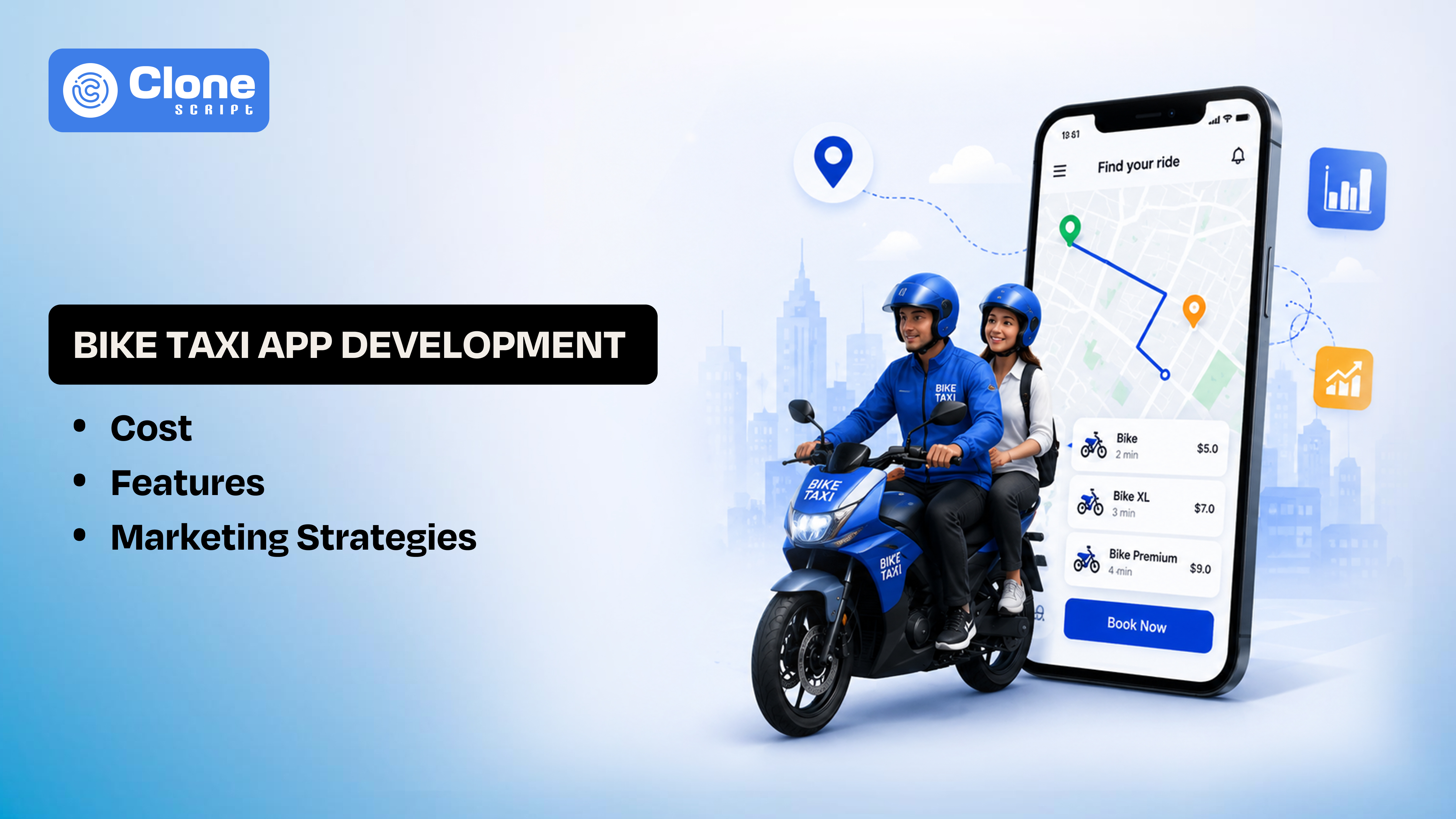
Bike Taxi App Development: Cost, Features, and Marketing Strategies
Urban commuting is changing, and two-wheelers are leading that shift.
In markets like India, bike taxis have moved from a niche option to a mainstream choice for daily travel. See the data:
-
Recent reports show platforms like Rapido capturing nearly 50% of ride-hailing demand in certain regions, largely driven by affordability and speed in traffic-heavy cities.
-
At the same time, India’s ride-hailing market is projected to grow from $2 billion to over $11 billion by 2033, signaling long-term expansion.
This pattern repeats globally.
-
In Vietnam, where motorcycles dominate urban transport, bike-based ride-hailing accounts for a majority share of trips, with the market growing at ~19% CAGR.
-
Southeast Asia overall is expected to reach $40+ billion in ride-hailing value, while cities like Singapore continue to adopt app-based mobility for convenience and efficiency.
For entrepreneurs, the signal is clear: demand already exists, and entry barriers are lower than ever. You don’t need a massive budget or complex infrastructure to get started, just the right approach.
In this blog, you’ll learn how to build a bike taxi app, control development costs, choose the right features, and market your platform effectively from day one.
First, Understand the Bike Taxi Business Model.
At its core, a bike taxi platform operates on an aggregator model. Here, you don’t own vehicles; you connect demand with supply. Riders use your app to book a trip, nearby drivers accept the request, and your platform manages the transaction, tracking, and payment flow.
How It Works in Practice
-
A user enters the pickup and drop-off location
-
The system matches them with the nearest available driver
-
The ride is completed, and payment is processed through the app
-
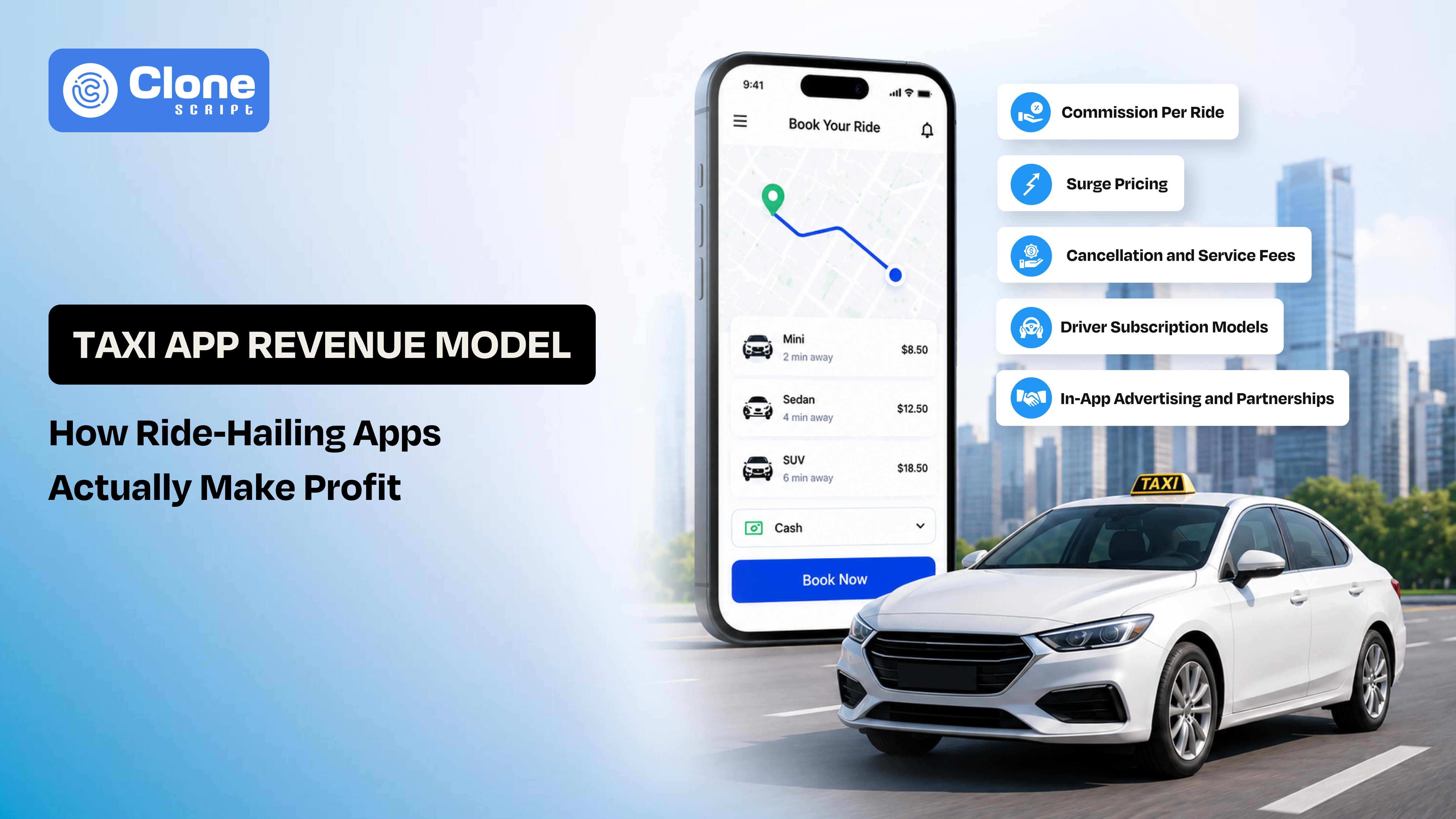
You earn a commission per ride
This model keeps operational overhead low while allowing rapid scalability.
Key Participants in the Ecosystem
1. Riders (Customers): They expect fast pickups, affordable fares, and a reliable experience, especially during peak traffic hours.
2. Drivers (Partners): They bring supply to your platform. Most use their own bikes, which removes fleet investment from your side.
3. Platform Owner (You): You manage pricing, commissions, onboarding, and overall operations through the admin system.
Revenue Flow Explained
-
Riders pay for each trip
-
A percentage (typically 15–30%) is deducted as platform commission
-
The remaining amount goes to the driver
This creates a predictable and recurring revenue stream without heavy capital investment.
Why This Model Works for Startups
-
No fleet ownership required to reduce upfront cost.
-
Flexible scaling can expand city by city.
-
High demand in dense areas means faster ride turnover.
In simple terms, you’re building a system that earns on every completed ride, not just from owning assets.
Bike Taxi Sharing Business Market Opportunity and Industry Growth
If you’re evaluating bike taxi app development, the key question is simple: Is there enough demand to build a sustainable business? The data and real-world usage suggest strong momentum, especially in urban and high-density regions.

-
India: Traffic Congestion and Cost Sensitivity Drive Adoption
In India, daily commuting is often unpredictable. Long traffic jams, inconsistent public transport, and rising fuel prices push users toward faster, low-cost alternatives.
For short trips, bikes solve a real problem:
-
They move faster on congested roads
-
They cost significantly less than car rides
-
They are easier to access during peak hours
This is why bike taxis are gaining traction in metro and Tier 2 cities, where time and affordability matter most.
-
Vietnam: Two-Wheeler-Dominated Mobility
In Vietnam, motorcycles are already the key to daily transport. Most people are used to two-wheelers, which makes bike taxi adoption almost natural.
Key challenges that bike taxis solve:
-
Limited parking space for cars
-
Dense urban traffic
-
High dependency on personal motorbikes
Here, bike taxi apps don’t change behavior. They digitize an existing one.
-
Indonesia & Thailand: Urban Density and First-Mile/Last-Mile Gaps
Cities in Indonesia and Thailand face similar challenges:
-
Overcrowded roads
-
Inefficient public transport connections
-
High demand for short-distance travel
Bike taxis fill the first-mile and last-mile gap, helping users connect between transit points and final destinations quickly.
-
Singapore: Convenience Over Ownership
Even in a structured market like Singapore, where public transport is efficient, users still prefer app-based mobility for:
-
Time-sensitive travel
-
On-demand convenience
-
Avoiding parking and vehicle ownership costs
The shift here is less about necessity and more about efficiency and lifestyle.
Why This Market Continues to Grow
-
Increasing urban population density
-
Rising demand for faster commute options
-
Growth of the gig economy (more drivers available)
-
Smartphone-first user behavior
Where You Can Enter Smartly
-
Tier 2 and Tier 3 cities with limited ride options
-
High-traffic urban zones
-
Areas with poor last-mile connectivity
The opportunity is already validated across multiple regions. Bike taxi app development isn’t about testing an idea. It’s about executing it better and faster than others.
Core Components of a Bike Taxi App: Making a Chain of Business
Ib bike taxi app planning, don’t overthink about the product. In reality, you only need three core components to get started. Everything else can wait until you validate demand.

-
Rider App (Customer Side)
This is where users interact with your platform. The goal here is simple: book a ride in seconds without friction.
Rider app key functions:
-
Quick sign-up or login
-
Enter pickup and drop location
-
Fare estimate before booking
-
Live tracking of the rider
-
Multiple payment options (cash, UPI, wallet)
If users struggle to book a ride quickly, they won’t come back. Keep this part clean and fast.
-
Driver App (Partner Side)
Your supply depends on how easy it is for drivers to accept and complete rides. Complicated interfaces reduce participation in the bike taxi drive app.
Driver app key functions:
-
Accept/reject ride requests
-
Navigation support (maps integration)
-
Earnings tracking per trip/day
-
Online/offline availability toggle
Drivers should be able to understand and use the app without training. That’s a good benchmark.
3. Admin Panel (Business Control Center)
This is where you manage everything behind the scenes. Think of it as your operational dashboard.
Admin panel key functions:
-
Manage riders and drivers
-
Set commission rates and pricing rules
-
Monitor trips and transactions
-
Handle disputes and support
This component directly impacts how efficiently you can run and scale your business.
What You Don’t Need Initially (Common Mistake)
Many founders overspend here. At the MVP development stage, avoid:
-
Advanced AI-based ride matching
-
Complex analytics dashboards
-
Multiple integrations you won’t use early
Here, focus on functionality, not perfection.
How These Components Work Together
-
Rider books a trip through the app
-
The driver receives and accepts the request
-
Admin panel tracks and manages the transaction
That’s your complete system, simple, functional, and ready to launch.
Once your core setup is clear, the next step is deciding which features are actually essential and which ones can wait to keep your development cost under control.
Successful Bike Taxi App Must-Have Features
Until the bike taxi app has useful features, no one will download it, even with the MVP. Through the Beta version, you can test the features' usability and know their worth.
Founders try to replicate everything large platforms offer from day one. That slows down launch and increases cost without adding real value early on.
The smarter approach is to separate what you need to launch from what you can add later.

Essential Features (MVP Stage)
These are non-negotiable. Without them, your app won’t function properly.
-
User Registration & Profiles: Keep onboarding simple by allowing phone number or OTP-based login, which works best in the early stages.
-
Ride Booking Interface: Users should be able to enter pickup and drop locations in seconds. No complexity.
-
Real-Time GPS Tracking: Live tracking builds trust and reduces support issues. This feature is important in bike taxi mobile apps.
-
Fare Estimation: Show approximate cost before booking. Users expect price transparency to improve conversion.
-
Secure Payment Options: Support cash and digital payments (UPI is critical in India). This can be done with the secure payment gateway integration.
-
Driver Allocation System: Once the user searches the ride option, the system has to automatically assign nearby drivers based on location.
-
Ratings & Reviews: A basic feedback system to maintain service quality is required in the taxi services.
Advanced Features (Add After Validation)
Once you start getting consistent rides, then expand with these features.
-
Surge Pricing: This feature helps admins to adjust fares during peak demand to increase revenue and maintain operational efficiency.
-
In-App Wallet: Allowing users to make faster payments through an in-app wallet is helpful for user retention.
-
Multi-Language Support: It is useful when expanding into different regions for local user adoption with multilingual support.
-
Loyalty & Referral Programs: This feature helps with organic growth and retention rather than more costly marketing for the budget.
-
Analytics Dashboard: Track user behavior, peak hours, and revenue trends within a single dashboard.
Feature Strategy That Saves Cost
-
Launch with only core functionality
-
Avoid building features you’re not ready to use
-
Add improvements based on real user behavior, not assumptions
Most successful platforms didn’t start fully built. They evolved based on demand.
What Actually Matters at This Stage
Users don’t care about how many features you offer. They care about:
-
Fast booking
-
Reliable drivers
-
Fair pricing
If you get these right, your foundation is strong.
Bike Taxi App Development Cost Breakdown
The cost is the most important factor and delays creation in app development decisions. The confusion usually comes from unrealistic estimates or overbuilt feature sets.
-
MVP Development Cost (Recommended Starting Point)
If your goal is to launch fast and validate the idea:
-
Basic Rider App: $2,000 – $4,000
-
Driver App: $2,000 – $4,000
-
Admin Panel: $1,500 – $3,000
-
Back-end & APIs: $3,000 – $6,000
Total Estimated MVP Cost: $8,000 – $15,000 (₹6.5L – ₹12.5L)
This setup gives you a fully functional platform without unnecessary complexity.
-
Full-Scale App Development Cost
If you aim to compete with established platforms from day one:
-
AI-based ride matching
-
Real-time analytics
-
Multi-city scalability
Total Estimated Cost: $25,000 – $60,000+ (₹20L – ₹50L+)
For most startups, this is not required initially.
-
Ongoing Operational Costs
Beyond development, you’ll need to account for:
-
Server & Hosting: $100 – $500/month
-
Maintenance & Updates: $500 – $2,000/month
-
Customer Support Tools: $50 – $300/month
-
Marketing Budget (initial): $1,000 – $5,000
Key Cost Drivers (What Increases Budget Fast)
-
Building for both iOS and Android separately
-
Adding advanced features too early
-
Custom back-end from scratch
-
Frequent design changes during development
How to Reduce Development Cost
-
Start with an Android-first approach (dominant market in India)
-
Launch with MVP features only
-
Use ready-made or white-label solutions
-
Avoid rebuilding features that already exist
Reality Check
Most successful startups don’t spend big upfront. They follow the steps:
-
Launch with a ₹7–10 lakh range
-
Test demand in one city
-
Improve based on real usage
That’s how you reduce risk while staying competitive.
The cost becomes manageable when you focus on what’s necessary, not what’s possible.
Marketing Strategies to Launch and Grow Your Bike Taxi App
Now, you have the live app on the Play Store. But you need more downloads than investing in marketing is important. Making prior strategies helps you to acquire drivers, attract riders, and create repeat usage, especially in your first launch area.

-
Start Hyperlocal, Not City-Wide
Launching across an entire city from day one spreads your resources thin. Instead, follow this choice:
-
Pick one high-demand area (IT hubs, railway stations, colleges)
-
Focus on dense traffic zones where bikes have a clear advantage
-
Ensure quick ride availability in that zone
This improves user experience and builds early trust.
-
Driver-First Strategy (Critical for Supply)
Without drivers, your app doesn’t function. Focus on:
-
Onboarding 30–50 drivers before launch
-
Offering higher initial commissions or bonuses
-
Simplifying onboarding (documents + quick approval)
Drivers should feel they can start earning immediately.
-
Launch Offers to Attract Riders
Early users need a reason to try your platform. Effective tactics are:
-
First ride discounts
-
Flat pricing for short distances
-
Referral rewards for inviting friends
Keep it simple. Your goal is trial, not profit, in the beginning.
-
Leverage Local Marketing Channels
Avoid expensive broad campaigns early. Instead, focus on:
-
Run location-based ads (Google, Meta)
-
Use WhatsApp groups and local communities
-
Partner with hostels, offices, and delivery workers
This brings in high-intent users quickly.
-
Retention Over Acquisition
Getting a user once is easy. Getting them to come back is the real win. Focus on:
-
Consistent ride availability
-
Fair pricing
-
Clean app experience
You can also introduce:
-
Loyalty rewards
-
Repeat user discounts
-
Push notifications for offers
What Actually Drives Growth
-
Faster pickups than competitors
-
Lower cost per ride
-
Reliable driver availability
If you get these right, marketing becomes a growth indicator.
Partner With AllClone Script: Expert Bike Taxi App Developer
If your goal is to launch quickly without heavy investment, waiting for a UI design, front-end, and back-end to be ready for a live app takes months. This is where a ready-made solution becomes practical.
Why the AllClone Script fits early-stage founders
-
Pre-Built Bike Taxi App Solution: You get the rider app, driver app, and admin panel ready, no need to start from zero.
-
Faster Time to Market: Launch your platform in days or weeks, not months.
-
Cost Efficiency: Significantly lower than custom development, making it ideal for startups.
We support customization based on your business model.
-
Branding (logo, colors, UI tweaks)
-
Commission settings
-
Feature adjustments based on your market
You’re not locked into a rigid system. You can adapt as you grow.
We ensure scalability for future growth
As your platform gains attention, you can:
-
Expand to multiple cities
-
Add delivery services
-
Introduce advanced features
The system is designed to scale with your business, not limit it.
End-to-end support is always there for you.
From setup to launch, our team of app developers is available for you:
-
Deployment assistance
-
Technical support
-
Ongoing updates
This reduces dependency on large in-house tech teams.
Final Takeaway
Speed matters more than perfection in the early stage.
With the right strategy and a reliable development partner, you can launch, test, and scale your bike taxi app without unnecessary delays or costs.