BTC - Bitcoin
 USDTERC20 - USDT ERC20
 ETH - Ethereum
 BNB - Binance
 BCH - Bitcoin Cash
 DOGE - Dogecoin
 TRX - TRON
 USDTTRC20 - USD TRC20
 LTC - LiteCoin

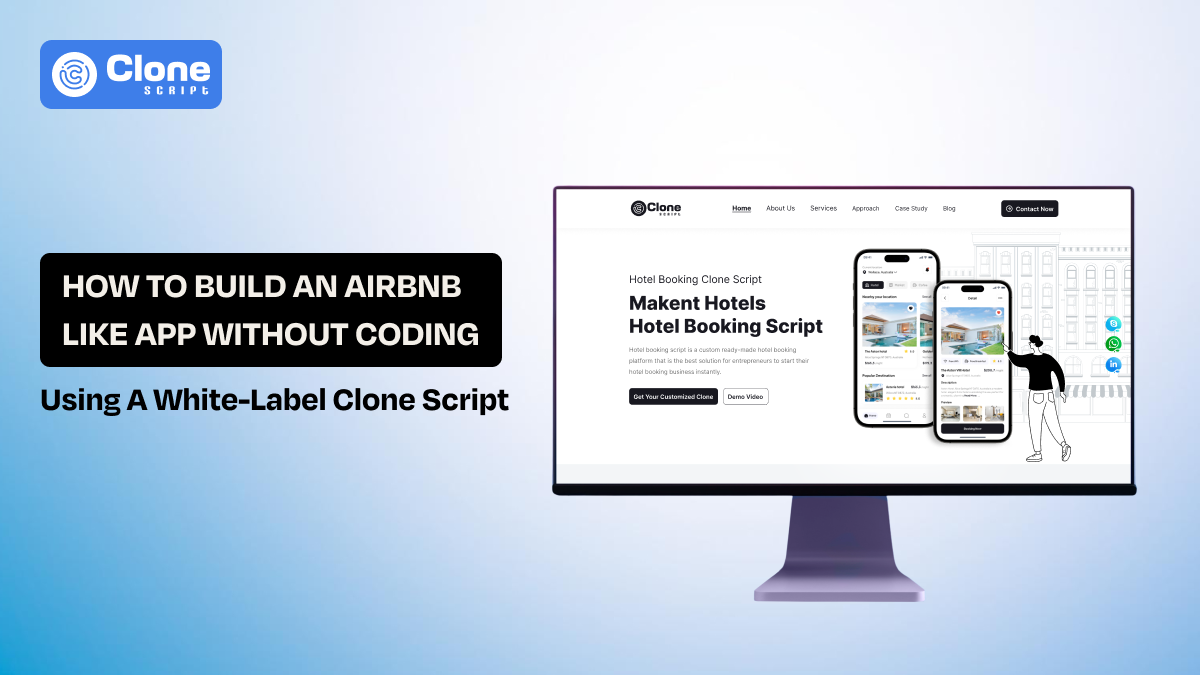
How to Build an Airbnb-Like App Without Coding (Using a White-label Clone Script)
The sharing economy has completely transformed the way people book accommodations. Platforms like Airbnb have proven that peer-to-peer rental marketplaces can scale into billion-dollar businesses by connecting hosts with travelers.
However, building such a platform traditionally requires heavy development resources, technical expertise, and a significant investment. Today, entrepreneurs can bypass these barriers by launching a marketplace using white-label clone software.
Solutions like AllClone Script Hotel Booking Clone allow founders to build and launch Airbnb-style platforms without coding, reducing development time and enabling faster market entry.
This guide explains how no-code marketplace technology works and how entrepreneurs can use it to launch their own rental platforms.
The Rise of No-Code Marketplace Businesses
The startup ecosystem is witnessing a major shift toward no-code and low-code development. Entrepreneurs increasingly prefer tools that allow them to launch digital products without building everything from scratch.
According to Statista, the global no-code development market is expected to exceed $65 billion by 2027. This growth is driven by founders who want to validate business ideas quickly without investing months in development.
Marketplace platforms are a major part of this trend. Instead of hiring large UI design and full-stack development teams, startups now rely on ready-made marketplace solutions such as clone scripts and white-label platforms.
This shift has enabled entrepreneurs to build platforms similar to Airbnb-style accommodation marketplaces, service marketplaces, and rental platforms without extensive coding knowledge.
What Actually Powers an Airbnb-Style Marketplace?

Behind every successful rental marketplace, a combination of systems manages interactions between hosts, guests, and administrators.
Understanding these components helps entrepreneurs evaluate the right software solution.
-
Host Management System
Hosts are the backbone of a rental marketplace. The platform must allow property owners to:
-
Create and manage listings
-
Upload photos and descriptions
-
Set pricing and availability
-
Manage bookings
A streamlined host interface ensures more property owners join the platform.
-
Guest Experience Platform
Guests need intuitive tools to discover and book properties. Try to include these key elements:
-
Advanced property search
-
Filters for price, location, and amenities
-
Instant booking capabilities
-
Secure payment processing
A smooth booking experience directly impacts platform growth.
-
Marketplace Administration System
Administrators control the entire platform through a central dashboard. Typical functions include:
-
Listing approval and moderation
-
Commission management
-
Booking monitoring
-
Analytics and reporting
Hotel booking clone script combines all these systems into a single, ready-to-launch platform.
The Traditional Way of Building an Airbnb-Like App (And Why It Slows Startups)
Before clone scripts became popular, startups had only one option: custom development.
This approach involves building the platform architecture from the ground up.
-
Long Development Timeline
Custom development requires several stages:
-
UI/UX design: This covers designing a seamless, intuitive interface that enhances user experience and navigation flow.
-
Back-end infrastructure development: This involves building server logic, databases, APIs, and systems powering the platform functionality securely.
-
Mobile app development: This focuses on creating responsive Android and iOS apps for smooth user interaction.
-
Payment integration: This enables secure transactions, supporting multiple payment gateways, currencies, and automated commission processing systems.
-
Testing and deployment: This ensures bug-free performance, security validation, and successful launch across servers and user environments.
The entire process can take 6 to 12 months or longer before launch.
-
High Development Cost
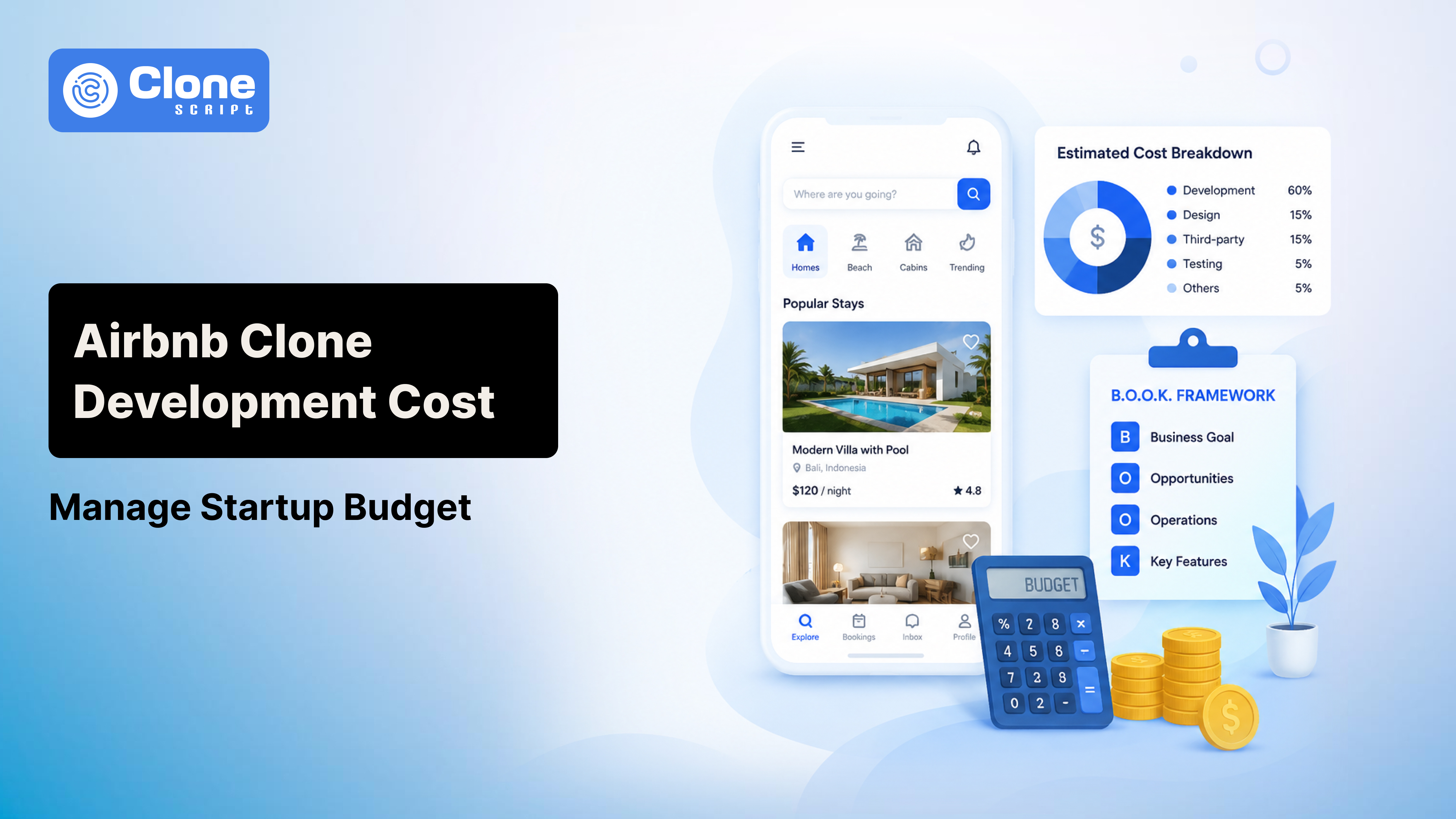
Building a property rental marketplace involves multiple specialists, including developers, designers, and DevOps engineers. Many startups spend $80,000 to $250,000 or more to build a fully functional rental platform. These costs can be increased if any additional advanced functionality has to be integrated.
-
Technical Complexity
Managing development teams and maintaining complex infrastructure can be challenging for non-technical founders. Because of these challenges, startups increasingly look for faster solutions.
The Shortcut: Launching a Rental Marketplace With an Airbnb Clone Script
A modern alternative to custom development is using a white-label Airbnb clone script.
Clone scripts replicate the essential functionality of successful marketplace platforms. Instead of coding every feature from scratch, founders can take advantage of a hotel reservation booking system and simply customize an existing system.
Platforms such as AllClone Script provide ready-made modules for:
-
Property listings
-
Booking management
-
Payment processing
-
Host and guest profiles
-
Messaging systems
-
Administrative control panels
Because the platform infrastructure already exists, entrepreneurs can focus on branding, marketing, and platform growth rather than development.
What You Can Launch With an Airbnb Clone Script (Beyond Vacation Rentals)
Many founders assume clone scripts are limited to vacation rentals. That’s not accurate. A new Airbnb clone script can power multiple marketplace models across industries.
-
Vacation Rental Platforms
This is the most common use case. Travelers can book apartments, villas, and homes for short stays. These platforms are ideal for tourist-heavy locations and seasonal demand markets.
-
Apartment Rental Marketplaces
Entrepreneurs can build platforms for long-term rentals and property leasing. These marketplaces work well in urban areas where users search for monthly or yearly housing options.
-
Luxury Villa Booking Platforms
High-end platforms focus on premium properties and exclusive stays. This model performs strongly in luxury travel destinations where customers expect curated experiences.
-
Event Space Rental Platforms
Users can rent spaces for corporate meetings, weddings, photo shoots, and conferences. This model targets both individuals and businesses looking for flexible venue options.
-
Unique Accommodation Marketplaces
Some startups specialize in niche stays, such as:
-
Eco-lodges
-
Farm stays
-
Cabins
-
Boutique guesthouses
These platforms appeal to travelers seeking experience-driven stays rather than standard accommodations.
Why this works:
A white-label Airbnb clone is not limited to one niche. Its flexible architecture allows you to build and scale multiple rental marketplace ideas using the same core technology.
Step-by-Step Workflow to Launch Your Airbnb-Like Platform Without Coding

Launching a rental marketplace with a white-label Airbnb clone script is a structured and efficient process. Instead of building from scratch, you focus on setup, customization, and go-to-market execution.
Step 1: Choose a Profitable Marketplace Niche.
Selecting the right niche is critical for differentiation and early choice. A focused approach helps you target a specific audience instead of competing broadly.
Popular niche ideas include:
-
Vacation rentals in tourist destinations
-
Short-term business travel accommodations
-
Eco-tourism and sustainable stays
-
Student housing marketplaces
A well-defined niche makes it easier to attract your first users and build supply quickly.
Step 2: Select a Reliable Airbnb Clone Script.
Your platform’s performance and scalability depend heavily on the software you choose. An Airbnb clone script should come with essential marketplace capabilities.
-
Mobile responsiveness
-
Booking automation
-
Scalable infrastructure
Many entrepreneurs prefer solutions like AllClone Script Hotel Booking Clone because they offer a complete, ready-to-launch marketplace framework.
Step 3: Customize Your Platform Branding.
White-label platforms allow entrepreneurs to personalize the interface. Common customization elements include:
-
Platform name and logo
-
Custom domain setup
-
Color schemes and UI layout
-
Brand-specific interface styling
This step keeps your platform looking unique, professional, and market-ready.
Step 4: Configure Marketplace Settings
Once branding is complete, define how your platform will operate. Important configuration options include:
-
Booking rules
-
Service fees
-
Host commission rates
-
Cancellation policies
-
Payout methods
These settings directly impact your user experience and revenue model, so they should align with your business strategy.
Step 5: Test and Launch
Before going live, thorough testing is essential to ensure smooth performance. Critical testing areas:
-
Booking flow and reservation accuracy
-
Payment processing and transaction security
-
User registration and login systems
-
Property listing and management functionality
After successful testing, you can confidently launch your platform and start onboarding users.
Key Platform Features That Make an Airbnb-Style Marketplace Work

A high-performing hotel booking reservation system features are well-structured, user-centric, and serve both hosts and guests. These features directly impact engagement, trust, and conversion rates.
-
Property Listing Management
Hosts need a seamless way to create and manage property listings without friction. Essential listing elements include:
-
High-quality photos
-
Clear pricing details
-
Real-time availability calendars
-
Detailed property descriptions
A simple and intuitive listing process helps onboard more hosts quickly, increasing platform supply.
-
Advanced Search and Filters
Discovery is important for user experience. Guests should be able to find relevant properties within seconds.
-
Price range
-
Location
-
Number of guests
-
Amenities (Wi-Fi, parking, pool, etc.)
Well-optimized search functionality improves user satisfaction and booking conversions.
-
Secure Booking Engine
The booking system is the core of your marketplace. It must handle reservations efficiently and accurately. Here are core capabilities:
-
Real-time availability updates
-
Instant booking options
-
Automated reservation confirmations
This ensures zero double bookings and a reliable user experience.
-
Integrated Payment Processing
A secure payment system builds trust and simplifies transactions for both parties. Key payment features:
-
Multiple payment gateway support
-
Secure transactions
-
Automated commission deductions
-
Host payout management
This enables smooth financial operations while ensuring consistent revenue generation for the platform.
-
Reviews and Ratings
Trust is a fundamental factor in the sharing economy. Users rely heavily on feedback before making decisions. Benefits include:
-
Increased transparency
-
Better decision-making for guests
-
Improved accountability for hosts
A strong review system helps build credibility and long-term user trust.
-
Admin Dashboard
The admin panel acts as the command center of your platform. These key functionalities are available:
-
Listing approval and moderation
-
Booking and transaction tracking
-
Revenue and performance analytics
-
User management
A prominent dashboard allows operators to monitor, control, and scale the marketplace efficiently.
Revenue Models Used by Airbnb-Style Platforms

A successful rental marketplace is a combination of bookings and making multiple, scalable revenue streams. Most Airbnb-style platforms combine several monetization strategies to maximize profitability.
-
Commission on Bookings
This is the primary revenue model for most marketplaces.
The platform charges hosts a percentage on every successful booking. This model scales naturally as transactions increase, making it ideal for long-term growth.
Why it works:
-
Directly tied to platform usage
-
No upfront cost for hosts
-
Predictable and recurring revenue
-
Guest Service Fees
In addition to hosting commissions, platforms often charge guests a small service fee during checkout. This fee covers platform operations such as support, security, and payment processing. It allows platforms to increase revenue per transaction without heavily impacting hosts.
-
Featured Listings
Visibility is valuable in a competitive marketplace. Property owners can pay to have their listings appear at the top of search results. It benefits from appropriate exposure for hosts, increased booking chances, and an additional revenue stream for the platform. This model works especially well as the number of listings grows.
-
Subscription Plans for Hosts
Platforms can offer premium subscription plans that provide additional tools and benefits. Typical offerings include enhanced listing visibility, advanced analytics and insights, and marketing and promotional tools. This creates a recurring revenue stream independent of bookings.
-
Experience and Tour Listings
Many platforms expand beyond accommodation by offering local experiences and activities.
Examples include:
-
Guided tours
-
Adventure activities
-
Cultural experiences
This diversification allows platforms to increase average revenue per user (ARPU) and enhance customer engagement.
Why a Multi-Revenue Model Matters
Relying on a single revenue stream limits growth. Combining multiple models helps platforms:
-
Maximize revenue from each user interaction
-
Reduce dependency on booking commissions.
-
Create stable and diversified income streams
Select the model for a hotel or property booking platform as per the business goals.
Cost Breakdown: Building From Scratch vs Using a White-Label Clone Script
The difference in cost between development methods is significant.
| Development Method | Estimated Cost | Launch Time |
| Custom development | $80,000 – $250,000+ | 6–12 months |
| White-label clone script | Much lower investment | Few weeks |
Using platforms such as AllCloneScript Hotel Booking Clone enables startups to launch faster and validate their business model with minimal risk.
Growth Strategies After Launching Your Airbnb-Like Platform

Launching your marketplace is just the starting point. Sustainable growth depends on building supply, driving demand, and creating strong network effects.
-
Focus on Host Acquisition First
A rental marketplace cannot function without listings. Before attracting guests, you need a solid base of property owners. Focus on these effective approaches:
-
Direct outreach to property owners in your niche
-
Partnering with local real estate agents
-
Offering early adopter incentives (zero commission, featured listings)
Prioritizing hosts ensures your platform has enough inventory to attract and retain users.
-
Target a Specific Geographic Market
Expanding too quickly can dilute your marketplace. Instead, focus on a single city or region initially. Why this works:
-
Builds strong local supply and demand
-
Improves user trust and availability
-
Creates better search visibility for location-based queries
A concentrated approach helps you establish dominance in one market before scaling.
-
Invest in SEO and Content Marketing
Organic traffic is one of the most cost-effective growth channels for marketplace platforms. Target high-intent search queries like:
-
vacation rentals in [city name]
-
short-term apartment bookings
-
local travel and stay experiences
Creating optimized landing pages and writing blog content helps drive consistent, long-term traffic without paid ads.
-
Offer Referral Incentives
Referral programs can accelerate growth by leveraging your existing user base. Here are the examples:
-
Discounts for guests
-
Bonus earnings for hosts who refer new listings
-
Credit-based reward systems
Referrals help reduce acquisition costs while building trust-driven user expansion.
Why These Strategies Matter
Marketplace growth is a balance between supply (hosts) and demand (guests). These strategies help you:
-
Build a strong initial impression
-
Reduce customer acquisition costs.
-
Create scalable growth loops
When a White-Label Airbnb Clone Script Is the Best Choice
A clone solution is ideal for several types of founders. It works particularly well for:
-
Entrepreneurs testing marketplace ideas
-
Travel startups launching niche platforms
-
Digital agencies building rental marketplaces for clients
-
Non-technical founders without development teams
These founders can launch quickly and iterate based on real user feedback.
Conclusion
Traditional vacation rental app development requires significant resources, time, and technical expertise. By using a white-label Airbnb clone script, startups can launch fully functional rental platforms without coding. Ready-made solutions such as AllClone Script Hotel Booking Clone provide essential marketplace features, reducing development complexity and accelerating time-to-market.
FAQs
-
What is an Airbnb clone script?
A hotel booking clone script for Airbnb is ready-made software that replicates the core functionality of a vacation rental marketplace. It allows entrepreneurs to launch property booking platforms without building the technology from scratch.
-
Can I build an Airbnb-like app without coding?
Yes. Using white-label clone software such as AllCloneScript Hotel Booking Clone, founders can customize and launch rental marketplaces without coding knowledge.
-
How long does it take to launch a rental marketplace?
With clone software, a rental platform can be launched in a few weeks, compared to several months required for custom development.
-
How much does it cost to build an Airbnb-like platform?
Custom development may cost $80,000 to $250,000 or more, while clone scripts significantly reduce development costs by providing pre-built marketplace infrastructure.
-
Is a white-label Airbnb clone scalable?
Yes. Many modern clone solutions are designed to support thousands of users and listings, making them suitable for startups planning long-term growth.