BTC - Bitcoin
 USDTERC20 - USDT ERC20
 ETH - Ethereum
 BNB - Binance
 BCH - Bitcoin Cash
 DOGE - Dogecoin
 TRX - TRON
 USDTTRC20 - USD TRC20
 LTC - LiteCoin

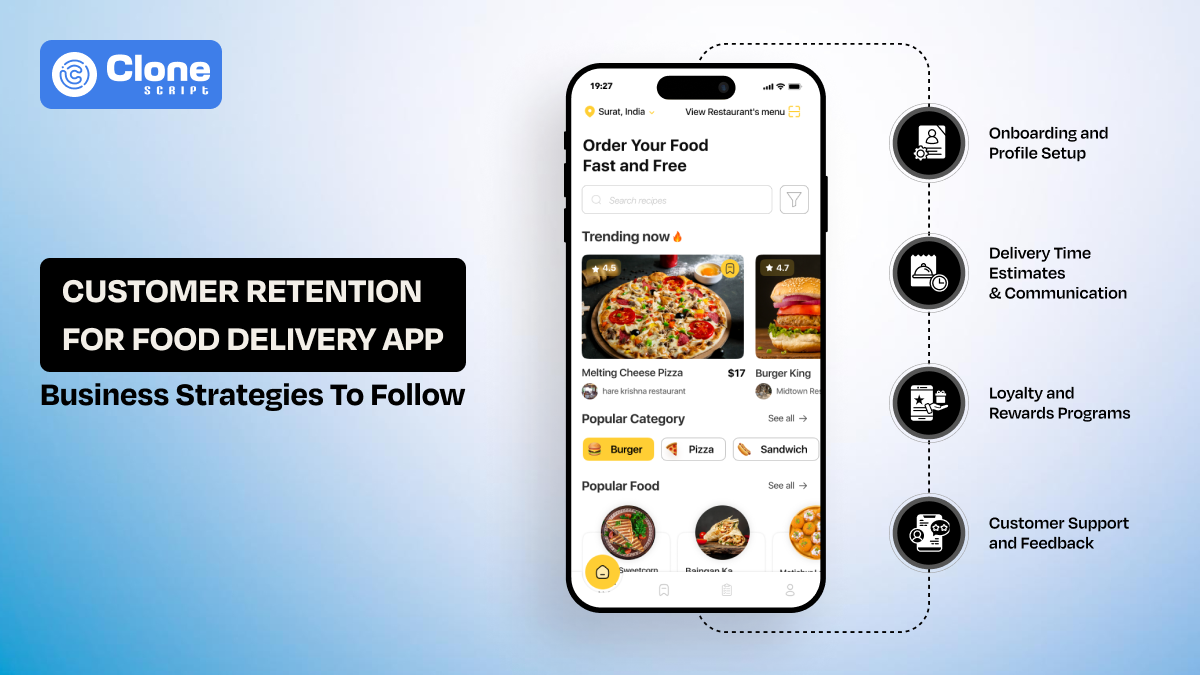
10 Strategies Boost Customer Retention for a New Food Delivery App
Retention vs acquisition in a food delivery is a completely different aspect. Here, users drop off fast. Many apps see up to 70% of new customers vanish after just one order. It costs five times more to win a fresh user than to keep an existing one happy, based on industry reports from places like McKinsey. You can turn that around with smart moves from the start. This guide explains 10 clear strategies to build a base of repeat users and drive steady growth for your new app.
Focusing on customer retention in food delivery apps helps reduce churn and improve customer lifetime value, making it more sustainable than constant acquisition.
First, Mastering the First Impression and Onboarding Experience.
The first week sets the tone for retention in your food delivery app. Users decide quickly if they stick around. Focus here to lock in loyalty early.
-
Seamless App Onboarding and Profile Setup
You can say that this is a food delivery app feature and available in famous apps like DoorDash, Uber Eats, and Grubhub.
Make sign-up simple to avoid early drop-offs. Offer social logins like Google or Facebook to skip typing in details. Ask only for basics, such as email and phone, then let users add payment later. This is done.
Right after, show value fast. Display nearby restaurants or a quick menu preview. This builds trust and cuts the chance of users quitting before their first order.
Do you know? Meal delivery apps that nail this see 20% higher retention in week one.
-
The Irresistible Welcome Offer Strategy
Your first deal hooks them in. Think a 20% off code or free delivery on the initial order. It taps into the thrill of a good bargain.
DoorDash uses credits for the next buy to pull users back. Uber Eats pairs discounts with easy promo codes.
Tailor yours to your app's vibe and aim for offers that feel generous without hurting profits. This simple step can double first-time repeat rates.
-
Hyper-Personalized First Recommendations
Use a tactic of food delivery app personalization. Don't dump generic menus on users. Use a short quiz on tastes, like spicy or vegan picks, right at sign-up. Or pull from their location and time to suggest brunch spots at noon.
AI tools can scan local trends to match options. This makes the app feel made just for them. Users who get spot-on suggestions order 30% more often, per retention studies.
Then, Elevating Order Fulfillment and Operational Excellence.
Reliable service keeps users coming back. Mess up delivery, and they switch apps. See these basics to build trust.
-
Precision in Delivery Time Estimates and Communication
Give spot-on ETAs to set expectations right. Use real data from driver routes to avoid overpromises. If delays hit, send texts or app alerts quickly.
One late delivery can tank satisfaction scores by 40%.
Apps like Grubhub become successful by updating users every step. Proactive notes, like "Your pizza is five minutes out," turn waits into positives. This cuts complaints and boosts return orders.
-
Quality Control: Ensuring Food Temperature and Presentation
Hot food arrives fresh, or users bail. Set rules for drivers: use insulated bags for all rides. Partner with restaurants on packing standards, like sealed containers.
Postmates checks samples to keep quality high. Train staff to spot issues before dispatch. When meals show up right, 85% of users rate the experience top-notch. This small effort prevents bad reviews that scare off others.
-
Streamlining the In-App Ordering Flow
Easy ordering means more completions. Use clear menus with big photos and filters for diets or prices. Add one-tap reorders for favorites.
Fix checkout pains, like hidden fees or slow loads.
Cart abandonment drops 25% with smooth flows. Test with users to spot snags, think swipe to customize toppings. Your app becomes their go-to when it's this simple.
If you find it useful, then add the feature while building a food delivery app.
Focus on Building Value Through Loyalty and Rewards Programs for User Engagement in Food Delivery Apps.
Shift from one-off buys to steady fans. Rewards make users feel valued. Start simple to grow engagement in your food delivery app.
-
Designing a Tiered Loyalty Program That Rewards Frequency
Build tiers like Basic, Plus, and Elite based on orders per month. Basic gets 5% off; Elite unlocks free upgrades. Each level adds perks, such as faster support.
This encourages more spending without high costs. Apps with tiers see 50% longer user life. Track progress in-app to keep them motivated.
-
Gamification Elements and Milestone Rewards
Add fun to orders with badges for trying new spots. Or streak bonuses: free item after five days in a row.
It turns routine into a game. Postmates uses challenges like "Order three salads, get a shake." Users engage 40% more with these twists. Keep it light and focus on the joys of food, not confusion.
-
Strategic Use of Surprise and Delight Tactics
Sprinkle random perks to spark joy. Waive fees on rainy days or add a free cookie sometimes.
These moments build bonds. A birthday push with credits feels personal. Studies show surprise rewards lift retention by 15%. Use data to time them right, without overdoing it.
Proactive Customer Support and Feedback Integration is Necessary.
Quick fixes turn gripes into wins. Listen and act to show you care. This section covers support that retains.
-
Implementing 24/7 Omnichannel Support Options
Offer help anytime via chat, call, or email. Start with AI chatbots for fast answers on tracking or refunds. Switch to people for tough stuff, like mix-ups.
Speed matters, and resolve 80% in under two minutes. Seamless Eats blends channels well. Users stay loyal when help feels easy and is always there.
-
Closing the Feedback Loop: Showing Users Their Input Matters
Ask for ratings right after delivery. Follow up: "We fixed that menu glitch you noted—thanks!"
Share wins, like new features from suggestions. This makes them feel heard. Apps that do this gain 25% more positive reviews. Turn feedback into stories for your marketing, too.
Advanced Retention Tactics: Win-Back and Segmentation.
Using food delivery app analytics, you can pull back the customers who do not make frequent orders or require more advanced service. These moves save those on the edge.
-
Hyper-Segmented Re-Engagement Campaigns
Group users by habits: lapsed after high fees or night owls who quit. Send tailored pushes, like fee cuts for cost-sensitive ones.
Personal notes work best. "Missed your tacos? 15% off tonight." This rebounds 35% of churners. Use app data to pinpoint reasons and respond sharply.
-
Using a food delivery subscription model
If you offer a pass for unlimited deliveries, push it hard. It locks in value, making switches costly.
Users subscribe for convenience. Amazon Prime-style models in food apps hike retention by 60%. Price it right and test tiers to fit budgets. This steady revenue fuels your app's future.
Conclusion
Improve customer lifetime value in food delivery by following these 10 strategies, from smooth onboarding to smart re-engagement, form your roadmap to loyal users. Start with first impressions, lock in ops, add rewards, support well, and chase back the lost. Retention isn't one fix; it's daily tweaks across your team.
Pour energy into current customers to max their lifetime value. Track metrics like repeat rates and tweak as you go.
FAQs
-
How can food delivery apps re-engage inactive users?
There are four ways: win-back campaigns, personalized offers, reminder notifications, and incentives. For that, recognize the churn patterns using analytics. Combining this with improved user experience increases the chances of converting inactive users into active customers again.
-
How does delivery speed impact customer retention in meal delivery apps?
It relates to repeat orders. Because users expect fast and reliable service from a food delivery platform. Even a minute of delay reduces trust (claimed in the ads) and increases churn rates. That is why consistently showcasing the accurate ETAs and optimized logistic chain improves repeat usage and long-term customer loyalty.
-
Do small food delivery startups compete with large platforms on retention?
Focusing on convenience, personalization, and service quality helps food delivery startups get a market share without relying on price reductions. Adding features like one-tap order, accurate delivery times, and exclusive membership benefits increases perceived value.
-
What is the role of data analytics in customer retention?
Specifically, for food delivery app marketing strategies, the analytics provide information on user behavior, what causes them to prevent ordering, and what steps to take to increase conversion rates. It helps to create personalized offers, predict user needs, and improve engagement.
-
My meal delivery startup is based in India. What retention strategy works for me?
For Indian startups, customer retention in food delivery apps works best with a hyperlocal approach. Offer state-wise popular dishes and align promotions with festivals like Diwali or Eid. Combine this with personalization, fast delivery, and loyalty programs to convert occasional users into repeat customers and build long-term engagement.
-
What role does UI/UX design play in a food delivery app?
A professional app UI and UX design can reduce friction in browsing, ordering, and checkout. The presence of meal delivery app features like intuitive navigation, quick search, and one-tap reorder improves usability and encourages users to make repeat orders.
-
Can subscription models improve retention in meal delivery platforms?
Yes. Offering benefits like free delivery, exclusive deals, and priority service increases perceived value. As it reduces dependency on one-time discounts, customers are showing interest in the personalized offers for online ordering.
-
How does restaurant variety influence users?
They find a diverse selection of cuisines, price ranges, and local favorites on the order list. From there, the conversion rates may be high. On the other hand, these users hardly uninstall your app because you fulfill their requirements accurately. The confusing app design increases the uninstall rate.
-
How important are payment options in food delivery apps?
It makes the online food ordering journey convenient and securely handles the transactions. With digital wallets, UPI, cards, and cash-on-delivery payment options available, it reduces drop-offs and enhances user trust.