BTC - Bitcoin
 USDTERC20 - USDT ERC20
 ETH - Ethereum
 BNB - Binance
 BCH - Bitcoin Cash
 DOGE - Dogecoin
 TRX - TRON
 USDTTRC20 - USD TRC20
 LTC - LiteCoin

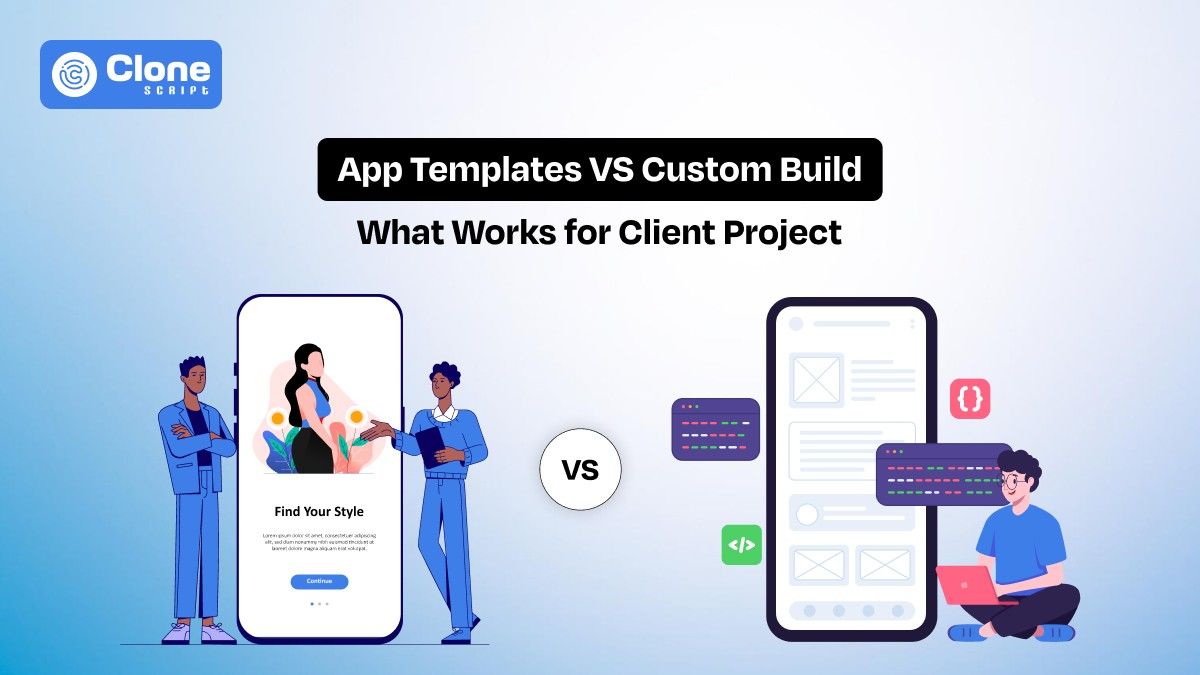
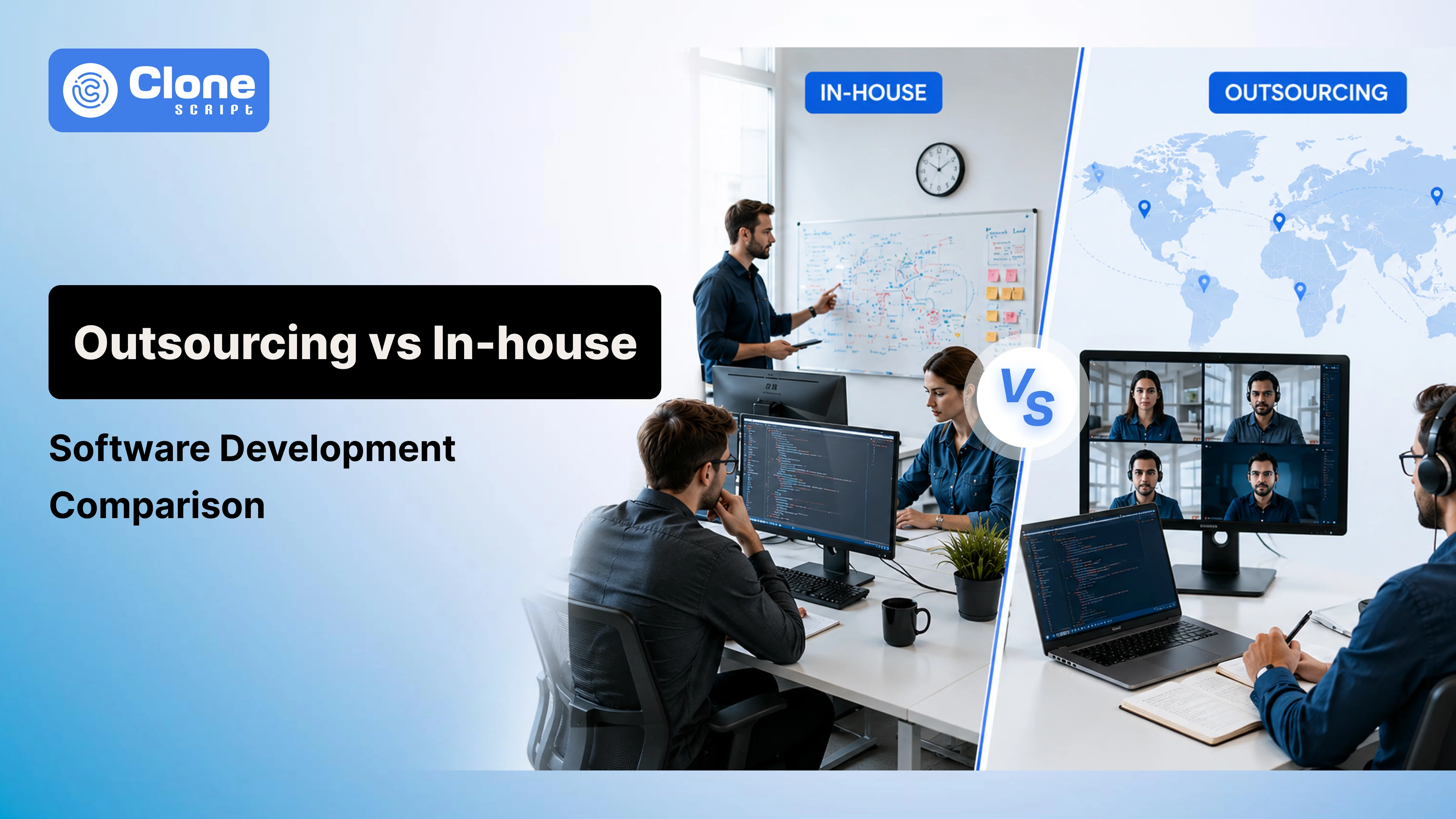
Can App Templates Work for Client Web Development Projects or Should You Build Custom
App templates have quietly become an integral part of the current app development ecosystem. Agencies rely on them. Freelancers rely on them. Startups request them. However, when it comes to a real client project, the atmosphere changes to a cautious one.
Clients want control, scalability, and long-term sustainability. Templates promise short-term gains and lower expenses, but they tend to ignore the cons.
The bottom line, therefore, is not whether templates exist or not. It’s whether they are truly suitable for client projects or if custom development is the more prudent and sound approach.
This article explains the truth you may not hear from agencies, with real-world examples, the risks associated, and a no-nonsense guide to help you make the right choice.
What are app templates, and how do they work?
An app template is essentially a pre-built app shell, consisting of UI design screens, navigation, and sometimes basic back-end functionality.
Most modern app templates are built using:
-
Flutter
-
React Native
-
Swift (iOS)
-
Kotlin (Android)
App templates are generally used for:
-
MVP development
-
Internal apps
-
Proof-of-concept apps
-
White-label apps
When you’re working with clients, you’re not delivering a finished, one-size-fits-all product. Templates are customized to fit, not handed off as-is. This difference actually makes a difference.
When agencies talk about using app templates for client projects, what they mean is:
“Starting with a pre-built foundation rather than a code slate.”
Benefits of Using App Templates for Client Projects
App templates can be a huge benefit when done correctly, especially for early-stage or time-pressed projects.
-
Faster Time-to-Market
Templates eliminate weeks of setup work:
-
Authentication flows
-
Basic navigation
-
Common UI components
This is precisely why MVP-oriented templates are so popular. Clients get to see something functional sooner, which helps to quickly validate concepts.
-
Lower Initial Development Cost
For budget-constrained clients, templates save:
-
Design hours
-
Boilerplate coding
-
Initial QA & testing cycles
This is why templates are attractive to startups and small to medium-sized businesses that value speed over polish.
-
Proven UI Patterns
Good templates tend to follow established UX patterns, which helps to avoid usability errors, particularly for non-technical founders.
Risks and Limitations Agencies Need to Be Aware Of
This is where most “template success stories” fail to come clean.
-
Licensing, Ownership, and Real-World Limitations
Many app templates come with very restrictive licensing, which can come back to haunt you later:
-
No resale rights
-
Restrictions on further redistribution by clients
-
Attribution requirements
When a client asks, “Do we own the code completely?”, you’ll find yourself in a gray area of the law. This is one of the largest unseen dangers of using templates for client projects, and it’s only discovered after the fact.
-
Scalability Constraints
Templates are meant for general use, not for a client’s future scalability. Common issues include:
Common issues include:
-
Poor state management
-
UIs are deeply tied to their logic.
-
Difficulty in decomposing components
Does this mean templates are ready for production? It settles that question definitively: sometimes, but rarely when you’re building for the long haul and high scalability.
-
Customization Overhead
Templates can help you move faster in the short term, but may haunt you in the long term. Heavily customizing templates usually means:
Heavy customization often means:
-
Rewriting large chunks of code
-
Violating the original assumptions of the template
-
Stacking up technical debt
More often than not, teams will wish they had started from scratch sooner.
When App Templates Can Be Used Successfully
Templates are not the enemy; they’re simply tools of a trade that are suited for specific purposes.
Scenarios Where Templates Make Sense
-
MVPs with a limited set of features
-
In-house tools for the business
-
Investor demos
-
Pilot projects with a short-term focus
In such cases, white-label app templates can be used for clients as long as the licensing terms are crystal clear and the client’s expectations are managed from the outset. The bottom line here is integrity. Clients must be made to understand that they are paying for the speed of development and not architectural grandeur.
When You Should Build Custom Apps Instead
Custom app development is the way to go when:
-
The app requires unique workflows
-
Scalability and performance are of utmost importance.
-
Security or regulatory compliance is non-negotiable.
-
The product strategy involves more than a minimal viable product
This is where the template vs. custom app development discussion becomes clear. Templates are optimized for speed, and custom development is optimized for longevity. For enterprise clients or fully funded startups, custom development is likely to be the better choice.
Decision Tree: Template or Custom Development?
Before making a decision, consider the following checklist:
App Template is the Better Choice if:
-
The budget is limited
-
The project timeline is limited.
-
The app requires a limited set of features.
-
Long-term scalability is uncertain.
Custom Development is the Better Choice if:
-
The client requires complete IP ownership
-
The app is likely to see major changes down the line.
-
Performance and security are of paramount importance.
-
The product is business-critical.
This decision tree can help agencies steer clear of the pitfalls of overselling app templates and underdelivering on results.
Cost and Time Factors for Templates and Custom Development
Projects based on app templates are likely to be:
-
30-60% faster to deliver initially
-
Less expensive to develop
-
More costly to maintain down the line
Custom projects:
-
Involve a steeper initial investment
-
The pace of development may begin more slowly.
-
They lower the risk of maintenance down the line.
For many agencies, the key to success is a balanced strategy that combines the best of both worlds: begin with a template, and then incrementally substitute custom architecture for the most high-risk components.
AllClone Script’s Flutter Templates to Choose for Client Projects
AllClone Script provides Flutter app templates designed to assist agencies and development teams in moving client projects forward without losing flexibility. The cross-platform approach ensures that the code can be executed on both Android and iOS platforms, which is a huge advantage for projects with tight schedules and budgets.
Their templates are designed for several in-demand industries, such as:
-
E-commerce
-
Cryptocurrency apps
-
Fintech
-
Foodtech
-
Edtech
-
Web3 products
-
Smart contract-based systems
-
On-demand services
This industry-specific structure allows for easier alignment of a template with actual client needs rather than a one-size-fits-all approach.
For client projects, these templates are an excellent starting point. They can be customized to fit the project requirements while maintaining a quick turnaround. When done in the open and with careful customization, AllClone Script Flutter templates are an effective way for agencies to meet client needs without losing flexibility.
Best Practices for Using App Templates in Client Projects
If you decide to use templates, follow these best practices:
-
Be transparent about template use upfront
-
Check licensing terms before signing the agreement.
-
Resist over-customization
-
Refactor sooner rather than later.
-
Record any differences from the original template
Transparency is the key to protecting both agencies and their clients.
Final Thoughts
Can app templates be used in client projects? Absolutely. When used intentionally, with transparency, and within reason.
Templates are not a shortcut to quality but a speed booster with limitations. Development agencies that understand this will deliver better outcomes, avoid conflicts, and establish long-term trust. This is something no template can automate.
FAQs
-
How do you decide between using an app template and developing from scratch?
Begin by considering budget, time, complexity of features, scalability requirements, and licensing limitations. If the app is going to be mission-critical or needs to change significantly, it’s almost always the better decision to develop from scratch.
-
Are app templates production-ready for client projects?
Some are, but most require heavy refactoring before they can be used in a client project. “Production-ready” is a function of code quality, architecture, scalability, and security best practices incorporated into the template.
-
Do agencies need to disclose to clients that they’re using app templates?
Yes. It’s important to be transparent. By doing so, you establish trust, avoid potential conflicts, and ensure the client understands issues with ownership, scalability, and long-term support.
-
What’s the cost associated with using app templates in client projects?
App templates will save you 30-60% of the cost of custom development. The total cost of ownership includes the cost of the license, development, testing, and deployment. For MVPs, this can be a game-changer.
-
How long does it take to build a client app using an app template?
Typically, it will take 4 to 8 weeks. This, of course, will depend on how much customization is required, what kind of integrations are needed, and how extensive the testing needs to be. While templates can help speed up the process, development is still required to bring it in line with the client’s objectives and standards.