BTC - Bitcoin
 USDTERC20 - USDT ERC20
 ETH - Ethereum
 BNB - Binance
 BCH - Bitcoin Cash
 DOGE - Dogecoin
 TRX - TRON
 USDTTRC20 - USD TRC20
 LTC - LiteCoin

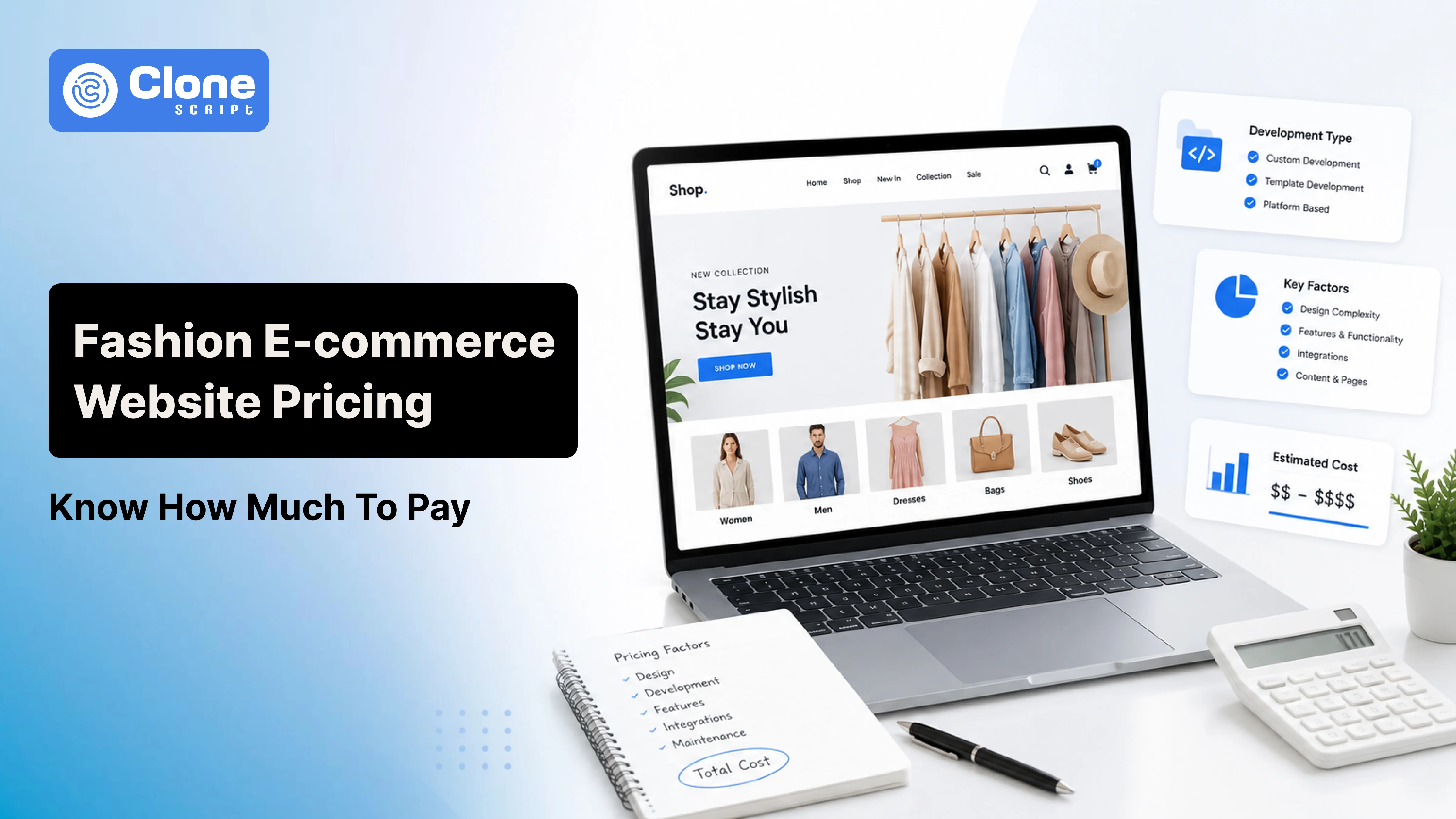
Fashion Clothing E-commerce Website Development Cost
Many clothing brands start their online journey expecting to spend $500-$5,000 on a website. That’s enough.
Then reality sets in. Product photography, size and color variations, payment gateways, inventory management, and mobile optimization quickly push the budget higher.
What looks like a simple online store can easily become thousands of additional investment once real business requirements are added.
The biggest challenge is that fashion websites are judged within seconds. Customers are looking to load the website on mobile quickly, get information for sizing, and safe checkout. If any of these elements are missing, brands face abandoned carts, lower conversion rates, and rising marketing costs. This is the wrong way businesses are going.
Before committing to a budget, it helps to understand the major cost drivers and the difference between a $500 store and a $20,000 custom platform. These insights can help you avoid costly mistakes and invest where it matters most.
Why Fashion E-commerce Websites Cost More Than Standard Websites
Because high conversion is more important than getting more visits. To increase revenue, functionalities like secure account access, checkout, and payment systems need investment. As a result, a fashion e-commerce website costs more than a standard website.
Business owners think that the website development for fashion brand the process is similar. In practice, they are completely different projects.
The difference becomes more noticeable as the product catalog grows. Every new feature, variation, and customer convenience adds development time, testing requirements, and long-term maintenance costs.
-
Product Variations Create Additional Complexity
A clothing item is rarely sold as a single product. One t-shirt may be available in five sizes and six colors, creating 30 purchase combinations. Multiply that across hundreds of products, and managing inventory becomes significantly more complex than a standard online store.
-
Fashion Buyers Depend on Visual Experience
Fashion is a visual purchase. Customers cannot touch the fabric or try the product before ordering. As a result, clothing websites rely heavily on high-resolution images, zoom functionality, product galleries, videos, and lookbook-style layouts. These features improve conversions but also increase development and optimization requirements.
-
Filtering and Search Must Work Perfectly
Visitors search by size, color, brand, style, material, price range, or seasonal collections. Building advanced filtering systems requires additional development effort. If shoppers cannot quickly find what they want, they are likely to leave and purchase elsewhere.
-
Inventory Management Requires Ongoing Automation
Fashion inventory changes constantly. New collections arrive, seasonal products disappear, and stock levels fluctuate daily. Connecting the website with inventory management, order processing, and shipping systems requires additional integrations that directly influence the overall fashion clothing e-commerce website development cost.
Key Factors That Influence Fashion Clothing E-commerce Website Development Cost
The price of a clothing e-commerce website is rarely determined by a single feature. Two clothing brands selling similar products can end up with vastly different development budgets because their business requirements are different.
A startup launching with 50 products has different needs than an established fashion retailer managing thousands of SKUs across multiple categories.
Understanding these cost factors helps businesses allocate their budget more effectively and avoid paying for features they may not need immediately.
-
Website Design Requirements
Website UI and UX design is often one of the first areas that impacts cost.
A basic template-based store can be launched relatively quickly, while a custom-designed fashion website requires extensive planning, wireframing, UI design, and front-end development.
Fashion brands typically invest more in design because visual presentation influences purchasing decisions. Custom product pages, interactive lookbooks, collection landing pages, and branded shopping experiences all require additional development resources.
-
Number of Products and Categories
A store with 100 products is significantly easier to build than one with 5,000 products spread across multiple categories. More products mean more data migration, product setup, category structures, filtering rules, and inventory configurations.
Large catalogs also require stronger search functionality and database optimization to maintain fast website performance.
-
Custom Features and Functionality
Many fashion businesses require features beyond standard e-commerce functionality. Examples include size guides, wishlists, personalized recommendations, outfit builders, product comparison tools, loyalty programs, and customer accounts.
Each custom feature adds development hours and testing requirements. While these enhancements can improve customer experience, they also increase the overall project budget.
-
Mobile Responsiveness
More than half of fashion purchases now begin on mobile devices. A website that looks attractive on desktop but performs poorly on smartphones can lose a substantial portion of potential sales.
Developers must optimize navigation, product images, checkout flows, and loading speeds across different screen sizes. This process requires additional design and quality assurance efforts that influence development costs.
-
Third-Party Integrations
Most fashion stores rely on more than their e-commerce platform to run daily operations. Payment gateways, shipping providers, email marketing software, CRM systems, inventory management tools, and analytics platforms need to work together seamlessly.
While many services offer pre-built integrations, customization is frequently required to match specific business processes. The more systems that need to exchange data, the more development time is involved.
-
Payment Gateway Integration
Customers expect secure and convenient payment options. Depending on the target market, a fashion store may need support for credit cards, digital wallets, Buy Now Pay Later services, UPI payments, or international payment methods.
The payment integration itself may not be expensive, but testing transaction flows, handling refunds, ensuring compliance, and maintaining payment security all contribute to development costs. Businesses selling globally may face additional requirements related to currency conversion and regional payment preferences.
-
Inventory and Order Management
Inventory issues can quickly become costly for fashion retailers. Overselling products, displaying inaccurate stock levels, or delaying order updates can damage customer trust and increase return requests.
To avoid these problems, many businesses integrate their website with inventory management and order processing systems. This automation reduces manual work but requires careful setup and synchronization between platforms.
-
Performance and Security Requirements
Fashion shoppers are impatient. If a product page takes several seconds to load, visitors often leave before exploring the catalog. High-resolution images, promotional banners, videos, and large product databases can all affect website speed if not properly optimized.
Security is equally important. Customer accounts, payment information, and order data must be protected against cyber threats. SSL certificates, security monitoring, backup systems, and regular updates add to ongoing website expenses but are essential for maintaining customer confidence.
Together, these factors explain why a fashion e-commerce website can range from a few thousand dollars to tens of thousands of dollars. The next step is understanding what those price ranges actually look like and what businesses can expect at each investment level.
Estimated Cost Breakdown for Fashion E-commerce Website Development
It can be anything between $2,000 and $50,000. Depends on the store's size, customization requirements, and long-term growth plans.
After reviewing the factors that influence pricing, the next question is straightforward: how much should a fashion business actually budget?
A boutique clothing brand launching its first online store has very different needs from a retailer managing multiple product lines and thousands of monthly orders.
The table below provides realistic development ranges that many businesses face when planning a fashion online store development.
| Website Type | Estimated Cost | Typical Features |
|---|---|---|
| Basic Fashion Store | $500 - $1,000 | Template-based design, product catalog, payment gateway, basic filtering, mobile responsiveness |
| Growing Fashion Brand | $1,500 - $3,000 | Custom design, advanced product filtering, customer accounts, wishlist, marketing integrations, improved checkout experience |
| Custom Fashion E-commerce Platform | $5,000 - $10,000 | Unique user experience, loyalty programs, advanced inventory management, ERP integrations, personalized recommendations |
| Enterprise Fashion Platform | $10,000+ | Multi-store management, global payments, custom workflows, extensive automation, advanced analytics, enterprise-grade security |
These figures cover development costs only. Many businesses make the mistake of allocating their entire budget to website creation and forgetting the expenses that follow the launch.
Hosting, maintenance, product photography, content creation, marketing tools, and search engine optimization require separate investment.
Another factor that influences cost is the development approach itself. Some brands choose a ready-made theme to reduce initial expenses, while others invest in custom development to get greater flexibility and control.
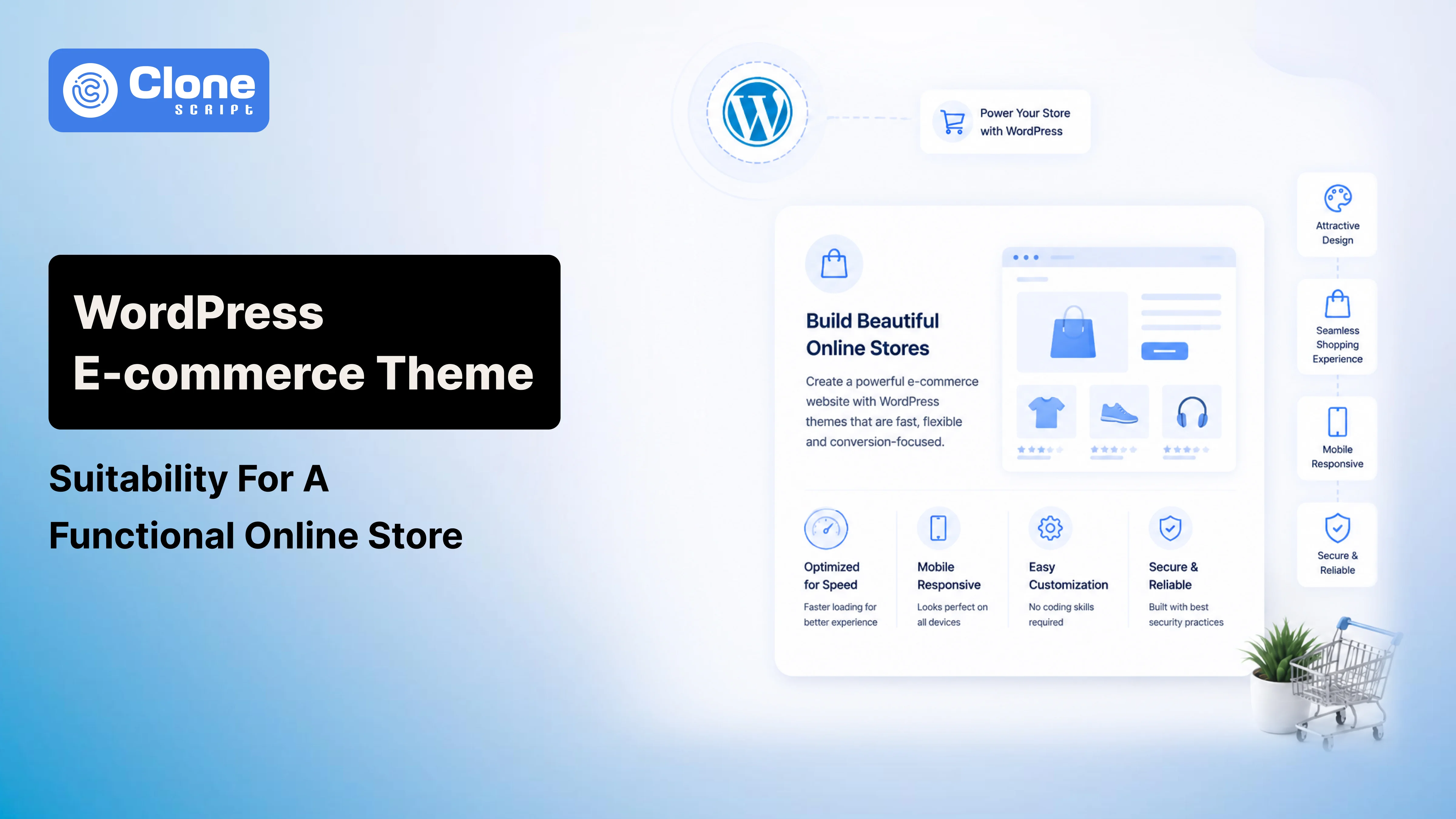
Custom Development vs Ready-Made Themes for E-commerce Business
A ready-made theme can reduce upfront costs and speed up launch timelines; custom development provides greater flexibility for brands planning long-term growth.
For many fashion businesses, this decision has a bigger impact on budget than any individual feature.
The challenge is that the cheaper option is not always the less expensive option over time. A theme that saves $3,000 today may require costly modifications later as product catalogs expand and customer expectations evolve.
-
Ready-Made Themes: Lower Initial Investment
Fashion brands launching their first online store choose themes because they offer a faster and more affordable route to market. Most modern e-commerce themes include product pages, category layouts, mobile responsiveness, and checkout functionality.
This approach works well for businesses with a limited product catalog and straightforward requirements. E-commerce development costs typically remain lower because many core features are already built into the platform.
However, customization can become challenging. As brands grow, they discover limitations in design flexibility, performance optimization, and advanced functionality.
-
Custom Development: Greater Flexibility and Scalability
Custom development starts with the brand's specific requirements rather than adapting business processes to fit an existing template. Every design element, user journey, and feature can be tailored to support business objectives.
This approach is particularly valuable for fashion retailers that want unique shopping experiences, custom product configurations, advanced integrations, or specialized customer engagement features.
Although the initial investment is higher, custom-built solutions often provide better scalability and fewer restrictions as the business expands.
Which Option Makes More Sense?
A ready-made theme is usually sufficient for startups, boutique clothing stores, and businesses validating a new product line. Custom development becomes a stronger investment when a brand expects rapid growth, manages large inventories, or wants to create a distinctive customer experience that competitors cannot easily replicate.
The decision should not be based solely on today's budget. It should also consider where the business expects to be in the next two to three years and whether the chosen platform can support that growth without requiring a costly rebuild.
How to Reduce Fashion Website Development Costs Without Sacrificing Quality
Reducing development costs does not mean choosing the cheapest option available. Many fashion businesses spend more money fixing poor decisions than they would have spent building the website correctly from the start. The goal is to invest in features that directly support sales while postponing unnecessary complexity.
-
Launch With Essential Features First
Many brands try to launch with every feature they can imagine. Loyalty programs, AI recommendations, advanced personalization, and custom mobile applications sound attractive, but they may not be necessary on day one. MVP website features have to be prioritized.
A phased approach allows businesses to launch faster, generate revenue, and invest in additional functionality based on actual customer behavior rather than assumptions.
-
Use Existing E-commerce Platforms Strategically
E-commerce platforms such as Shopify, WooCommerce, and Magento already provide many core online business capabilities. Using built-in functionality instead of developing custom alternatives can significantly reduce development costs.
The key is identifying where customization creates real business value and where standard functionality is sufficient.
-
Invest More in User Experience Than Visual Effects
Fashion brands sometimes allocate large budgets to animations and design effects that look impressive but contribute little to conversions. That’s not totally wrong.
Shoppers care more about finding products quickly, viewing accurate images, and completing purchases without frustration. That’s key to conversions.
Simple navigation, clear product information, and a smooth checkout process often generate better results than expensive visual enhancements appear on the site.
-
Plan for Growth Before Development Starts
One of the most expensive mistakes is rebuilding a website after outgrowing its original structure. Before development begins, businesses should consider expected product growth, future integrations, and expansion plans.
A scalable foundation may cost slightly more initially but can prevent substantial redevelopment expenses later.
-
Choose the Right Development Partner
The lowest quote is not always the most cost-effective option. Experienced e-commerce developers identify potential issues early, recommend practical solutions, and build systems that require less maintenance over time.
When evaluating proposals, businesses should focus on expertise, portfolio quality, communication, and long-term support rather than price alone.
The most successful fashion brands do not necessarily spend the most money on development. They spend strategically, prioritizing features that improve customer experience, operational efficiency, and long-term growth.
All Clone Script Provides E-commerce Website Development Services
If you are planning to launch a fashion e-commerce store, partnering with an experienced development company can simplify the process and reduce time-to-market. All Clone Script offers e-commerce website development services with features designed to support online retail businesses.
Key Highlights
-
Custom e-commerce website development
-
Responsive design that works smoothly across desktop, tablet, and mobile devices
-
Product catalog management with category and inventory organization
-
Payment gateway integration for seamless online transactions
-
Wishlist and user account features to improve customer engagement
-
Search and filtering options to help shoppers find products quickly
-
Scalable architecture suitable for startups and growing businesses
-
Browser compatibility testing for a consistent user experience
-
Post-launch support and assistance during website deployment
These services can help fashion brands build a professional online store. It can help focus on customer experience, operational efficiency, and future business growth.