BTC - Bitcoin
 USDTERC20 - USDT ERC20
 ETH - Ethereum
 BNB - Binance
 BCH - Bitcoin Cash
 DOGE - Dogecoin
 TRX - TRON
 USDTTRC20 - USD TRC20
 LTC - LiteCoin

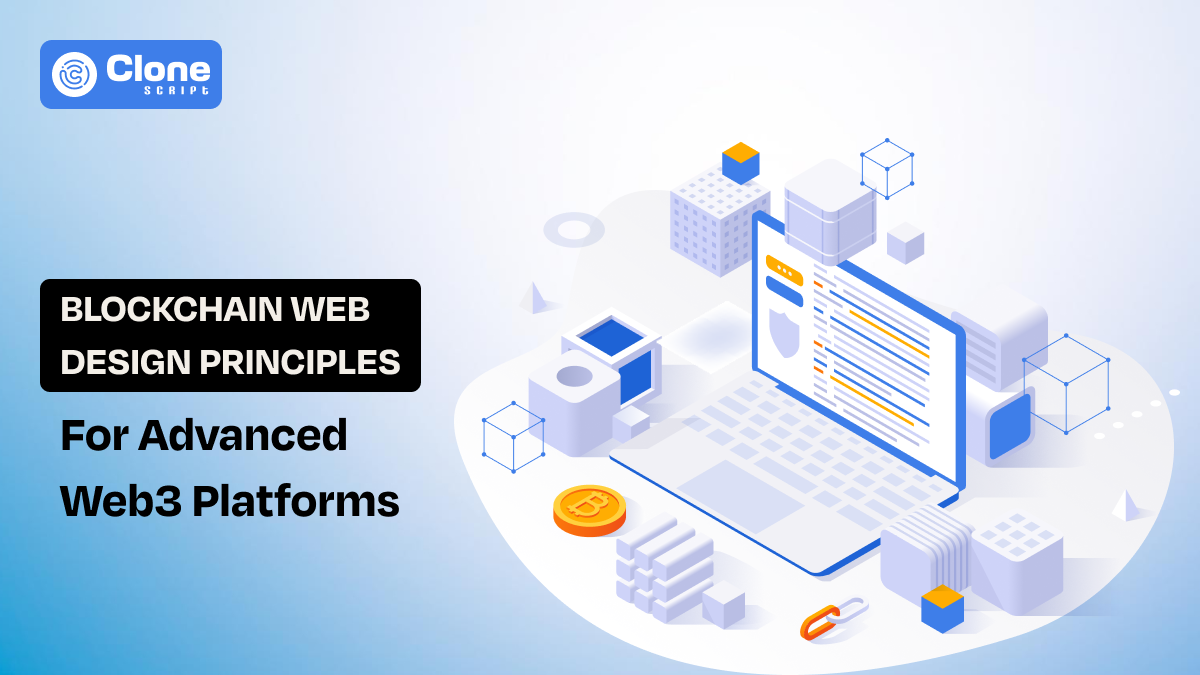
The 7 Essential Blockchain Web Design Principles for Web3
As blockchain technology becomes more common in everyday digital products, the rules of traditional web design are shifting fast. Business owners want websites that communicate trust, innovation, and reliability. Designers want frameworks that help them build fast, understandable, and secure Web3 interfaces.
This is where Web3 design principles come in.
These UI design principles help guide how we build modern blockchain sites, whether you're launching a crypto platform, NFT marketplace, Web3 SaaS product, or a community-focused DAO hub. And while Web3 feels futuristic, the best designs still focus on clarity, speed, and user empowerment.
Let’s break down the 7 essential blockchain web design principles that you should follow.
Principle 1. Create a Decentralized User Experience That Feels Simple, Not Overwhelming.
In Web2, users rely on companies to handle logins, store data, and manage permissions.
Decentralization is one of those ideas that sounds great in theory but feels intimidating for everyday users. People don’t want to think about what’s happening “under the hood.” They just want to click a button and trust the process.
A strong Web3 user experience should make blockchain interactions feel as smooth as logging in with Google or Apple, even though the technology behind it is far more complex.
-
Make trustless interactions feel trustworthy.
In Web3, users don’t rely on a company to protect their data or verify their identity. Instead, the blockchain handles it. Your job as a designer or business is to make this shift feel safe and familiar by:
-
Showing clear explanations before transactions
-
Using plain-language prompts (e.g., “You’re about to mint an NFT”)
-
Avoiding technical jargon like “nonce,” “gas,” or “signing payloads.”
-
Providing visual progress indicators
This can create trustworthiness.
-
Smooth wallet onboarding is everything.
Wallets are where most users hesitate. Even tech-savvy visitors can feel unsure when asked to “connect a wallet.”
To reduce frustration, follow these tips:
-
Offer the most common wallet options such as Metamask, Coinbase, Phantom, Trust Wallet, and Zengo.
-
Provide short tooltips explaining what a wallet does. Add tutorials for the mechanism and easy connect.
-
Give a simple comparison like: “A wallet acts like your digital ID + payment method combined.”
-
Use walkthrough animations for first-time users. This will highlight the security and the movement in the mapped flow to avoid losing focus.
When users understand what they’re doing, they’re far more likely to trust your platform and convert.
Principle 2. Showcase Transparency & Security Without Scaring Users Away.
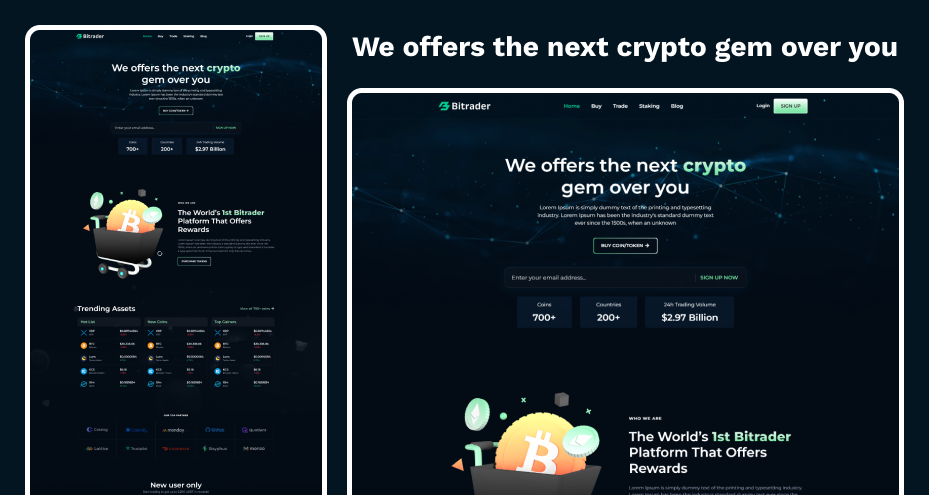
People entering Web3 often hear about hacks, scams, and lost passwords. This makes security by design essential, but it should be presented in a calming, confidence-building way.
-
Explain security in human language.
Instead of overwhelming visitors with technical security audits or encryption details, focus on what matters most to them:
-
“Your information stays under your control.”
-
“Every transaction is verified on the blockchain.”
-
“We use audited smart contracts for maximum safety.”
Clear benefits will always resonate more than complicated engineering terms. So, even a first-time user starts to take an interest in your Web3 platform.
-
Show what’s happening behind the scenes.
In Web3, every important action happens through a smart contract. Communicating this transparently helps users feel in control:
-
Display readable summaries before they sign anything. For example, “Minting NFT on the marketplace.”
-
Clarify fees and why they exist. Such as “Gas fee” to proceed with the transactions on the blockchain network.
-
Use color coding for safe, risky, or high-value actions. For setting the slippage fee, use red color, or for buying NFT, green color is good.
-
Offer receipts after transactions. Once the transaction is settled, like trading the meme coins or buying the NFT asset, it would immediately be available to read by the user.
When users know what they’re approving, your platform instantly feels more credible.
Principle 3. Build an Interface Around Digital Ownership, Not User Accounts.
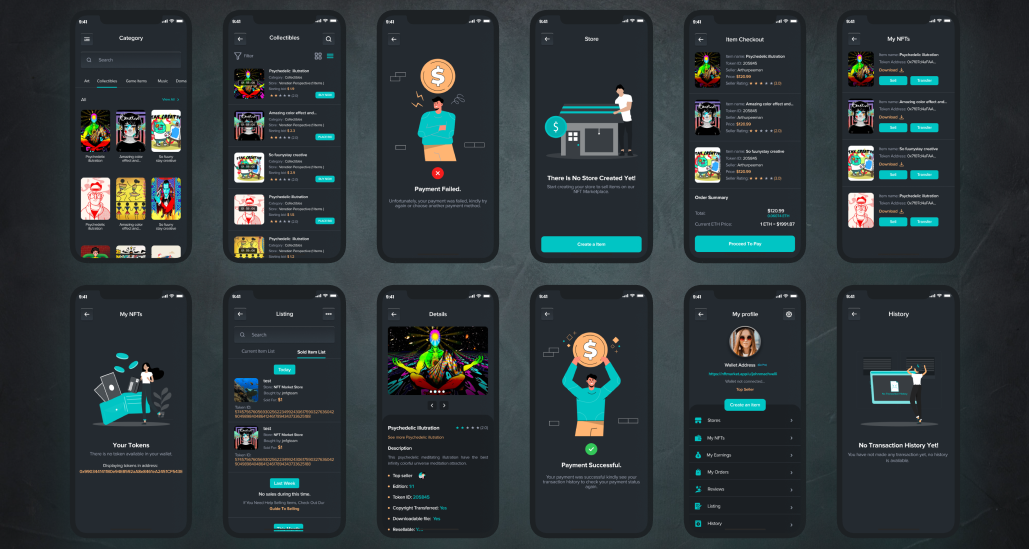
Traditional websites treat users like subscribers inside a system. Web3 flips that by giving people ownership of their data, identity, and digital assets. Your website should highlight this difference.
-
Show users what they own — visually and proudly.
Whether you’re building an NFT project like OpenSea, a crypto dashboard, or a Web3 SaaS, ownership shouldn’t be hidden in a settings menu. It should feel like part of the experience:
-
Asset galleries. It will show the assets owned by the user transparently.
-
Token balances. The total balance of tokens, including cryptocurrencies like stablecoins and altcoins.
-
Ownership badges. The original creator for the end users, the badges will help to identify the asset resources. It also encourages digital creators to actively participate in community growth.
-
Digital inventory displays. Showcasing the inventory details in a clear and easy-to-understand manner helps users make decisions.
All of these help reinforce that users are not renters. They’re owners.
-
Respect user-controlled data.
Instead of storing user information in centralized servers, Web3 tools rely on blockchain-based identity. This influences the UX of the website:
-
No forced sign-ups. The onboarding process of the Web3 platforms is not pushed but well optimized with flow management.
-
No emails or passwords. To access the website, there is no requirement for an email or other personal data, except for the crypto wallet connection.
-
No unnecessary data collection. Users can opt out of data gathering for marketing or contacting purposes when signing up to the dAPP, for example.
Always design features around the idea that the user is in full control. The more your interface empowers them, the more trustworthy your brand becomes.
Principle 4. Optimize Performance so the Blockchain Never Slows Down the Website.
Website speed optimization is important in Web2 and Web3 not excluded from it.
Even though blockchain interactions take longer than normal API calls, your website shouldn’t feel slow. Users will still judge you by how quickly your pages load and respond.

-
Keep your front-end lightweight.
Performance matters even more in Web3 because users don’t want to wait for nodes or RPC responses.
Improve speed by following the tips on front-end website development:
-
Using modern frameworks like Next.js. To speed up the entire client-side web experience, this front-end framework is useful.
-
Lazy-loading on-chain data. This is just like an image that loads when the user scrolls it down. Optimizing the various chain network data makes the site speed slow.
-
Minimizing heavy graphics or animations. Using accessibility features in Web3 is good, but it should not increase the cognitive load.
-
Optimizing media files before upload. Using the JPEG image format is not recommended; instead, try PNG and WebP images. While hosting an MP.4 video on the website reduces the speed, host it on YouTube or Vimeo and then embed it on the website.
Performance optimization in a blockchain website works as an invisible tool that keeps users informed, encouraged, and interested in the platform.
-
Avoid blockchain bottlenecks.
Not every interaction needs to hit the blockchain immediately. We know some aspects take time to load properly and present in a useful way.
You can speed things up by:
-
Caching frequently used data. When a user visits the NFT marketplace category in previous days or explores the cryptocurrency values, the site has to fetch data accordingly.
-
Preloading wallet information. After a visit to the website, if users again open the site, the wallet has to be automatically connected to reduce manual intervention.
-
Using optimistic UI responses. For example, if the user won the bid to buy an NFT asset, the smiley emoji has to be shown, while for heavy amount transactions, it should present the caution icon to be doubly sure.
-
Displaying “pending” states instead of freezing the interface. It creates community trust that the Web3 platform is designed with clarity.
This makes your website feel modern and responsive, even if the blockchain is taking its time.
5. Make Wallet Integration Easy, Accessible, and Welcoming.
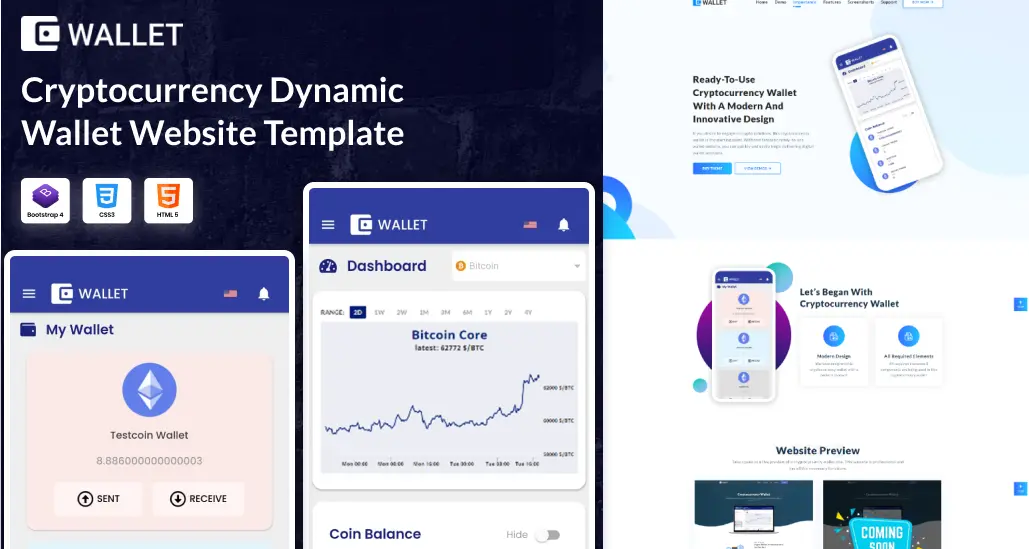
Wallets are the doorway to Web3. But also the biggest drop-off point. Many users feel intimidated or unsure when connecting to one. Your wallet onboarding flow design should remove that fear.
-
Offer the right wallet choices.
For most audiences, supporting the top three is enough:
-
MetaMask: It is the most widely used Web3 wallet, allowing users to store crypto, manage digital assets, and interact seamlessly with decentralized apps.
-
WalletConnect: It’s a secure protocol that lets users connect hundreds of mobile wallets to your website using a simple QR code.
-
Coinbase Wallet: It’s a beginner-friendly Web3 wallet built by Coinbase, giving users an easy way to store NFTs, crypto, and on-chain identities.
But what matters more is how you present them. Use simple explanations like:
-
“Connect your wallet to continue.”
-
“This lets you verify ownership of your assets.”
With these details, they can be sure about connecting a wallet with your platform and moving further ahead.
-
Accessibility applies to Web3, too.
A lot of Web3 interfaces overlook accessibility features, but they matter more than ever because wallet pop-ups, signing windows, and transaction messages must be readable and intuitive. In short, the crypto wallet UX has to be optimized in a proper flow.
But the question is, how to improve the wallet connection user experience?
Here are tips to be followed:
-
Navigation-friendly modals. From the first screen to a successfully connected message screen has to be easily accessible, even through a smartphone.
-
High-contrast UI options. If a user wants to change the color or font size to their preferred ones, it could be easily done without any technical setup.
-
Accessible signing instructions. Presenting the tutorial and short messages to easily use the crypto website creates a unified trust.
-
Screen reader-compatible alerts. By letting users know the minimum screen size to navigate the platform avoids unresponsiveness.
Accessible interface design in a blockchain website boosts trust, conversions, and user retention.
Principle 6. Balance Futuristic Aesthetics with Clear, Consistent Branding.
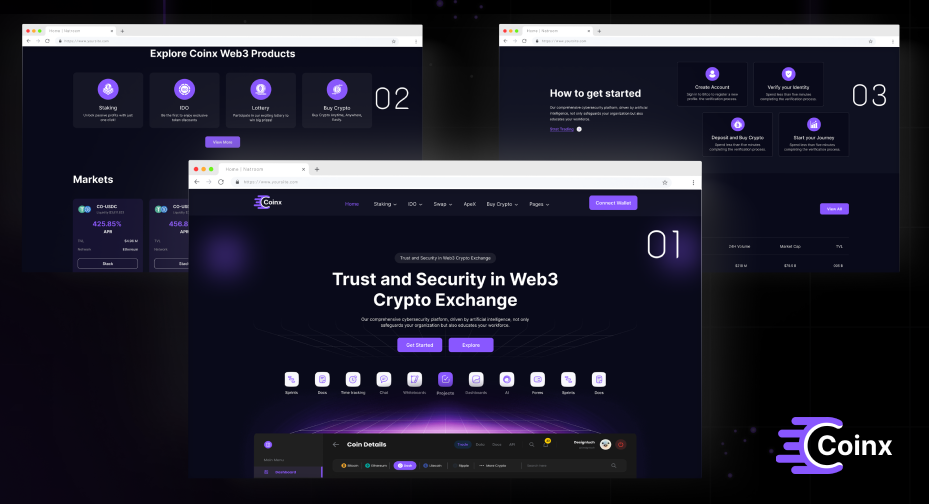
The Web3 product design is known for glowing colors, gradients, digital environments, and futuristic vibes. But a visually stunning design is useless if users can’t navigate it.
This indirectly suggests that your website has to be presented in a future-proof way, not just for current needs.
-
Use a visual system that feels modern but practical.
A good Web3 design language should include the following branding elements:
-
Consistent color themes: Use a unified color palette that reinforces your brand identity and creates a smooth, cohesive visual experience.
-
Clean typography: Choose modern, easy-to-read fonts that make content feel clear, balanced, and effortless to scan.
-
Recognizable icons: Implement intuitive, familiar icons so users can understand actions quickly without needing extra guidance.
-
Predictable button behaviors: Keep button styles and interactions consistent to build trust and help users navigate confidently.
-
Clear spacing and hierarchy: Organize content with thoughtful spacing and visual hierarchy to guide users naturally through each section.
These basics keep even the most futuristic layouts grounded for everyone.
-
Don’t let “cool design” get in the way of usability.
In decentralized web design, being most innovative could lead to an unsucess. Using animations or sci-fi visuals will make users feel unique to accessing the platform. But if everything moves, glows, or pulsates, your user may feel lost.
A simple rule that applies in user-friendly Web3 design is: Aesthetics should enhance usability. Don't be distracted from it.
Principle 7. Design With Your Community, Not Just For Individuals.
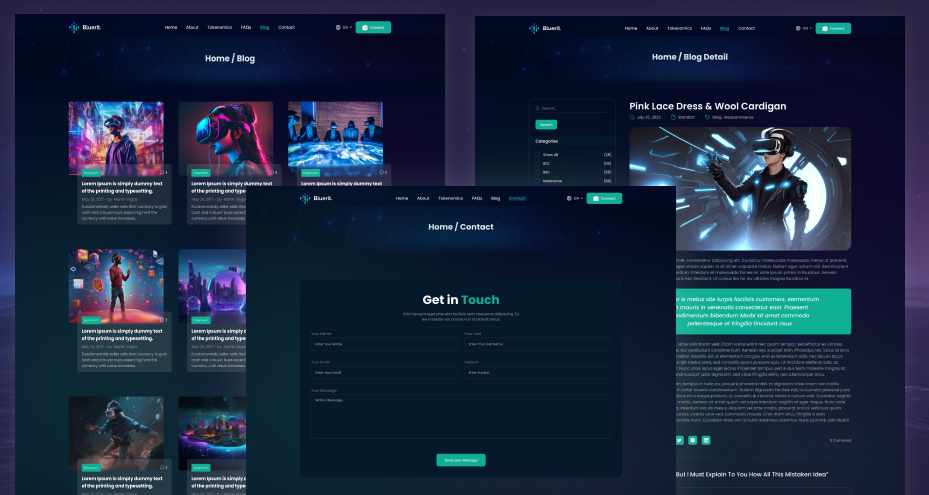
Community is the key element of Web3 success. Users don’t want to be passive visitors. They want to feel involved, respected, and heard. When designing a crypto website then follow the tips to make users feel they’re part of the initiative project.
-
Invite community feedback early.
Whether you're running a DAO, launching an NFT project, or building a crypto tool, your community will help refine your product through:
-
Suggestion channels: Let users share ideas and pain points directly.
-
Polls: Allow the community to vote on features and priorities.
-
Early-access testing: Give dedicated users a chance to test new updates before launch.
-
Discord or Telegram discussions: Host real-time conversations to gather insights, opinions, and suggestions.
This creates a sense of ownership and loyalty towards the decentralized community.
-
Let the community shape your evolution.
Web3 platforms grow faster and stronger when users play an active role in shaping the product’s direction. You can adapt this collaborative mindset by:
-
Publishing public roadmaps: Show users what’s coming next and how the project is progressing.
-
Sharing design previews: Give the community early visibility into upcoming UI or feature updates.
-
Explaining upcoming features: Break down what’s being built and why it matters.
-
Hosting live feedback sessions: Create opportunities for real-time conversations and direct input.
When your audience feels included, engagement improves, and it’s all magic that has been done by prioritizing the best UI practices in blockchain website development.
Bonus: Choosing the Right Web3 Website Builder or Agency?
Building a Web3 website comes with unique technical challenges, from wallet integrations to on-chain interactions. So, choosing the right Web3 development partner can impact your project’s success.
What should you look for?
When hiring a website builder or agency, prioritize:
-
Web3 UX experience: The agency should understand decentralized user flows, wallet interactions, and how blockchain affects navigation and onboarding.
-
Fast turnaround times: Web3 moves fast. Your website should, too. Look for dev teams that can deliver modern, on-chain experiences without long delays.
-
Smart contract understanding: Even if you aren’t building complex dApps, your Web3 development team should know how contracts work, how to integrate them, and how to keep users safe.
-
Strong portfolio: Review their past work to ensure they’ve actually delivered high-quality Web3 sites, not just traditional websites with “Web3” branding slapped on.
If you’re looking for a reliable Web3-focused development partner, AllClone Script offers Web3-ready website solutions with fast delivery and blockchain-friendly features.
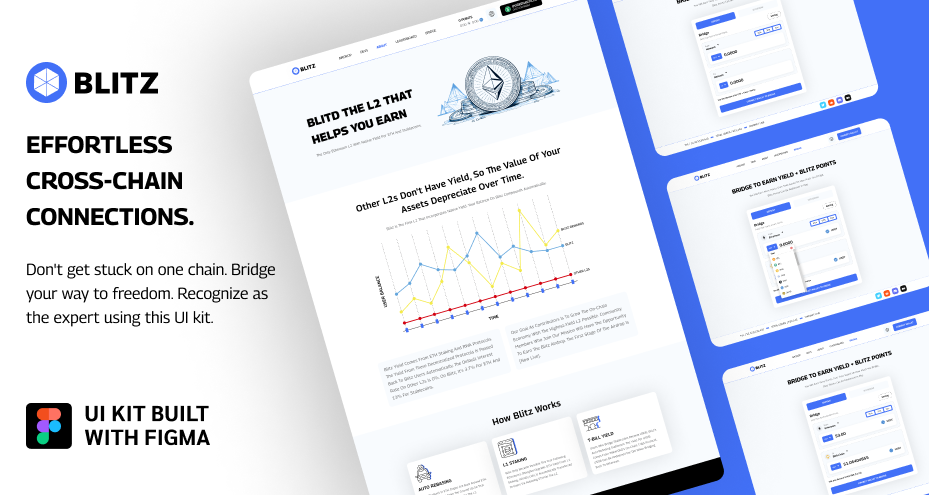
Whether you’re looking for a ready-made blockchain UI design kit in Figma and website templates, blockchain app Flutter templates, or a custom solution, everything we have.
Need any assistance for your Web3 startup or running a business? Contact us.
Conclusion
Web3 design is evolving quickly, but the core goal remains the same: create digital experiences that feel intuitive, trustworthy, and future-ready. By focusing on clarity, community input, and smart design fundamentals, you can build websites that stand out in a rapidly expanding ecosystem. Whether you’re crafting a dApp, launching an NFT brand, or refreshing your Web3 presence, following these principles will help you deliver a fast, reliable, and user-centered experience.
FAQs
-
What are some successful Web3 website design case studies to learn from?
Successful Web3 design case studies often include platforms like Uniswap, OpenSea, and Zapper, which showcase clean UX, intuitive wallet flows, and fast on-chain functionality.
-
What are the most common mistakes designers make in Web3 website UI/UX?
Common mistakes include unclear wallet flows, excessive animations, poor contrast, confusing navigation, and failing to explain blockchain actions.
-
What should be included in a crypto design best practices checklist?
A solid checklist includes wallet UX, clear transaction feedback, mobile responsiveness, brand consistency, loading states, and accessible design patterns.
-
What are the best tools & platforms for faster Web3 web design?
Tools like Thirdweb, Wagmi, Moralis, and Alchemy help designers build fast, secure Web3 websites with simplified wallet connections, smart contracts, and on-chain features.
-
How do loading states help Web3 UX?
Loading states guide users through blockchain delays, showing progress, verification steps, and confirmations to reduce confusion during transactions.