BTC - Bitcoin
 USDTERC20 - USDT ERC20
 ETH - Ethereum
 BNB - Binance
 BCH - Bitcoin Cash
 DOGE - Dogecoin
 TRX - TRON
 USDTTRC20 - USD TRC20
 LTC - LiteCoin


Travel Booking App Development: Cost, Features, and Possible Risks
Mobile has transformed how travel is discovered, compared, and booked. Travelers now expect search, reservations, payments, itinerary management, and support in a single experience. That shift is fueling demand for travel booking app development, especially as mobile accounts for 65.37% of online travel bookings in India and over 63% of OTA bookings globally.
For startups, OTAs, and hospitality businesses, Android travel app development comes first due to its global reach across India, the US, Europe, and emerging markets.
But building a travel booking app involves far more than standard mobile development. Real-time inventory, travel API integrations, dynamic pricing engines, payment security, compliance, and supplier dependencies all shape product complexity and travel booking app development cost.
The talk comes down to: whether you’re estimating the cost to build an app like MakeMyTrip or evaluating features for a scalable OTA platform, understanding these factors early is important. This guide covers the features, costs, APIs, risks, and monetization models that matter before development begins.
Why Businesses Are Investing in Travel Booking Apps
These reasons explain that having a dedicated booking app for travel brings the following opportunities:
-
Mobile Is Becoming the Primary Booking Channel.
First, look at these statistics:
-
65% of online bookings have been made in India for travel.
-
70% of travelers prefer managing trips through mobile apps.
That means the investment in app development can’t be proven wrong until it's managed properly. From bookings to check-ins and itinerary updates, everything is controlled. For travel businesses, mobile has become a primary booking channel, not just a support channel.
-
Direct Booking Ownership Improves Margins.
One major driver is direct booking ownership. Third-party marketplaces take commissions that can range from 10% to 30%. This makes margin control difficult.
A dedicated travel booking app gives businesses control over pricing, customer data, and repeat booking strategies. It reduces dependency on aggregators.
-
Travel Apps Increase Customer Retention.
Retention is another major investment driver. Features like fare alerts, loyalty rewards, personalized offers, and push notifications help improve repeat bookings. Even small increases in retention can materially improve customer lifetime value. This is often more profitable than constant acquisition spending.
-
Operational Efficiency Reduces Costs.
Travel apps also improve operations by automating booking workflows, supplier inventory synchronization, refunds, and customer communication. It reduces servicing costs while improving user experience.
-
New Monetization Models Expand Opportunity.
Beyond commissions, many businesses now generate revenue through convenience fees, insurance upsells, affiliate partnerships, and subscription models.
For many companies, Android and iOS travel app development is becoming a scalable revenue and distribution strategy. It is no longer just product development.
Types of Travel Booking Apps You Can Build
The scope and cost of travel booking app development depend heavily on the type of product being built. While many businesses think of travel apps as one category, the market is typically divided into several models, each with different technical requirements and revenue opportunities.
-
Flight Booking Apps
Flight booking apps focus on search, fare comparison, reservations, and post-booking services such as cancellations and flight status updates. These apps usually depend on Global Distribution Systems (GDS) like Amadeus or Sabre to access real-time inventory and pricing.
Because airfares change dynamically and availability shifts constantly, flight booking apps tend to have higher integration complexity than many other travel products.
-
Hotel Booking Apps
Hotel booking apps center around property discovery, room availability, pricing, reviews, and reservation management. This segment remains one of the largest in online travel, with hotel bookings contributing a major share of OTA revenue globally.
Compared with flight systems, these apps can be simpler to launch, making them a common entry point for startups.
-
Full Online Travel Agency (OTA) Apps
Full-service OTA apps combine multiple services in one platform, including:
-
Flights
-
Hotels
-
Holiday packages
-
Car rentals
-
Activities
Apps similar to MakeMyTrip or Expedia fall into this category and typically require the highest development investment.
-
Niche Travel Apps
Many businesses start with niche models such as corporate travel, pilgrimage, adventure, or itinerary planning apps. These allow faster MVP launches with a narrower scope and lower initial development costs.
The Core Features List of a Travel Booking Mobile App
The success of a travel product depends less on how many features it has and more on whether those features solve real booking and traveler experience needs. For businesses investing in travel booking app development, certain capabilities have become standard.
-
Smart Search and Filtering
Search is the foundation of every travel booking app. Users expect to filter results by price, dates, amenities, ratings, duration, and cancellation policies, while receiving fast, accurate results. Strong search experiences directly influence conversion rates.
-
Booking Engine and Reservation Management
The booking engine powers the core transaction flow, including availability checks, fare calculations, reservations, confirmations, and cancellations. In complex travel apps, this becomes the most engineering-intensive component.
-
Secure Payment Integration
Travel apps typically support multiple payment options, including cards, wallets, and region-specific methods like UPI. Secure payment processing, refunds, and fraud protection are essential, especially for apps handling high booking volumes. For that, payment gateway integration with the app is required.
-
User Profiles and Itinerary Management
Travelers increasingly expect features such as saved traveler profiles, booking history, digital tickets, and itinerary tracking inside the app. These features improve convenience and encourage repeat usage.
-
Advanced Features Driving Differentiation
Beyond essentials, many modern travel apps add advanced features such as:
-
AI-powered recommendations
-
Offline itinerary access
-
Loyalty and rewards programs
-
Real-time travel alerts
These features can improve retention and help differentiate the product in a crowded market.
Travel Booking APIs You’ll Need to Fuel Functionality in Your App
APIs are a foundational part of travel booking app development, especially for platforms handling real-time inventory, reservations, and pricing. In many projects, integration complexity drives both back-end development effort and long-term operating costs.
-
Global Distribution System (GDS) APIs
Flight booking apps' data depends on Global Distribution Systems such as Amadeus, Sabre, and Travelport for access to airline inventory, fares, and reservation workflows. These systems power much of the global travel ecosystem and are critical for apps offering live flight bookings.
Because pricing and availability change constantly, GDS integrations require strong synchronization and error handling.
-
Hotel and Supplier Inventory APIs
For accommodation platforms, supplier APIs connect apps with room availability, pricing, and booking confirmations. Common integrations may include hotel aggregators, partner inventory providers, or direct property systems.
These APIs are essential for maintaining real-time booking accuracy.
-
Supporting APIs for Core Functionality
Most travel apps also require additional APIs for supporting services, including:
-
Maps and location services
-
Payment gateways
-
Currency conversion
-
Weather data
-
Reviews and content feeds
These integrations improve functionality and user experience.
-
API Costs and Dependency Risks
API integrations also introduce hidden costs through licensing fees, transaction-based pricing, or revenue-sharing models. They can also create supplier dependency risks, which is why API strategy is as important as feature planning when estimating travel booking app development cost.
How Much Does Travel Booking Android and iOS App Development Cost?
The cost of travel booking Android and iOS app development can vary widely depending on scope, integrations, platform complexity, and business model. A simple booking MVP may require a modest budget. At the same time, a scalable OTA platform involves a significant investment.
-
Basic MVP Travel Booking App
A minimum viable product typically costs between $10,000 and $25,000, depending on features and development region.
This usually includes:
-
Search and booking flow
-
Basic payment integration
-
User profiles
-
Simple admin dashboard
This model is used for market validation.
-
Mid-Level Booking Platform
A more feature-rich travel app may range from $25,000 to $75,000.
This usually includes:
-
Third-party API integrations
-
Dynamic pricing logic
-
Loyalty features
-
Notifications and analytics
These kinds of mobile apps are common for growth-stage startups.
-
Enterprise OTA Platforms
Building an app comparable to large OTAs like MakeMyTrip or Expedia can exceed $75,000–250,000+, particularly when multi-service inventory, fraud controls, and high-availability infrastructure are required.
Key Cost Drivers
Several factors influence travel booking app development cost, including:
-
Feature scope and complexity
-
Tech stack choice (Kotlin, Flutter, React Native)
-
API integration requirements
-
Development location and team rates
-
Maintenance and infrastructure costs
A common benchmark is that post-launch maintenance may add 15–25% annually to the original build cost, something many businesses underestimate during planning.
Possible Risks in Travel Booking App Development
While features and cost get the most attention, risk management is what often determines whether a travel platform scales successfully. In a travel booking app, many of the biggest challenges emerge after launch, not during app UI design and UX.
-
Real-Time Inventory and Booking Failures
Travel inventory changes constantly. Prices can shift mid-session, availability may disappear, and supplier systems can return outdated data. Without proper handling, these failures can lead to booking errors, revenue leakage, and customer trust issues.
For apps relying heavily on live inventory, this is a major technical risk.
-
Payment and Fraud Risks
Travel transactions carry higher fraud exposure than many digital products, particularly with chargebacks, refund abuse, and payment disputes. Secure payment architecture and fraud prevention mechanisms become critical as booking volumes scale.
-
Supplier Dependency Risk
Many travel apps depend on external providers for inventory and pricing. Heavy dependence on a single supplier or API can create operational fragility if those systems fail or pricing terms change.
This is why redundancy planning matters.
-
Compliance and Security Risks
Travel apps may need to account for regulations such as:
-
PCI-DSS for payments
-
GDPR and privacy laws
-
Tax and refund compliance
Overlooking compliance can create significant legal and operational risk.
-
Android and iOS Fragmentation Challenges
A risk often ignored in generic guides is Android and iOS device fragmentation. Different devices, OS versions, and network conditions can impact performance, payment flows, and user experience, particularly in emerging markets where device diversity is high.
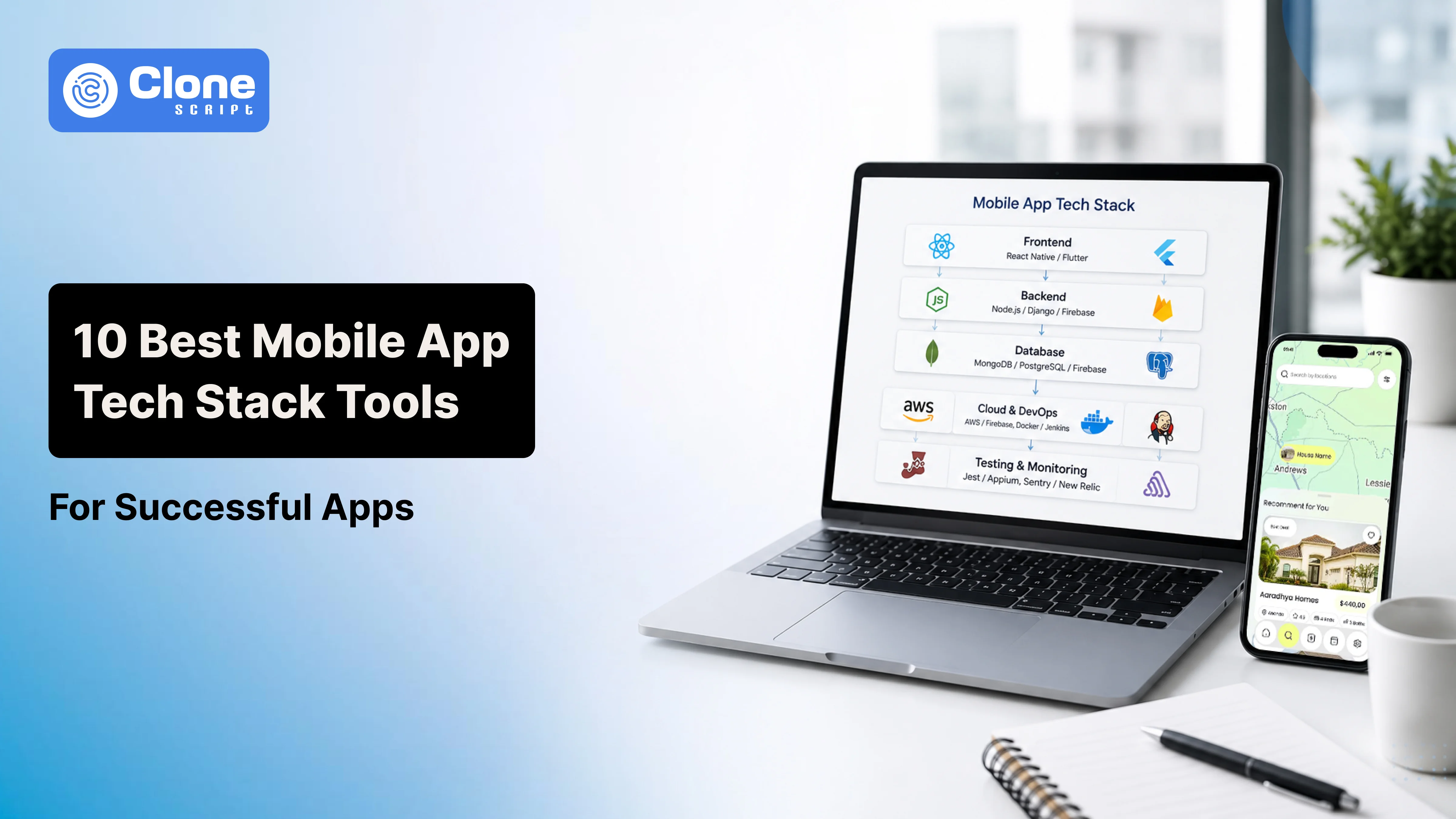
Recommended Tech Stack for Android and iOS Travel Apps
Performance, scalability, and long-term maintenance are connected to the right tech stack options you choose for Android and iOS app development. Launching a lean MVP, cross-platform product, or an enterprise-grade OTA platform, it’s important to note the point.
-
Front-end Technologies
For native Android development, Kotlin is preferred for performance, security, and deep Android support. For the iOS app, Swift has been used for specific iPhone devices to support the functionalities.
For businesses targeting faster multi-platform launches, Flutter or React Native may be considered to reduce development time. These frameworks support both Android and iOS.
The choice comes down to performance needs versus development speed in mobile front-end development.
-
Back-end Architecture
Travel apps require robust back-end systems integration to manage these functionalities:
-
Real-time inventory
-
Pricing logic
-
Booking workflows
-
User data
-
Notifications
To add to this, the common back-end technologies include:
-
Node.js
-
Java
-
Python
For larger platforms, microservices are often preferred because they allow pricing, payments, and booking services to scale independently.
-
Databases and Cloud Infrastructure
The front-end and back-end stack you opted for. But to store and secure the data, a database was required.
Common database choices include PostgreSQL for transactional reliability and MongoDB for flexible data handling.
Referring to the cloud infrastructure usually relies on:
-
AWS
-
Google Cloud
-
Microsoft Azure
These support scalability, redundancy, and global availability.
-
Security and Scalability Considerations
Beyond technology selection, the stack should support:
-
API reliability
-
Payment security
-
High availability architecture
-
Load handling during demand spikes
In travel platforms, architecture decisions affect long-term growth as much as initial development cost.
Monetization Models for Travel Booking Apps
For many businesses, a travel booking app is not only about enabling reservations but also about creating sustainable revenue streams. While commissions remain the core model, modern travel apps layer multiple monetization strategies.
-
Commission-Based Revenue
This is the most common model used by online travel agencies.
Businesses earn a percentage from each booking made through the platform, whether for flights, hotels, tours, or rentals. For many OTAs, commissions remain the primary revenue engine.
-
Convenience and Service Fees
Some platforms generate additional revenue by adding service or convenience fees during checkout. While it’s small per transaction, these can become significant at scale.
-
Ancillary Upselling
Ancillary products carry higher margins than base bookings and have become an important revenue layer.
Common upsells include:
-
Travel insurance
-
Airport transfers
-
Activities and tours
-
Seat upgrades
-
Premium support services
Many successful travel apps rely heavily on these add-ons.
-
Affiliate and Partnership Revenue
Some apps monetize through affiliate partnerships by promoting partner services and earning referral commissions. This model is common in niche and content-driven travel apps.
-
Subscription Models
Premium memberships and subscription plans are increasingly used for:
-
Exclusive discounts
-
Loyalty perks
-
Corporate travel tools
-
Premium traveler benefits
For many businesses, combining multiple monetization models creates stronger long-term economics than relying on booking commissions alone.
How Long Does Travel Booking App Development Take?
The timeline for app development depends largely on feature scope, integration complexity, and product architecture. In many cases, third-party APIs and booking logic influence timelines more than front-end development itself.
-
Basic MVP Timeline
A simple travel booking MVP typically takes 3 to 5 months to develop. This may include:
-
Search and booking flow
-
Payment integration
-
User accounts
-
Basic admin functionality
This approach is used for validating a business model before scaling.
-
Mid-Level Product Timeline
A more feature-rich travel platform generally takes 6 to 9 months, especially when adding:
-
Multiple API integrations
-
Dynamic pricing logic
-
Loyalty features
-
Notifications and analytics
This is common for startups moving beyond the MVP stage.
-
Enterprise OTA Development Timeline
Building a large-scale OTA platform can take 9 to 18 months or more, depending on complexity. Projects in this range often involve:
-
Multi-service inventory systems
-
Fraud prevention layers
-
High-availability infrastructure
-
Advanced supplier integrations
What Affects Development Timelines?
Several factors can extend timelines, including:
-
API integration complexity
-
Compliance requirements
-
Booking engine logic
-
Scope changes during development
-
Testing across Android and iOS devices
In travel products, integrations and edge-case handling add more time than app user interface development, which is why realistic planning matters early.
Build vs Buy vs White-Label: Which Is Better?
One strategic decision in cross-platform travel booking app development is whether to build a custom product, use a white-label solution, or adopt a hybrid approach. The right choice usually depends on budget, speed, and long-term business goals.
-
Custom Development
Building a custom travel booking app offers the highest flexibility and control. It is preferred when businesses need:
-
Unique product features
-
Custom booking workflows
-
Proprietary pricing logic
-
Long-term scalability
While custom development requires a higher upfront investment, it can support stronger differentiation.
-
White-Label Solutions
White-label travel platforms offer faster time to market and lower initial costs. They are suitable when businesses want to:
-
Launch quickly
-
Validate demand
-
Reduce early development costs
However, flexibility and ownership may be limited compared with custom builds.
-
Hybrid Approach
Many businesses adopt a hybrid model, launching with white-label infrastructure, then moving toward custom mobile app development as the product grows.
This can reduce risk while preserving long-term scalability.
Which Model Makes Sense?
In practice:
-
Startups begin with MVP or hybrid models
-
Growth-stage companies often move toward custom builds
-
Enterprise players usually favor custom platforms
The decision is rarely only technical. It is a business model decision as much as a development one.
How to Choose a Travel App Development Company
Choosing the right development partner can influence not just build quality, but whether a travel platform scales successfully. In travel booking app development, technical capability alone is not enough: domain expertise matters.
-
Look for Travel Domain Experience
Many agencies can build mobile apps, but far fewer have experience with travel systems involving live inventory, booking engines, and supplier integrations.
Look for experience with:
-
Flight or hotel booking platforms
-
GDS and travel API integrations
-
Reservation workflows
-
Dynamic pricing systems
Having such knowledge reduces costly mistakes.
-
Evaluate Technical and Security Expertise
Travel apps handle payments, customer data, and mission-critical transactions, so security and reliability should be central evaluation criteria.
Assess whether the team has experience with:
-
Payment security and fraud prevention
-
Scalable backend architecture
-
High-availability systems
-
Compliance requirements such as PCI-DSS or GDPR
-
Review Post-Launch Support
Development is only part of the investment. Ongoing support for maintenance, API updates, performance monitoring, and feature evolution is equally important. Many businesses underestimate the value of long-term support.
-
Evaluate Beyond Cost
Lower development quotes may not reflect integration complexity or travel-domain expertise. Instead of choosing only on price, assess:
-
Relevant case studies
-
Technical depth
-
Support model
-
Scalability approach
In travel products, the right partner is the difference between launching an app and building a resilient booking platform.
We can help you to build the perfect mobile app with your requirements, whether you need a white-label travel booking clone app or custom functionality. Contact us now.