BTC - Bitcoin
 USDTERC20 - USDT ERC20
 ETH - Ethereum
 BNB - Binance
 BCH - Bitcoin Cash
 DOGE - Dogecoin
 TRX - TRON
 USDTTRC20 - USD TRC20
 LTC - LiteCoin

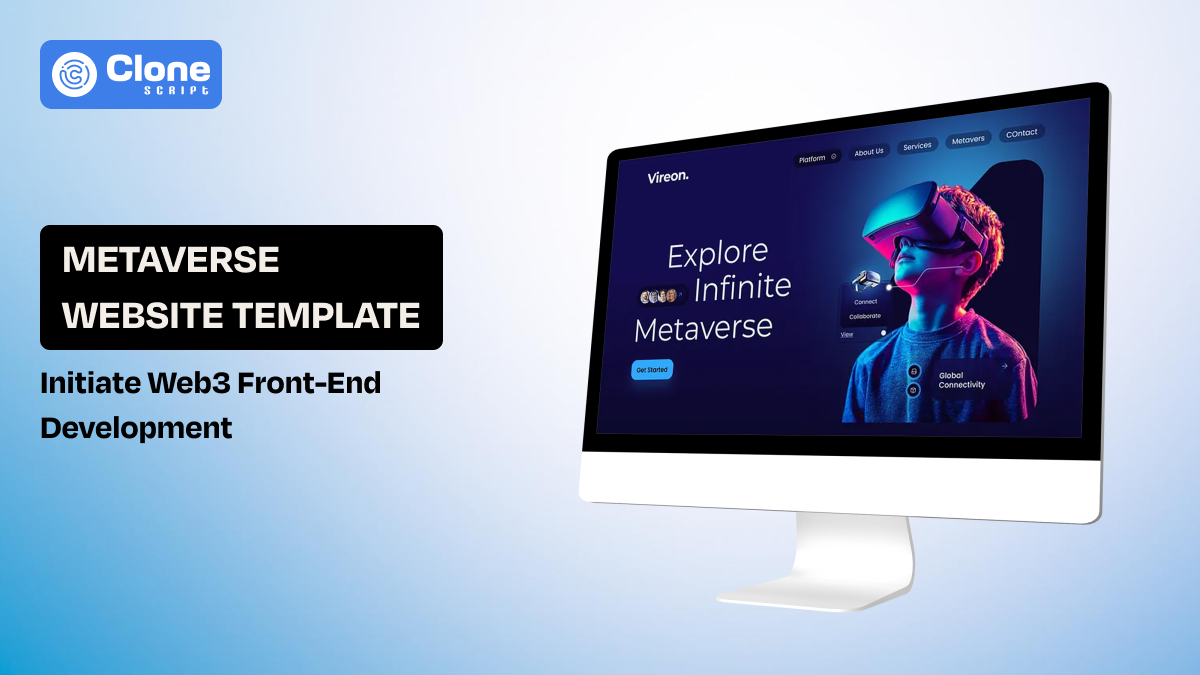
Metaverse Website Template: Start Web3 Front-end Development Smartly
The rise of Web3 has created a new category of businesses built around virtual worlds, NFTs, and blockchain ecosystems. These projects need websites that clearly present elements like tokenomics, digital assets, and community-driven platforms.
For many startups entering the metaverse space, custom website development can be expensive and time-intensive. Building the entire interface through full front-end website development, from UI design to responsive layouts and Web3-ready sections, increases both project cost and delivery time.
A metaverse website template offers a practical alternative. By starting with a ready-made structure designed for Web3 platforms, development teams can accelerate front-end development while maintaining professional design standards.
In this blog, we explore how metaverse website templates help development teams build Web3 client websites faster, what components they include, and how they can be customized for different metaverse business models.
Why Development Teams Use Metaverse Website Templates for Client Projects
It’s simple to save time on designing, facing fewer code issues, and optimizing the website for metaverse platform standards smartly.
Here’s why front-end-ready HTML5 templates are useful:
-
It allows faster front-end development.
Instead of designing every page layout from scratch, development teams can use a pre-built structure that already includes sections commonly required for Web3 projects. This includes areas for tokenomics, roadmap timelines, NFT collections, and project announcements.
-
It saves time on UI and layout planning.
Web3 platforms follow recognizable website structures because users expect to find certain information easily. Investors and community members typically look for details about token distribution, platform utility, team members, and future milestones. A template ensures these sections are already organized in a logical way.
-
It doesn’t come with such a thousand-dollar price tag.
Another reason development teams depend on templates is cost efficiency. Creating custom user interfaces for websites for every blockchain client project can increase development hours and design costs. By starting with a ready-made structure, agencies can allocate more resources toward important tasks such as smart contract integration, wallet connectivity, or platform functionality.
-
HTML templates optimized for workflow consistency improvement.
Development teams managing multiple Web3 projects. When a standardized template structure is used as a base, developers can repeat the same development process across different client websites while still customizing branding, colors, and content.
For agencies building websites for NFT platforms, crypto launchpads, or metaverse startups, a well-designed template acts as a foundation for scalable development. It allows teams to deliver professional Web3 websites faster and maintain flexibility for client-specific features and integrations.
Core Components Development Teams Expect in a Metaverse Website Template
The template must include structural components that support Web3 platforms, investor communication, and community interaction. These components simplify front-end development by providing ready-made sections that can be customized for different blockchain projects.
Below are the key elements developers typically expect in a well-structured metaverse website template.
-
Hero Section for Project Introduction
The hero section on the website acts as the main entry point of a metaverse website. It usually highlights the project vision, core platform concept, and a strong call-to-action. Development teams customize this area with animated graphics, token launch announcements, or NFT previews to quickly communicate the project’s purpose.
-
Tokenomics Presentation
Tokenomics is a central part of most blockchain businesses. A good template includes visual layouts for displaying token distribution, supply allocation, and ecosystem utility. It becomes easy to replace placeholder charts with real project data, helping investors understand the token structure clearly.
-
Project Roadmap Layout
Web3 users want to know how the project will evolve. Website templates usually include timeline-based roadmap sections that highlight development phases, upcoming features, and launch milestones.
-
NFT or Digital Asset Showcase
Many metaverse businesses involve NFT collections or digital assets. With grid-style galleries or card layouts designed in a template displaying NFTs, characters, or virtual items. Development teams can quickly customize these sections to showcase the platform’s assets.
-
Launchpad or Token Sale Sections
For projects planning token launches, templates frequently include layouts for presenting IDO or INO events. These sections may feature countdown timers, project summaries, and participation information. Having these components ready simplifies the front-end structure of launchpad websites.
-
Community and Social Integration
Community engagement plays a major role in Web3 ecosystems. Dedicated areas linking to platforms such as Discord, Telegram, and social media channels are available for development.
-
Team and Partner Sections
A metaverse website template includes structured layouts for introducing team members, advisors, and strategic partners. These sections help build credibility and trust among investors and early users.
Key Pages Required in a Metaverse Business Website
When development teams build a website for a metaverse or Web3 startup, structuring the right pages is critical. A well-organized website helps visitors quickly understand the platform, explore its ecosystem, and learn how to participate. A metaverse website template with UI design and source code usually includes these essential pages.
-
Homepage
The homepage acts as the central introduction to the platform. It highlights the project concept, key features, and important announcements such as token launches or NFT releases.
-
Platform Overview
This page explains how the metaverse platform works. It may describe virtual environments, the blockchain technology used, and the core utilities offered to users within the ecosystem.
-
Tokenomics
Tokenomics pages provide detailed information about token supply, allocation, and distribution models. Investors rely on this section to understand how the token functions within the platform’s economy.
-
Roadmap
The roadmap presents development milestones and upcoming releases. It helps users track the progress of the project and understand the long-term vision.
-
Community and Contact
Web3 platforms depend heavily on community participation. This page connects users to social channels, support teams, and communication platforms where they can engage with the project.
Technical Factors Development Teams Should Evaluate in a Metaverse Website Template
A technically well-built template can significantly simplify front-end development and reduce long-term project complications.
-
Clean and Structured Front-End Code
One of the first things developers evaluate is the quality of the HTML, CSS, and JavaScript structure. Clean code with clear file organization makes it easier for development teams to modify layouts, add UI components, and integrate new features without breaking existing functionality.
-
Responsive and Mobile-Optimized Layout
Web3 audiences access websites from different devices, including mobile wallets and tablets. A well-built template should include fully responsive layouts that adapt smoothly to various screen sizes, ensuring a consistent user experience across devices.
-
Compatibility With Web3 Libraries
Metaverse platforms require wallet connections and blockchain interaction. Templates should be flexible enough to integrate with Web3 libraries such as wallet connectors, blockchain APIs, or smart contract interfaces during development.
-
Performance Optimization
Heavy animations or poorly optimized assets can slow down a website. Development teams should ensure the template supports optimized images, lightweight scripts, and fast loading speeds to maintain good user experience and SEO performance.
-
Scalable Component Structure
A modular component structure allows developers to reuse sections across pages and add new features without rebuilding layouts. This scalability is important when a metaverse platform expands with additional services or integrations.
Technical Stack Typically Used in Metaverse Website Templates
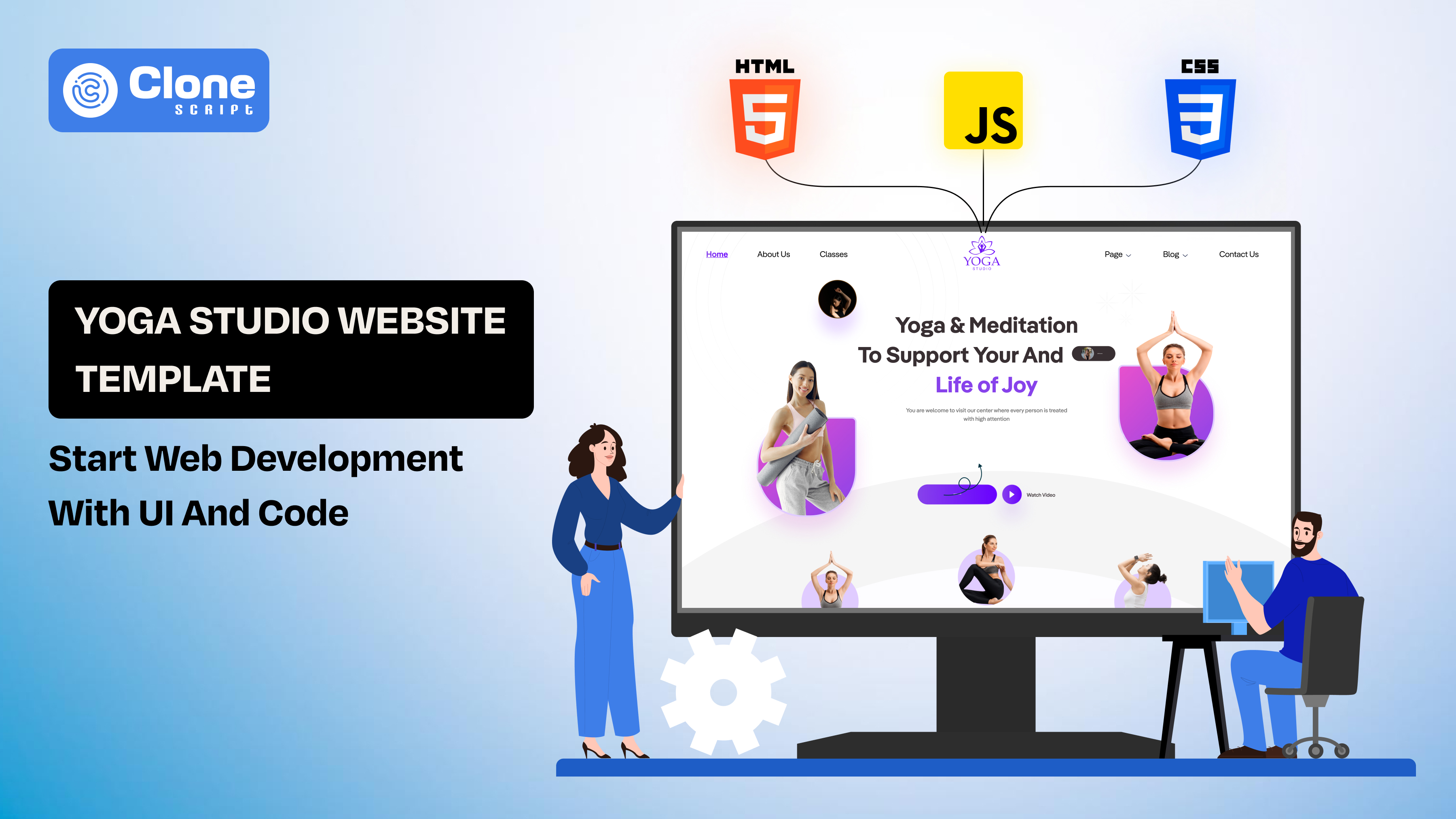
For development teams, understanding the technical stack behind a metaverse website template is important before starting customization or integration work. Most modern templates are built using front-end technologies that support responsive design, modular components, and compatibility with Web3 services.
Below are the common technologies typically used in these templates.
Image 4
-
Front-end Technologies
The foundation of most metaverse website templates begins with core front-end development tools. HTML5 is used to structure the layout and organize sections such as hero banners, NFT showcases, tokenomics charts, and roadmap timelines.
Styling is handled through CSS3 or SCSS, which helps create modern visual elements, animations, and responsive layouts. Frameworks such as Bootstrap and Tailwind CSS are often included to simplify grid systems, reusable UI components, and mobile-friendly design.
-
JavaScript Frameworks
For more dynamic interfaces, templates may support integration with frameworks like React, Vue, or Next.js. These frameworks allow development teams to build interactive user experiences and scalable components, which are particularly useful for platforms that display real-time blockchain data or dynamic project listings.
-
Web3 Integration Libraries
When connecting the website interface with blockchain networks, developers commonly rely on libraries such as Web3.js and Ethers.js. These tools enable the front-end to communicate with smart contracts, retrieve blockchain data, and manage decentralized interactions.
-
Wallet Connectivity
Web3 platforms require users to authenticate through crypto wallets instead of traditional login systems. Templates are usually designed to support wallet integrations such as MetaMask and WalletConnect. It indicates to users to connect their wallets and interact with the platform securely.
How Development Teams Customize a Metaverse Website Template for Client Projects
After selecting a suitable metaverse website template, development teams begin adapting it to match the client’s platform, branding, and Web3 functionality. Customizing a website template ensures the website accurately represents the metaverse project and supports its ecosystem.
A systematic customization approach helps developers transform a generic template into a fully branded and functional Web3 platform website.
-
Brand Identity and Design Customization
The first step focuses on aligning the template with the client’s visual identity. Update the color palette, typography, icons, and imagery to match the project’s brand guidelines. In many metaverse platforms, this stage also includes adding futuristic graphics, animated backgrounds, or 3D elements that reflect the project’s digital environment.
-
Platform Content Implementation
Templates often include placeholder sections designed for Web3 projects. Replace this content with actual project information, such as token utility, ecosystem benefits, project vision, and roadmap milestones. Structuring this information clearly helps visitors quickly understand the platform and its value.
-
Custom Interface Components
Some client projects require additional interface components beyond the default template sections. You may expand the front-end with NFT showcase grids, token sale dashboards, or ecosystem feature highlights. These adjustments ensure the website accurately represents the platform’s services.
-
Web3 and Wallet Integration
The final stage involves connecting the website with blockchain functionality. Developers may integrate wallet authentication, token interaction features, or smart contract connections depending on the platform’s requirements. This step transforms the template from a static interface into an interactive Web3 website.
When to Use a Metaverse Website Template Instead of Custom Development
For development teams, choosing between a metaverse website template and full custom development depends on the project’s goals, complexity, and available resources.
Below are situations where using a template is usually the most practical option.
-
The client needs a launchpad or token website.
Many Web3 startups require websites for IDO, INO, or token launch platforms. These projects typically follow standard structures such as tokenomics pages, roadmap timelines, and community sections. A HTML5 and Tailwind CSS website template already includes these layouts, meaning developers can deploy the website much faster.
-
The project timeline is short.
Some startups need their website ready before marketing campaigns, community announcements, or token launches. Starting with a source code-ready template helps development teams reduce design and coding time while still delivering a professional interface.
-
Budget constraints exist.
Early-stage metaverse startups operate with limited budgets. Instead of investing heavily in custom UI design and development, costing around $10k to $50k, using a template allows them to launch a functional website, controlling costs.
-
The platform uses standard web3 features.
If the project primarily needs common elements such as token information, NFT showcases, and community integration, a template structure can easily support these requirements with minimal customization.
However, there are situations where custom website development becomes a better approach.
-
It requires unique blockchain mechanics.
Platforms introducing innovative token systems, complex smart contract interactions, or custom blockchain protocols may require a fully tailored interface. Here, the website template can not be useful.
-
A fully interactive metaverse environment is preferable.
Some projects aim to deliver immersive virtual worlds or 3D digital environments directly through the website. These experiences often require specialized front-end frameworks and custom architecture. For example, React UI frameworks help in development with a ready-to-use design structure.
-
Gaming or Real-Time Interactive Platforms
Web3 gaming platforms or interactive metaverse ecosystems typically need dynamic interfaces, advanced user interaction systems, and real-time data rendering. These features usually go beyond the capabilities of a standard template.
Web3 IDO / INO Metaverse HTML5 Website Template
For agencies building websites for blockchain startups, a Web3 IDO / INO metaverse website template provides a ready front-end foundation to launch token-focused platforms without building every interface component from scratch.
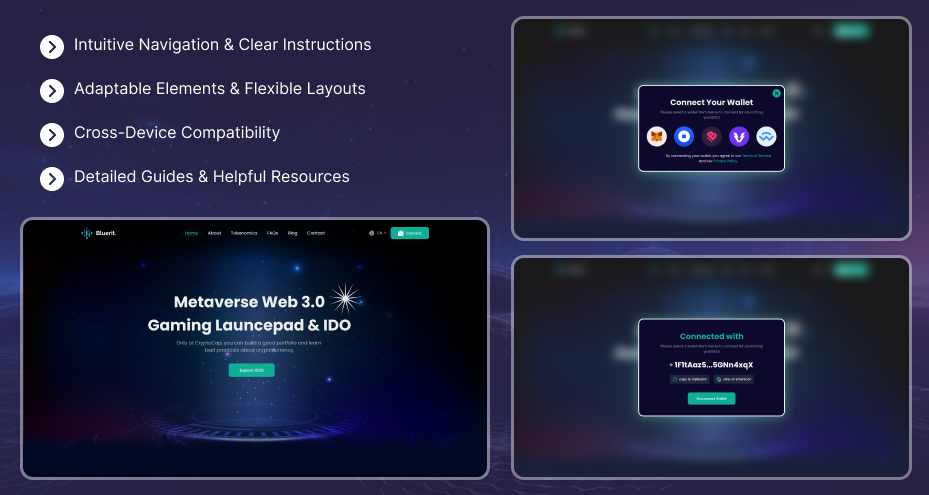
What this landing page template contains
-
Launchpad-oriented homepage structure designed for Web3 project announcements
-
Token sale presentation sections explaining IDO or INO participation details
-
Tokenomics visualization blocks showing allocation, supply, and ecosystem usage
-
Roadmap timeline components presenting upcoming platform milestones
-
NFT showcase layouts for displaying metaverse assets or digital collections
-
Team and partner introduction areas to build credibility for blockchain startups
-
Responsive design framework supporting faster front-end development and easier customization for client projects
Conclusion
Metaverse website templates can help development teams build Web3 client websites faster while reducing front-end development effort. But the real question is: does your next blockchain project need full custom development or a smarter template start? The choice is yours.